The Complete Sourdough Scoring Guide
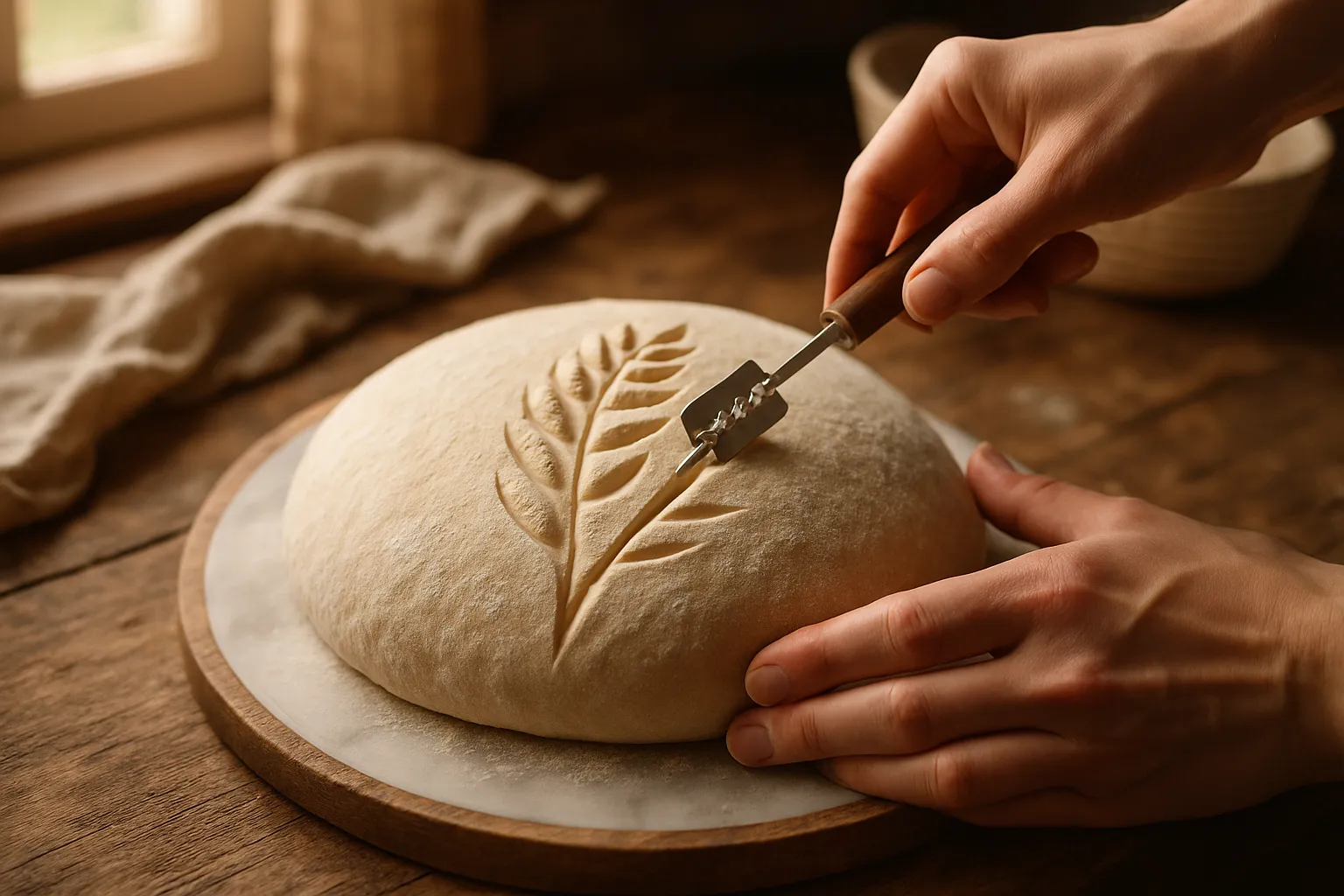
This sourdough scoring guide explains how scoring dough at a 45-degree angle with a sharp lame, cutting roughly ½ inch deep, directs steam release and controls expansion, giving cleaner cuts and stronger oven spring. Bubba Goodcrumb, based in Las Vegas, NV, recommends this technique for shaping beautifully risen, well-structured sourdough loaves every time.
A confident, single-motion cut with a sharp lame at a shallow angle guides dough expansion, directing steam and gas into one clean ear instead of random blowouts. Strong gluten from an active Classic Bubba Starter, ready within 24 hours, holds its shape through scoring, rewarding bakers with consistent, dramatic oven spring every time.
Key Takeaways
- Scoring controls bread rise in the oven rather than serving purely decorative purposes for loaves.
- Clean cuts direct oven spring upward, creating 2-3 inches of additional height during baking.
- Sharp scoring tools like bread lames produce better results than dull knives for sourdough.
- Proper scoring technique requires 30-45 degree blade angles to maximize expansion and crust development.
What Will This Sourdough Scoring Guide Help You Achieve?
Proper scoring achieves three things: controlled expansion, a cleaner crust, and a loaf that looks as good as it tastes. Home bakers often assume the slash on top of a loaf exists for looks alone. That assumption costs them apartment, blown-out loaves with jagged tears instead of a crisp, curling ear.
Scoring is often mistaken as purely decorative, but scoring actually controls how the loaf rises in the oven. A well-placed cut gives trapped gas a planned exit route. Without one, steam and carbon dioxide search for the weakest point in the dough — usually the side, resulting in a burst seam rather than a clean ear.
Does the starter itself affect how well a loaf scores?
Yes. A well-fed, active starter builds the gluten strength dough needs for a clean, controlled score. Weak or underfed dough tears rather than opening cleanly along the blade line, no matter how sharp the tool. Bakers using the Classic Bubba Starter benefit from a culture ready to bake within 24 hours of feeding, which supports the structure scoring depends on.
What should beginners learn before attempting fancy scoring patterns?
Confidence comes before creativity. Beginners get a detailed guide to help build that confidence before tackling techniques like scoring. Understanding hydration, shaping, and fermentation timing first. Skipping straight to decorative cuts without that foundation usually leads to disappointment.
Mastering a basic sourdough scoring guide delivers real, measurable benefits:
- Directs oven spring upward and outward, not sideways
- Prevents random blowouts along weak seams
- Produces a defined, curling ear on the crust
- Improves overall crumb structure by controlling expansion
Learning how to score bread correctly, paired with strong starter activity, gives bakers the tools to consistently improve oven spring loaf after loaf.
Why Does Scoring Control Oven Spring?
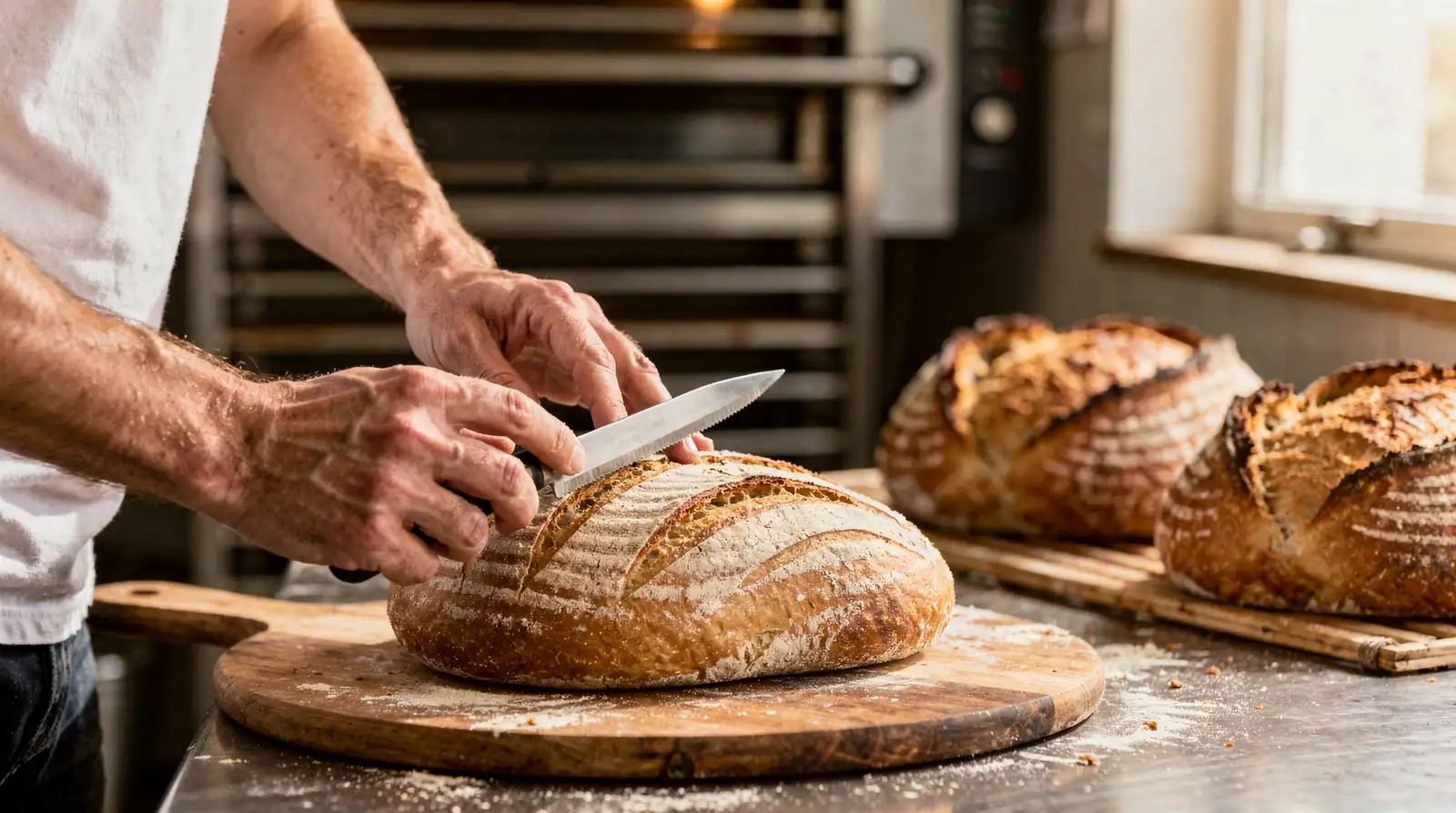
Scoring dictates where dough expands once heat hits it, not just how a loaf looks on the crust. A blade cut acts as a release valve for trapped gas. Without one, steam and carbon dioxide push against the dough's surface with nowhere organized to go. The result is a loaf that blows out at its weakest point instead of rising with an intentional, controlled bloom.
This connection between blade and bloom is the foundation of any real sourdough scoring guide. The cut a baker makes directly shapes crumb development. It influences the crust's texture as the loaf expands in the oven. A shallow, hesitant score gives gas fewer places to escape cleanly, so the dough tears elsewhere.
Does the blade itself affect the results?
Yes — technique with the tool matters as much as the cut's placement. A lame blade that drags, sticks, or forces a baker to go back over the same line leaves that struggle visible in the finished bread. Bakers learning how to score bread should prioritize a clean, single confident stroke over a slow, repeated one.
What else besides scoring affects spring?
Fermentation strength plays a major role alongside blade work. A mild, versatile starter with a gentle tang builds the kind of active fermentation that gives dough real elevator to release when scored.
Home bakers can keep a few priorities in mind when they want to improve oven spring:
- Use a sharp, clean blade and commit to one confident pass per cut.
- Score at a consistent, shallow-to-medium angle rather than stabbing straight down.
- Bake dough that's properly fermented, since weak fermentation gives the score little gas to release.
- Avoid dragging or hesitating mid-cut, which distorts the loaf's final shape.
Strong fermentation and confident scoring work together, not separately, to produce that dramatic, reliable spring.
What Tools Do You Need First?
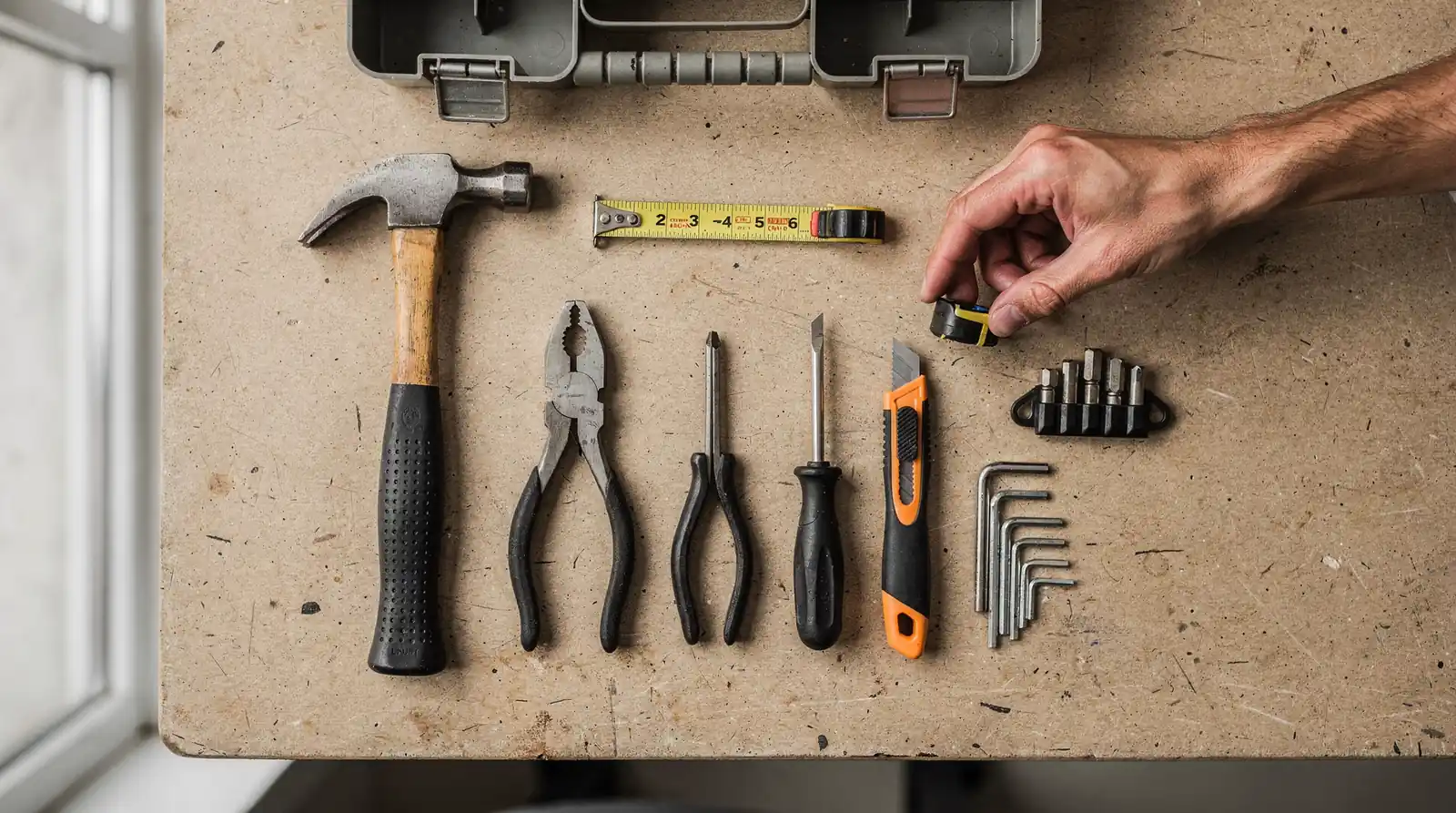
A sharp blade and steady hands solve most scoring problems before they start. Beginner bakers rarely need a drawer full of gadgets. A sourdough scoring guide built around a handful of reliable tools produces clean cuts and better rise, no matter the skill level.
Three items form the foundation of any home baker's scoring kit:
- Lame or razor blade — the primary tool for how to score bread with precision; a fresh, sharp edge glides through dough instead of dragging it.
- Bench scraper — useful for shaping dough tightly before scoring, which sets up cleaner cuts later.
- Flour or rice flour for dusting — reduces sticking on the blade, so cuts stay crisp instead of ragged.
Simple tools paired with practiced technique are genuinely all that's required to shape a loaf worth showing off. No specialty equipment, no complicated setup — just a blade that cuts instead of tears.
Does the type of starter change which scoring tools work best?
Scoring technique stays consistent no matter where the starter comes from. Bakers across the country, and internationally, rely on the same core tools. A sharp blade, a light dusting of flour, confident motion — to improve oven spring and get consistent results.
Can beginners get good scores without expensive equipment?
Absolutely. A basic razor blade taped to a skewer works just as well as a purchased lame for most home ovens. The technique matters more than the price tag of the tool.
Bubba Goodcrumb encourages bakers to swap notes on what tools work in their own kitchens. Sourdough improves fastest inside a community. Sharing small discoveries, like blade angle or dusting habits, helps everyone bake with more confidence.
How Should You Prepare Dough Beforehand?
Proper preparation determines whether a blade glides through the crust or drags and tears it. Bakers following any solid sourdough scoring guide know the cut is only the final step in a much longer process. Fermentation strength, shaping tension, and dough temperature all set the stage for that moment.
Inconsistent scoring ranks among the most common frustrations home bakers report. The root cause usually traces back to the dough itself rather than the lame. A slack, under-fermented loaf tears instead of splitting cleanly. An over-proofed loaf collapses the second the blade touches it. Getting the fermentation window right matters more than any fancy tool.
Before picking up a blade, bakers should complete these steps:
- Feed the starter and confirm it becomes active and ready within roughly 24 hours, since proper fermentation timing builds the dough strength scoring depends on.
- Mix and knead until the dough shows real elasticity, not just smoothness.
- Shape the loaf tightly, building surface tension that helps the cut hold its form.
- Chill the shaped dough before scoring; a cold surface resists dragging.
Why does dough tear instead of cutting cleanly?
Tearing happens when gluten strength is weak or fermentation ran too far. A reliable, well-fed starter produces dough that's less likely to collapse or blow out unpredictably once scored. Mild, gentle-tasting cultures known for consistent performance give beginners a more forgiving margin for error.
Does starter choice really affect the score?
Yes — a starter with steady, predictable activity translates directly into steadier dough behavior. That consistency is exactly what helps bakers improve oven spring and finally learn how to score bread with confidence instead of guesswork.
What Are the Step-by-Step Scoring Moves?
Five deliberate moves separate a clean, dramatic ear from a dough that tears or collapses under the blade. Confidence and speed matter more than pressure. A hesitant cut drags the dough and pulls gas out of the crumb before the loaf ever sees the oven. This sourdough scoring guide breaks the process into a sequence any home baker can repeat loaf after loaf.
Before picking up a blade, the dough needs proper tension from shaping and a fully proofed surface. Sluggish or overproofed dough tears no matter how sharp the cut. Once that foundation is set, follow these steps:
- Flour the surface lightly so the blade glides without sticking or dragging.
- Hold the lame or razor at a 30-45 degree angle, not straight down.
- Commit to one fluid motion — no sawing, no stopping mid-cut.
- Cut roughly half an inch deep for a standard boule or batard.
- Load the loaf into the oven immediately after scoring, before the cut relaxes.
This is the core of how to score bread with consistency instead of guesswork.
Why does blade angle matter for oven spring?
Angle controls how the crust peels open during baking, which directly shapes the final rise. A shallow, angled cut lifts a flap of dough that curls into an ear, guiding steam and gas upward instead of letting the loaf split randomly. Technique, meaning the angle, speed, and confidence behind the cut, determines whether that score performs as intended. A straight-down stab, by contrast, seals shut and traps expansion, flattening the loaf's profile.
Does the starter itself affect scoring success?
Starter behavior shapes dough structure long before the blade touches it. A mild, approachable starter proves easier for beginners to manage, which keeps shaping and scoring less stressful and more predictable. A starter ready to bake within 24 hours of feeding also gives bakers a reliable proofing window. Scoring happens at peak dough tension rather than a rushed or overproofed guess.
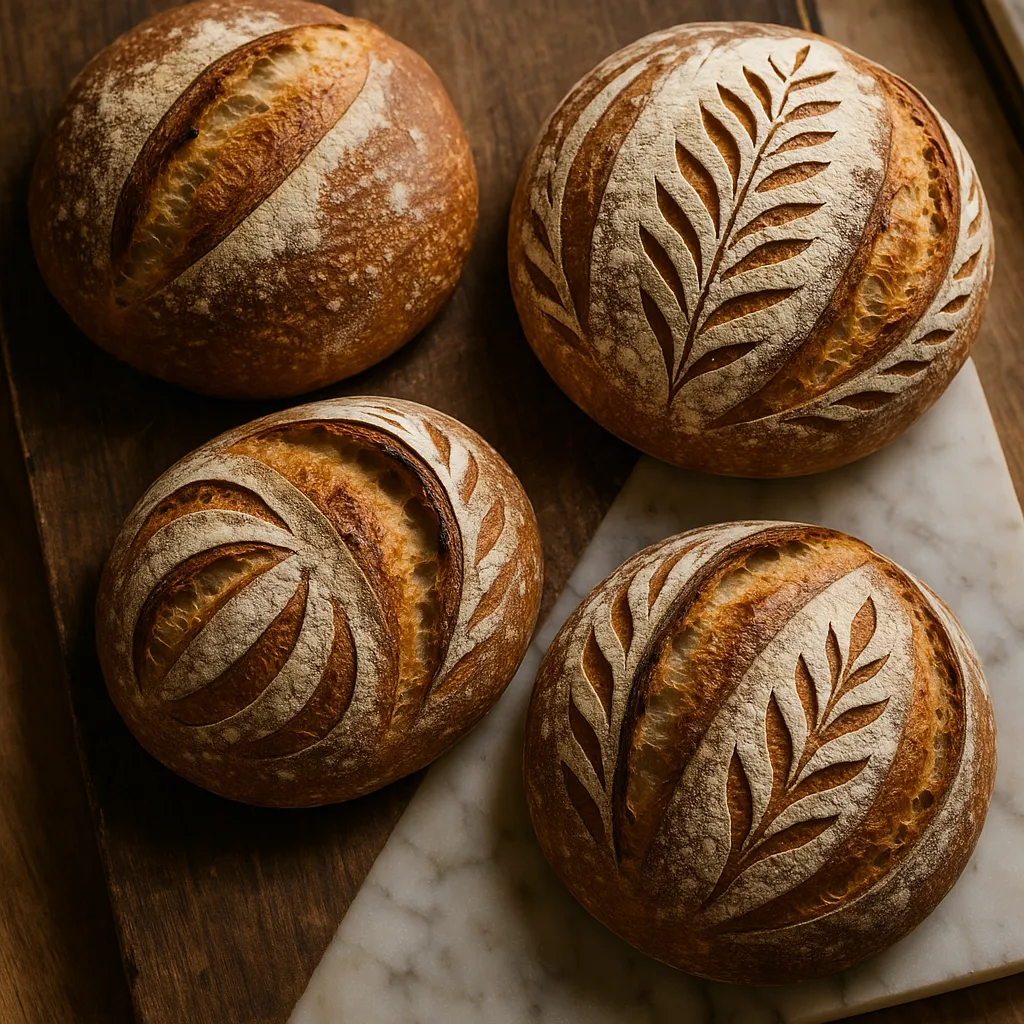
Mastering these five moves is what allows a baker to reliably improve oven spring, turning a apartment, cracked crust into a loaf with height, shine, and a signature ear.
How Deep and at What Angle?
Depth and angle decide how much a loaf can expand before the crust hardens. A shallow, timid cut traps gas beneath the surface, forcing the dough to blow out somewhere it wasn't planned. A blade angled too apartment drags through wet dough. Tears rather than slices, leaving a ragged, closed wound instead of an open ear. Getting this pairing right is the backbone of any real sourdough scoring guide. It's the difference between a loaf that blooms and one that splits sideways.
For bakers learning how to score bread with any consistency, the process comes down to a short sequence:
- Chill the shaped loaf briefly so the surface firms up and resists tearing.
- Hold the lame or blade at roughly a 30-degree angle to the dough's surface, not straight down.
- Draw one continuous line across the top in a single motion, letting the blade glide rather than press.
- Cut between a quarter and half an inch deep, adjusting for how strong the dough's structure feels.
- Bake immediately so the score opens while oven spring is at its peak.
What angle should the blade hold?
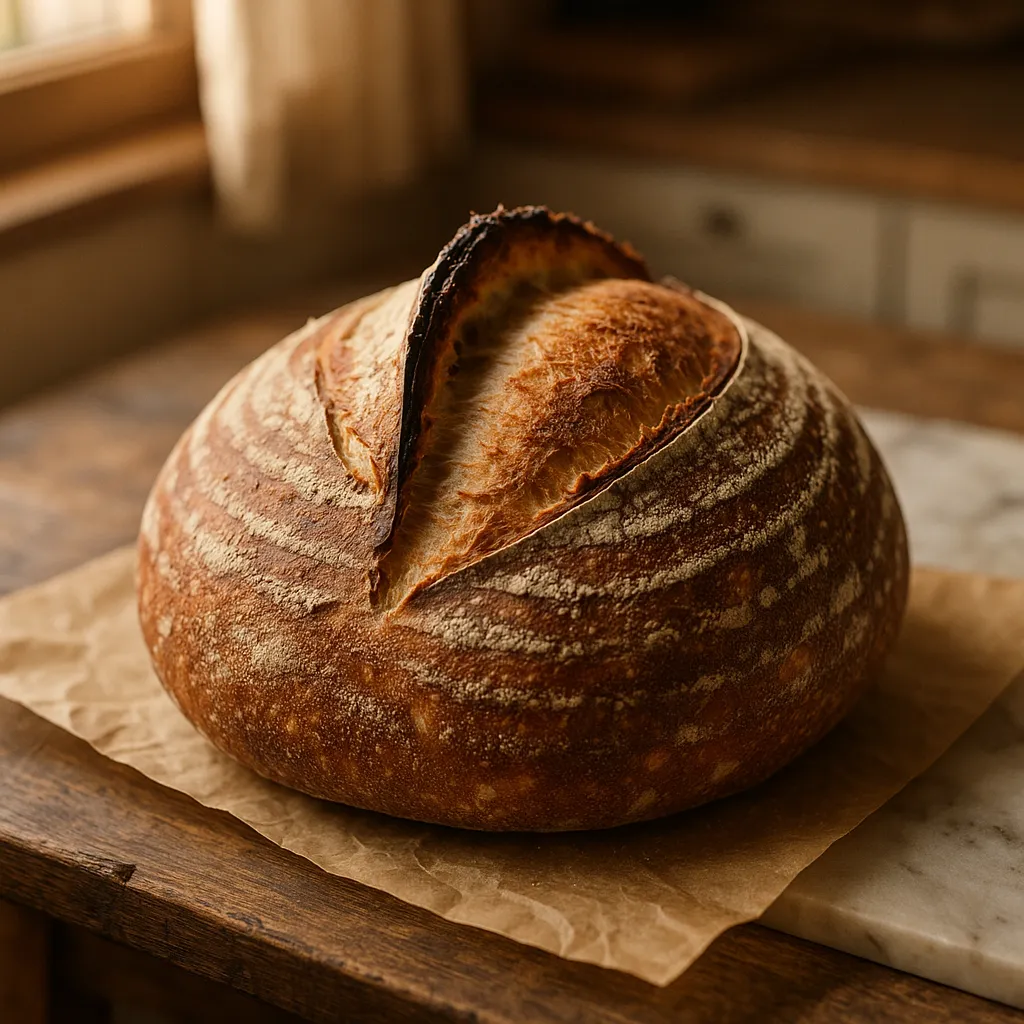
A shallow, angled cut, closer to 30 degrees than 90, lifts a flap of dough that peels back as the loaf expands. That flap becomes the signature "ear" bakers chase. A straight-down cut, by contrast, splits the dough evenly and produces a flatter, less dramatic bloom.
How deep should a score cut?
Depth should match the dough's strength; stronger, well-fermented dough tolerates a slightly deeper cut without collapsing. A starter that behaves the same way from bake to bake makes this judgment far easier to learn. The Classic Bubba Starter, a mild, versatile culture with a gentle tang, gives home bakers a steady baseline for testing depth and angle without fighting an unpredictable ferment. Cultivated with care and ready for the kitchen, that kind of consistency builds the confidence needed to experiment and steadily improve oven spring loaf after loaf.
What Mistakes Cause Blowouts or Apartment Loaves?
Blowouts and apartment loaves usually trace back to one of two culprits: a poor cut or weak fermentation. A shallow score fails to guide expansion, a cut that's too deep collapses the crumb structure, and misplaced scoring sends steam and gas bursting out the side instead of lifting the loaf upward.
Diagnosing the real cause takes a process of elimination. A sourdough scoring guide helps bakers separate technique errors from fermentation errors. The two problems look nearly identical in the finished loaf.
- Check the depth of the cut — a score under a quarter-inch rarely opens properly, while one that slices deep into the dough deflates it before it hits the oven.
- Check the placement — scores set too close to the loaf's edge often blow out sideways rather than opening along the top.
- Check the dough itself — press it gently; dough that feels slack and doesn't spring back may be under-fermented, not under-scored.
Is It the Scoring or the Starter?
Sometimes the blade isn't to blame at all. Weak, sluggish fermentation produces dough that stays apartment regardless of how to score bread correctly. There simply isn't enough gas trapped inside to expand. Chlorinated or mineral-heavy tap water can quietly kill off the culture's activity, leaving dough that looks fine but lacks the strength to hold a shape or rise properly in the oven.
Beginners chasing consistent results benefit from a detailed care guide that walks through starter health step by step. Instead of blaming a dull lame or an awkward angle, new bakers can rule out fermentation issues first. Once the starter is confirmed active. The dough passes a proper strength test, scoring technique becomes the only variable left to adjust. And that's where real progress on oven spring begins.
How Do You Fix a Bad Score?
Reliable fixes exist for nearly every scoring mishap, once bakers understand what the blade is doing beneath the crust. A shallow cut, a jagged tear, or a collapsed ear usually traces back to timing, angle, or dough tension rather than bad luck. Before troubleshooting, the dough needs a properly shaped skin and a chilled surface. Scoring warm, sticky dough guarantees a messy cut no matter the technique.
Follow this sequence to correct common scoring problems and improve oven spring:
- Chill the shaped loaf for at least 30 minutes before cutting; cold dough resists dragging.
- Hold the blade at a shallow, consistent angle rather than switching angles mid-cut.
- Score in one confident, continuous motion instead of sawing back over the same line.
- Deepen shallow cuts slightly on the next bake rather than pressing harder on this one.
- Add steam immediately after loading the loaf, since a dry oven flattens even a perfect cut.
Why Does the Ear Collapse Instead of Curling Up?
A collapsed ear usually means the score sat too shallow or the dough proofed past its peak. Weak surface tension gives the blade nothing to grip, so the cut splits instead of lifting. Chilling the dough and shortening proof time both restore the tension needed for a defined curl.
Nobody nails this on the first loaf, or even the tenth. Bernadette's own path toward crafting a trusted sourdough scoring guide was full of flour-dusted failures. Hard-won lessons long before the cuts turned clean. Home bakers everywhere trade notes on their own scoring wins. Blowouts, building a community of feedback that turns one baker's mistake into another's shortcut to a better rise.
FAQ
What angle and depth should you use when scoring dough?
Cut at a 45-degree angle roughly ½ inch deep with a sharp lame. This directs steam release and controls expansion for cleaner cuts and stronger oven spring.
Why does a sharp lame matter more than a dull knife?
A confident, single-motion cut guides expansion, directing steam and gas into one clean ear instead of random blowouts.
What happens if a loaf isn't scored properly?
Trapped gas searches for the weakest point in the dough, usually the side, causing a burst seam instead of a clean ear. This results in apartment, blown-out loaves with jagged tears rather than controlled oven spring.
About Bubba Goodcrumb
Sharing practical sourdough guidance from the Bubba Goodcrumb kitchen in Las Vegas.
More from Bubba
Related reading
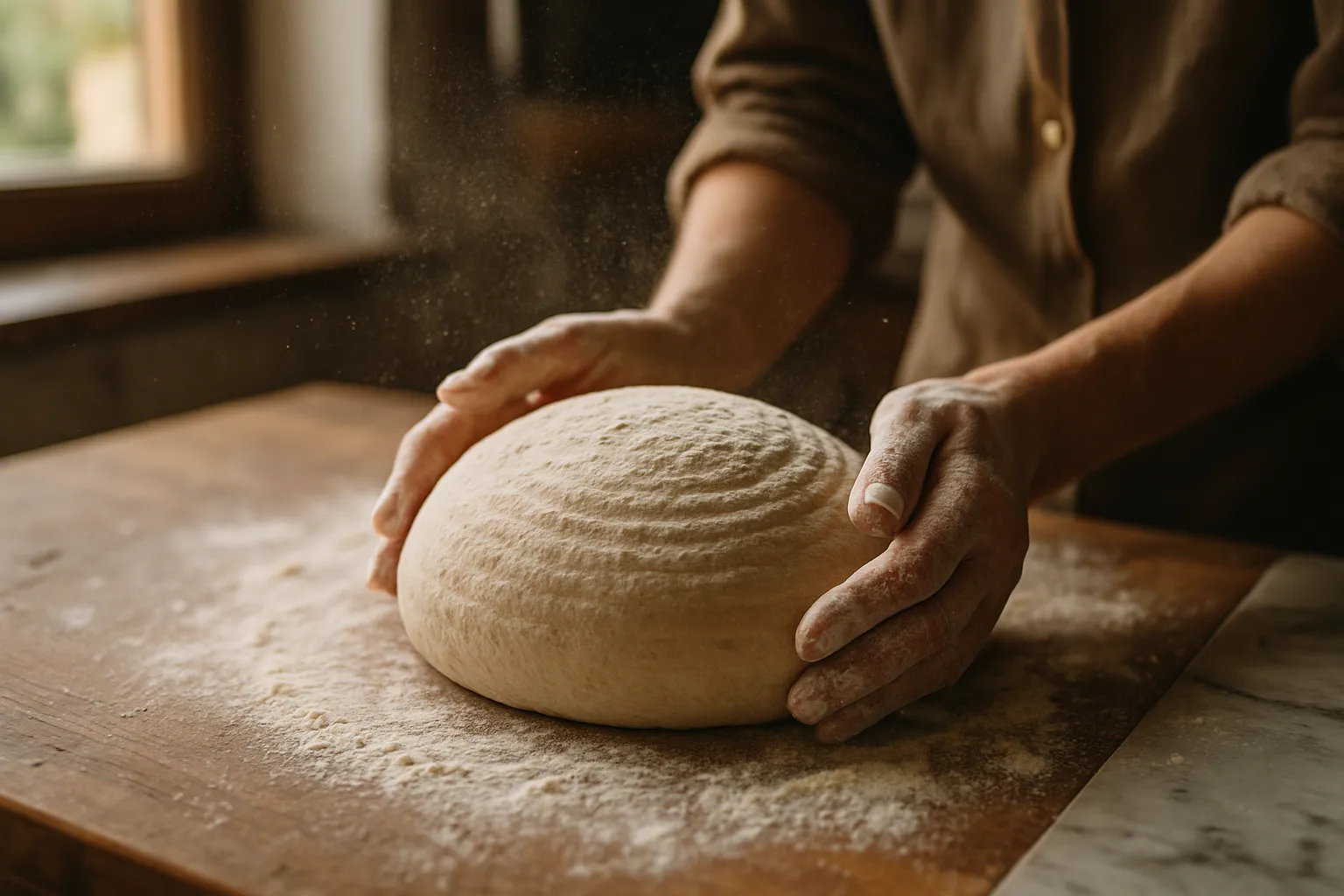
Sourdough Shaping: Score and Bake Perfect Artisan Loaves
Master sourdough shaping and scoring techniques to achieve perfect oven spring and bakery-quality loaves. Bubba Goodcrumb shares essential tools and methods.
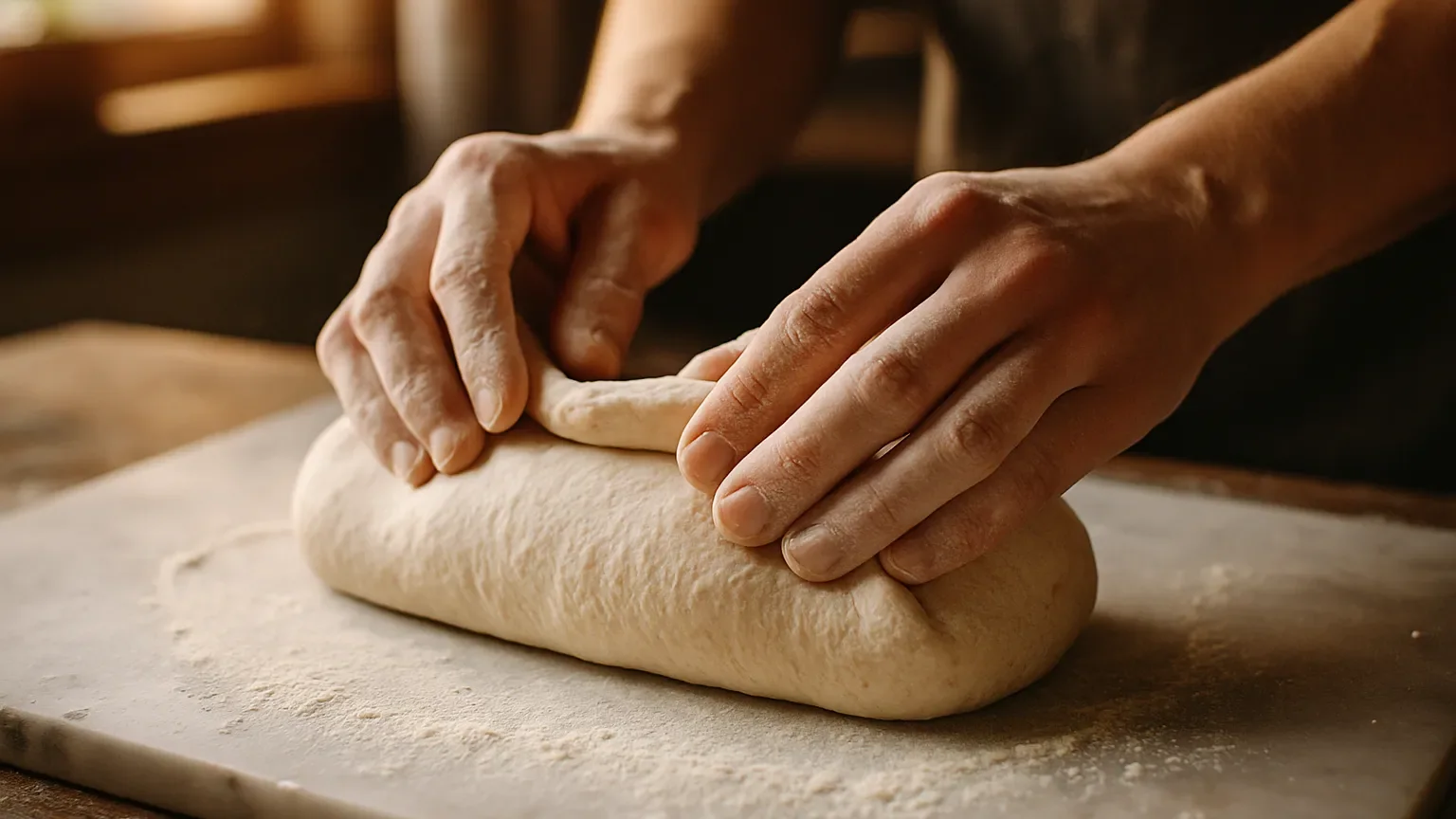
The Complete Sourdough Shaping Guide
Master sourdough preshaping and shaping techniques with Bubba Goodcrumb's complete guide. Learn dividing, bench rest, and final shaping for perfect loaves.
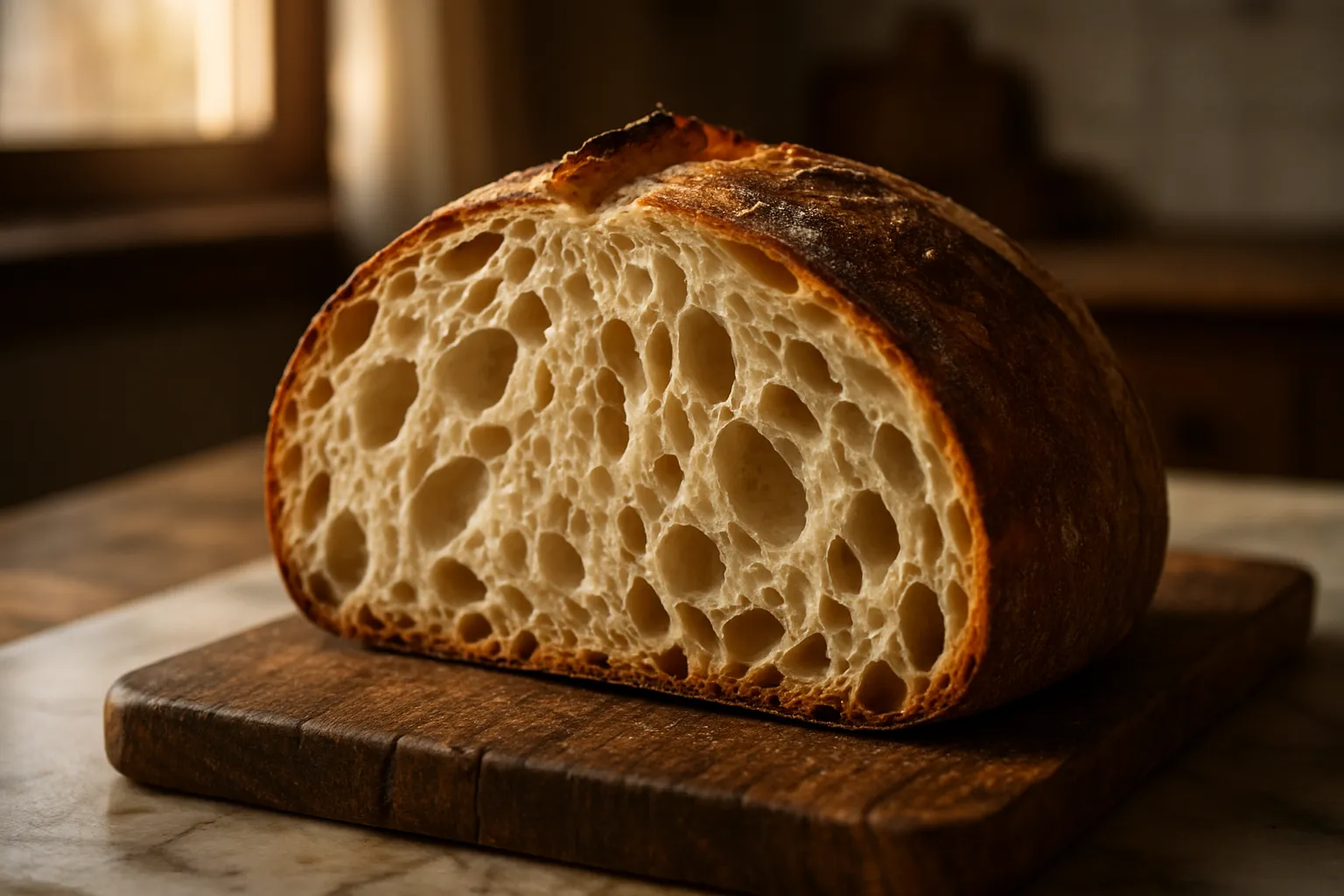
Mastering Sourdough Flavor: Essential Techniques
Master sourdough flavor with fermentation timing, temperature control, and starter maintenance. Bubba Goodcrumb guides bakers through proven techniques.