Top Sourdough Tools List for Beginners
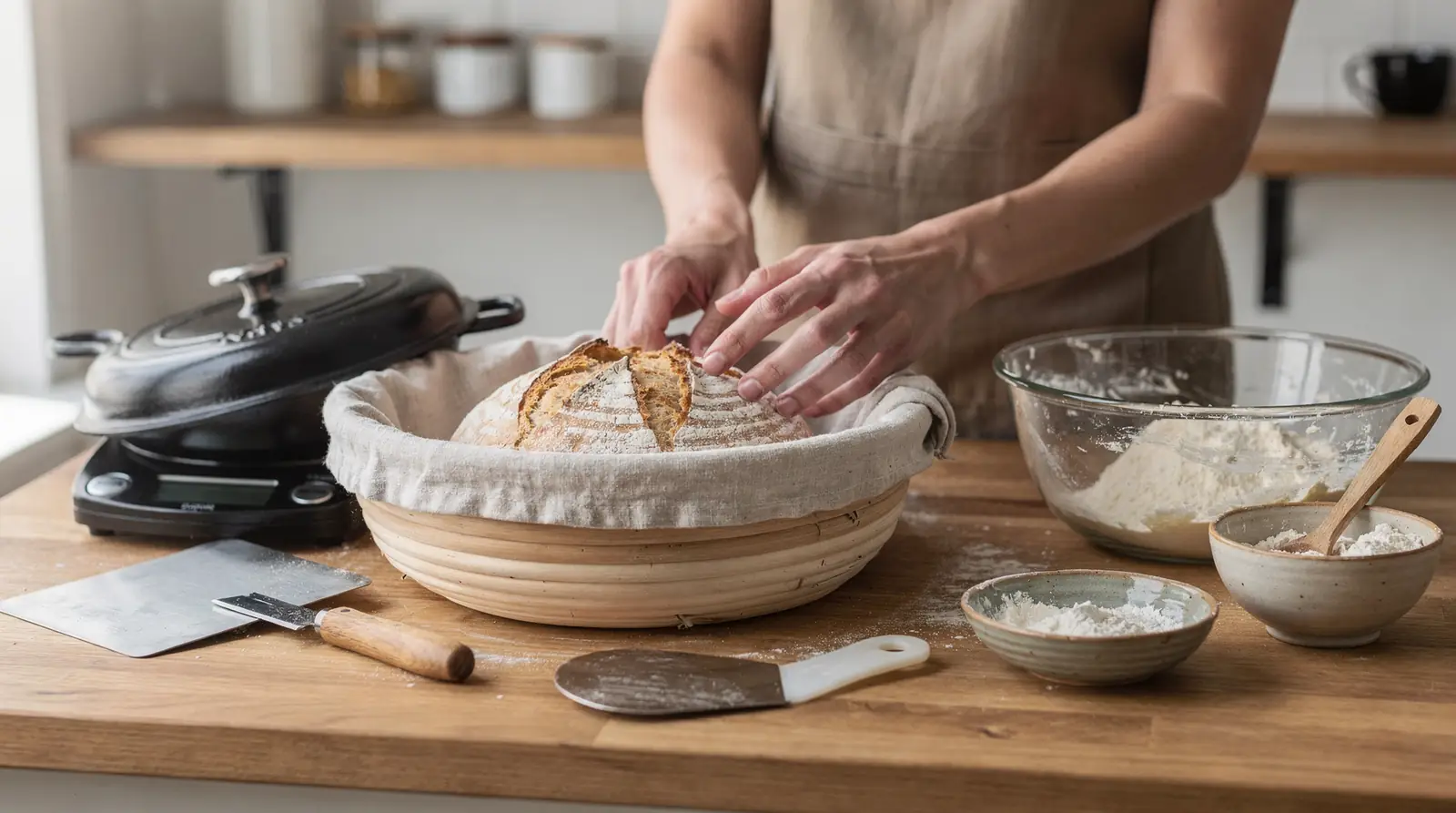
A first loaf can fail before it reaches the oven. Sticky dough spreads, the crust stays pale, and the bread feels heavy. This top sourdough tools list helps beginners choose simple gear without filling the kitchen with gadgets. A second bake becomes easier when the same basic tools stay ready, and each bread bake offers a clearer lesson. This bread routine makes sourdough baking less uncertain. Keep this top sourdough tools list nearby as your routine develops.
Start with a digital kitchen scale, a glass jar for the culture, a covered baking vessel, a bench scraper, and a lame for scoring. Bubba Goodcrumb's live starter cultures pair with these basics. An apron keeps flour off clothing during the first sourdough starter feeding. They help first-time bakers focus on hydration, fermentation timing, heat, and crust development. This top sourdough tools list puts those needs ahead of specialty gear and keeps each bread project manageable.
Key Takeaways
- Simple tools can produce crisp bread without a large budget.
- Brod & Taylor round baking shells suit many batard recipes.
- Reliable equipment supports steady results across repeated bakes.
- Budget-friendly substitutions often work as well as specialty gear.
- A healthy culture matters more than expensive equipment.
Essential Sourdough Tools Come First
A live, active culture belongs at the top of every beginner checklist. Tools matter less than bubbling flour, water, and wild yeast. Bernadette, the Las Vegas baker behind Bubba Goodcrumb, learned this through practice. Her breakthrough came from watching flour, water, and time inside the jar. A healthy sourdough starter gives sourdough baking a dependable beginning. Once the culture rises on a steady schedule, useful tools make work easier.
New bakers do not need a major investment. Many begin with a mixing bowl, wooden spoon, and tea towels. An apron helps keep that simple setup tidy. That setup can still make a good first loaf. A practical kit includes a kitchen scale, roomy bowl, bench scraper, clean tea towel, sharp blade, and a digital thermometer for checking dough or room conditions. A danish dough whisk and bench knife can also make mixing and handling easier.
- A kitchen scale for accurate flour and water measurements
- A roomy mixing bowl for dough that doubles in size
- A bowl scraper or bench scraper for sticky dough
- Clean tea towels or shower caps for covering rising dough
- A sharp blade for scoring bread
Buy the Scale and Bowl First
Beginners gain the most from a scale and dependable bowl. Precise measurements matter more than a specialty basket or lame. Consistent hydration builds confidence quickly. A weight-based routine also helps with bread, pizza dough, and other recipes. That approach makes sourdough easier to repeat.
Fancy Equipment Can Wait
Fancy equipment is not required for a respectable first loaf. Build a useful beginner set over time. Start with the culture, then add gear as skills grow. A digital scale, bowl, scraper, and towel can carry the first several bakes.
A Kitchen Scale Improves Every Bake
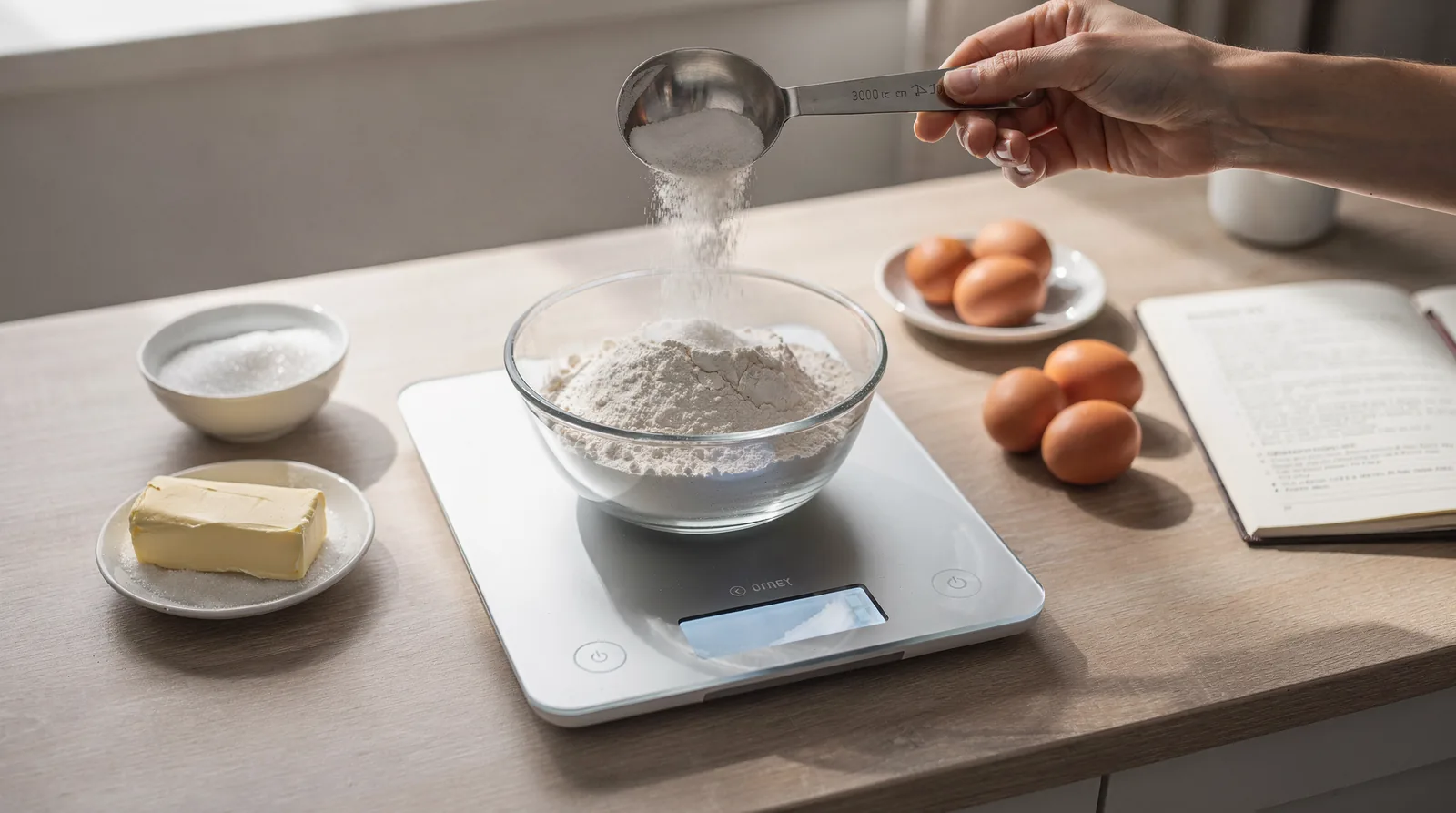
Precision separates a thriving culture from a disappointing one. A kitchen scale measures flour and water by weight, while volume scoops can change hydration from one bake to the next. Small changes affect dough strength and may starve or drown the wild yeast. A scale removes that variable and supports more even bread. That bread becomes easier to assess when measurements stay consistent. It also makes sourdough formulas easier to follow.
Weight-based measuring belongs among the essential tools for beginners. Cups of flour vary with each scoop, but a scale gives new bakers one less problem to solve. Seasoned bakers often add specialty items slowly, beginning with measuring gear before expanding the collection.
Choose a Useful Container
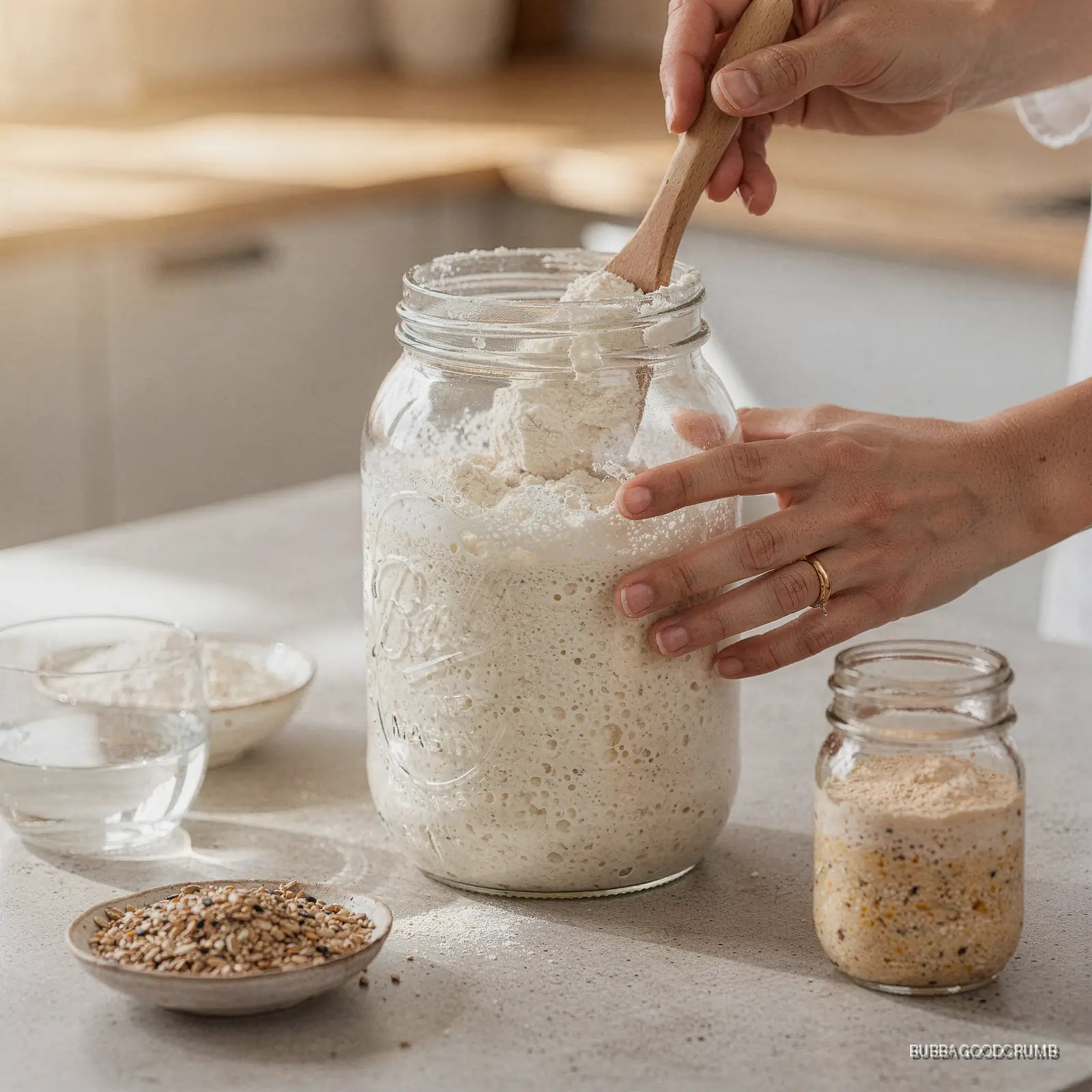
Glass jars with loose-fitting lids work well for most home bakers. A wide-mouth jar gives the culture room to rise and makes stirring easier. Glass, ceramic, and food-grade plastic can all support a healthy culture. A sourdough starter needs enough space to expand. Keep the sourdough starter loosely covered while it ferments. Filtered or dechlorinated water may help when fermentation stalls.
Do not seal a fermenting jar too tightly. Fermentation releases gas, and trapped pressure can crack glass. A cloth cover, loose lid, or shower caps used as a clean temporary cover offers a simple solution. A weck jar gives a clear view as the mixture rises, while an ambient thermometer helps explain changes near the work area. A second ambient thermometer can help compare the jar's location with the wider room. Learn more about the brand's story in Las Vegas.
Control Heat and Fermentation
A covered baking pot traps steam around the dough during the first stage of baking. A dutch oven provides that covered environment, while a combo cooker offers another format. That moisture helps the dough expand before the crust sets, supporting oven spring and a crisp, browned crust. A bowl lined with a tea towel can replace a specialty rising vessel. Proofing becomes easier to judge when the dough's volume changes are visible. A banneton basket is useful when regular baking makes shaping harder, but it is not essential.
Watch bulk fermentation rather than relying only on the clock. During bulk ferment, the dough should gain strength and volume before shaping. A boule needs a smooth, tightened surface, and another boule may need a different shaping touch, while levain recipes may call for different timing and flour choices. Let the sourdough culture's activity, dough temperature, and room conditions guide the bake.
Keep a bread box ready once the loaf has cooled completely. A serrated bread knife makes clean slices without pressing down on the crumb. Oven gloves protect hands when moving hot cookware, steel, or trays. Use rice flour lightly when dough sticks, and avoid adding so much that the loaf becomes dry. A second dutch oven can be useful when alternating between batches. Good bread also depends on letting the loaf cool before slicing.
Shape and Score with Simple Tools
A bench scraper controls sticky dough, while a scoring lame directs where the loaf opens. A razor blade gives the lame a clean edge for a deliberate cut. Shaping tools matter once the dough has enough strength to hold its form. For a top sourdough tools list, the scraper earns its place through versatility: it divides dough, cleans the work surface, and tightens slack dough. Sourdough benefits from that gentle handling.
- Bench scraper for dividing and shaping
- Bowl scraper for reaching the sides of a mixing bowl
- Scoring lame for controlled cuts
- Proofing basket or towel-lined bowl for the final rise
- Dough whisk for combining flour and water
Scoring gives trapped gas a controlled escape route. Without a score, dough tears at its weakest point. A sharp paring knife can substitute for a lame, and a floured towel can replace a proofing basket. These simple choices make shaping less intimidating without replacing careful fermentation.
Ignore Workshop Search Terms
Search results may mix baking questions with workshop terms. A router is for shaping wood, not dough. Carpentry calls for a router, and carpentry projects may also use a circular saw. A circular saw belongs in carpentry, while a table saw serves a different woodworking task. A miter saw is another woodworking machine, not a bread tool. A miter saw belongs on a workshop bench, not beside a sourdough bowl. Another miter saw reference may appear in hardware searches, but it still has no place in baking.
A stud finder helps locate framing before carpentry work, and a laser level helps align it. Neither belongs beside a mixing bowl. A nail gun and impact driver are workshop equipment. An impact driver turns fasteners, not dough. A planer changes boards, while a table saw and circular saw cut them. Those power tool categories have no role in feeding a culture. A miter saw remains useful for wood projects but irrelevant to sourdough. A power tool should be stored with workshop equipment, not baking supplies.
For clarity, a power tool may include a router, circular saw, table saw, miter saw, nail gun, impact driver, or planer. A power tool belongs in a safe workshop, not near flour. Carpentry can require a stud finder and laser level. Woodworking can require a miter saw, circular saw, and table saw. This article's top sourdough tools list concerns baking, not carpentry. A power tool should stay away from the baking area. A power tool also requires the right safety habits and workspace.
When comparing unrelated search results, remember that a miter saw cuts angles, a circular saw makes portable cuts, and a table saw supports guided cuts. An impact driver drives fasteners, while a nail gun places nails. A planer smooths boards. These power tool examples explain why workshop pages should not guide bread purchases.
A router, miter saw, circular saw, table saw, nail gun, impact driver, planer, stud finder, and laser level may all support carpentry or woodworking. They remain irrelevant to dough. The same is true of a power tool marketed for home projects. Choose baking equipment for measuring, shaping, fermentation, and heat instead.
Search phrases such as best home tool kit, beginners tool set, beginner table saw, small home tool kit, best starter tool set, and best beginner tool set belong to workshop research rather than this baking guide. The best home tool kit with drill serves a different purpose, while the best starter tool kit belongs in a workshop. A beginner mechanic tool set suits vehicle repairs, and the best wood router for beginner searches concern woodworking rather than baking.
Choose Useful Substitutes
Specialty gadgets rank low on an honest top sourdough tools list. Bakers made beautiful bread with a bowl, spoon, and patience long before modern accessories appeared. A dense loaf often points to weak fermentation rather than a missing gadget.
- A paring knife instead of a dedicated lame
- A floured towel instead of a proofing basket
- One scraper instead of several scraper sizes
- An oven-safe pot instead of a specialty baking vessel
- Parchment paper beneath the dough for easier transfer
A dutch oven can replace a specialty baking vessel, and parchment paper can help transfer dough. A bread knife becomes useful after cooling because a clean cut protects the loaf's shape. Keep oven gloves near the oven, and let cookware cool before washing. A calm setup protects the baker as well as the bread.
Compare Bread and Pizza Dough
The same flour, water, and culture can lead to different results. Sourdough bread needs strength, fermentation, shaping, and a controlled bake. Pizza dough needs stretch, heat, and a short final bake. A pizza round can help beginners practice handling and test oven heat. Sourdough pizza also rewards a patient rest.
Use a steel for pizza when you want a crisp base. A baking steel spreads heat across the dough, while a pizza stone offers another surface option. Use a covered pot for bread when you want steam. Le Creuset cookware can serve as one covered baking option when rated for the required oven heat. Pizza dough hydration sets the starting point, while resting relaxes the mixture and fermentation builds flavor. Both styles reward patience.
Some recipe searches include the name maurizio. Treat maurizio as a recipe reference rather than a tool category. The word maurizio does not change the need for a scale. A maurizio recipe still benefits from careful timing. If maurizio appears in your notes, keep the focus on dough temperature and fermentation.
Grow the Collection with Purpose
Build a strong kit by starting small and adding gear when a clear problem calls for it. A practical set can include a bowl, scale, scraper, dough whisk, and reliable baking vessel. Add a lame, rice flour, parchment, oven gloves, or a banneton basket only when each item solves a real baking need. A dutch oven, combo cooker, or baking steel can wait until the bake demands it. Keep parchment paper available when transferring delicate dough.
- Digital scale and mixing bowl
- Bench scraper and dough whisk
- Towel-lined bowl or banneton basket
- Covered baking vessel or baking steel
- Bread lame for scoring
- Oven gloves for safe handling
- Rice flour for dusting sticky dough
A top sourdough tools list should remain practical. The right tool is the one that solves today's baking problem. Master the basics before buying extras, and let each addition earn its place on the shelf. Sourdough skills grow through repetition, not clutter. Parchment paper remains a simple backup for transfers.
FAQ
What tools should a beginner buy first?
Start with a scale, bowl, scraper, dough whisk, and oven-safe vessel. Add a lame, rice flour, and parchment when those tools solve a real problem. A dutch oven is helpful but not mandatory.
Do beginners need specialty equipment?
No. Simple household items often work well. A healthy culture and steady practice matter more than specialty gear.
Why is a kitchen scale important?
A kitchen scale measures flour and water by weight. This precision keeps hydration steady and helps wild yeast stay balanced.
How can I keep dough from sticking?
Use a lightly floured surface and handle the dough with a scraper. Rice flour can help during shaping. Avoid adding so much flour that the dough becomes dry.
Should every loaf bake in a covered pot?
No. Covered cookware helps hold steam, but an open oven can still bake good bread. Choose the method that matches your tools and preferred crust.
Starting sourdough baking requires thoughtful choices, not a crowded shelf. A quality culture, reliable scale, and simple shaping tools form the foundation. As skill grows, the kit can grow too.
Good bread begins with a lively culture, steady hands, and enough heat.
About Bubba Goodcrumb
Sharing practical sourdough guidance from the Bubba Goodcrumb kitchen in Las Vegas.
More from Bubba
Related reading
Top Sourdough Recipes: Active and Discard
Explore top sourdough recipes for active starter and discard, from sourdough bread and pizza to pancakes, crackers, pakora, and cakes.
Sourdough Troubleshooting Checklist: Fix Common Problems
Use this sourdough troubleshooting checklist to fix weak starter, low hydration, poor rise, gummy texture, shaping, crust, and flavor problems.
Sourdough Starter Gifts: Ship Safely This Holiday
Learn how to gift sourdough starter kits safely this vacation season. Bubba Goodcrumb shares shipping tips, care guides, and gift ideas for bread lovers.