Mastering Sourdough Flavor: Essential Techniques
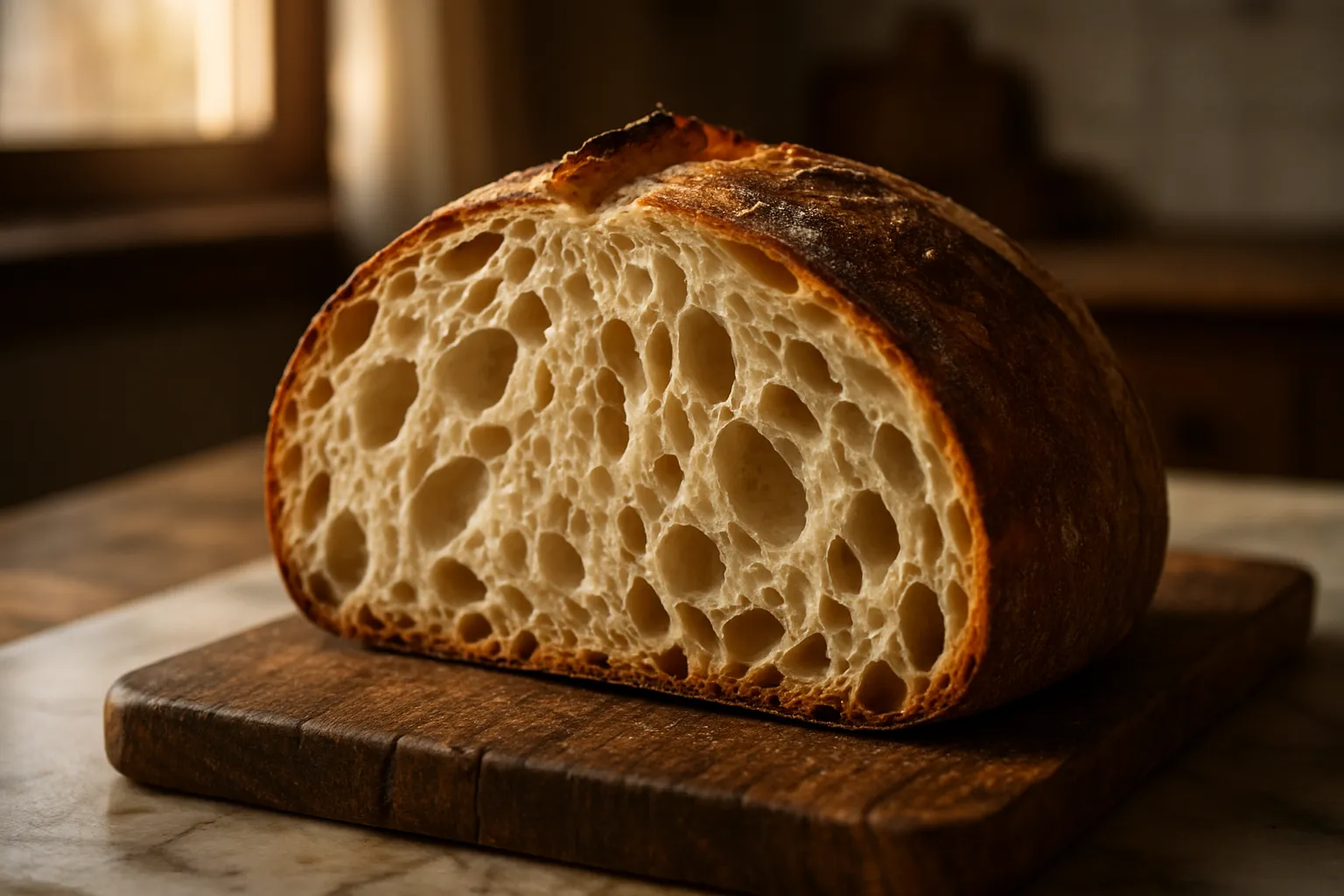
Good bread can still taste flat, sharp, or bland. Fermentation time, temperature, and starter care all shape the result. A longer bulk rise or cold overnight rest can build more acidity. A warmer proof moves faster and often creates a softer tang. Yeast activity also changes during these steps, which affects aroma. Bubba Goodcrumb's Classic Bubba Starter gives bakers a steady base for testing hydration, flour, and feeding ratios.
Key Takeaways
- Use levain percentage to help control sourness. A standard recipe uses 16.6% pre-fermented flour.
- Use about 10.5% of total flour in the levain for a milder loaf.
- Use about 35% of total flour for a bolder, more sour loaf.
- You can adjust sourness during almost every stage of bread making.
Foundation for Shaping Flavor
Flavor tests work best when you start with a steady culture. Keep the feeding rhythm clear, then give each change time to show its effect. The Classic Bubba Starter from Bubba Goodcrumb offers a mild baseline for these tests. Bakers can move the flavor in either direction. First, learn what the starter normally tastes like. Then adjust fermentation time or the acid profile. Aroma can change too as the fatty acid profile shifts.
Build a clear baseline before changing the schedule:
- Check for a steady rise and bubbles after feeding.
- Feed the culture on a regular schedule.
- Use the included care guide for hydration and storage details.
- Note the starter's usual 24-hour readiness window.
- Keep brief notes on each bake. Use terms such as mild, tangy, or sharp.
Starter Readiness Window
The Classic Bubba Starter is ready for baking within 24 hours of proper feeding. This gives you a useful reference point. A longer bulk rise or cooler proof can then become a planned flavor choice.
Starter Flavor Guidance
Each starter includes a care guide. It covers feeding ratios, hydration, and storage. The guide does not set one required level of sourness. Instead, it gives you the basics for making careful changes. Once that routine feels familiar, later tests become easier to read.
Fermentation Time Builds Sourdough Flavor
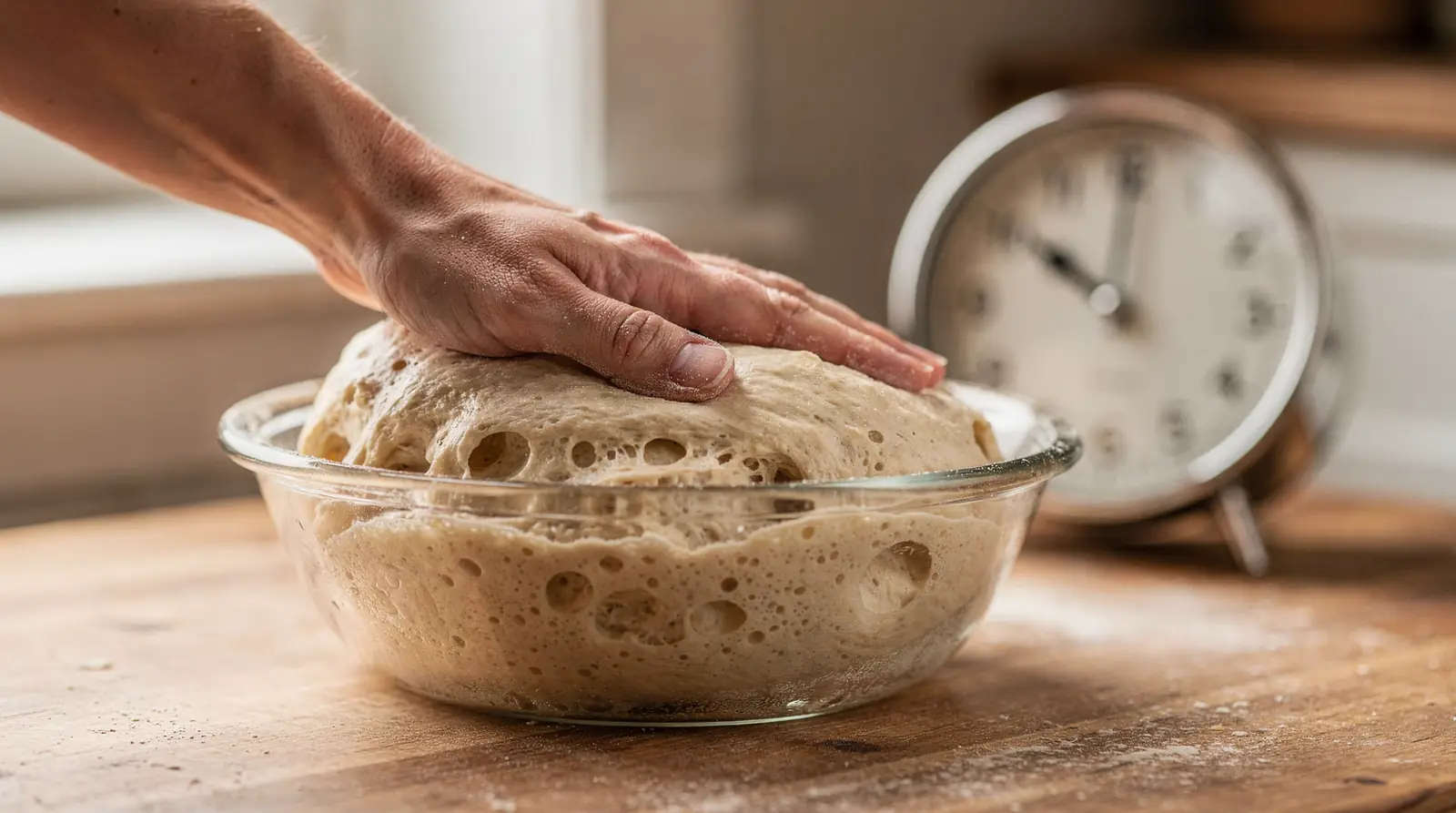
Longer fermentation gives wild yeast and bacteria more time to break down starches. They also produce acids, which can deepen sourdough flavor. Time is only one part of the result. Temperature and the microbes in the starter matter too. Ignore one of these factors, and the loaf may taste flat or harsh.
Changing fermentation time is one of the simplest ways to test acidity. A shorter bulk rise or final proof often creates a milder crumb. A longer rise can build more tang. A slow, cold rest in the refrigerator gives lactic and acetic acid more time to develop. The result may have a stronger acid profile.
Longer Rises and Loaf Acidity
More time does not always mean more sourness. Temperature and starter activity matter just as much. A dough left warm for six hours will ferment faster than one kept cool for six hours. The loaves may taste different even though the clock shows the same time.
Test one change at a time:
- Extend bulk fermentation by one or two hours.
- Place the shaped loaf in the refrigerator overnight.
- Shorten the rise for a milder loaf.
- Record the result after each bake.
Starter Timing for Flavor Experiments
A starter that reaches peak activity within 24 hours gives you a useful timing guide. You can then plan a longer ferment for more tang or a shorter one for a gentler result. The starter's rhythm becomes a reference instead of a source of doubt.

Temperature Shifts the Acid Profile
Warm conditions favor lactic acid bacteria. They often create a round, yogurt-like tang. Cooler conditions slow bacterial activity and can give acetic acid a stronger role. This may create the sharp edge many bakers call sour. Temperature works with flour ash content and total fermentation time. Together, these factors shape the loaf's acidity. Fermentation can also release fatty acids that affect aroma.
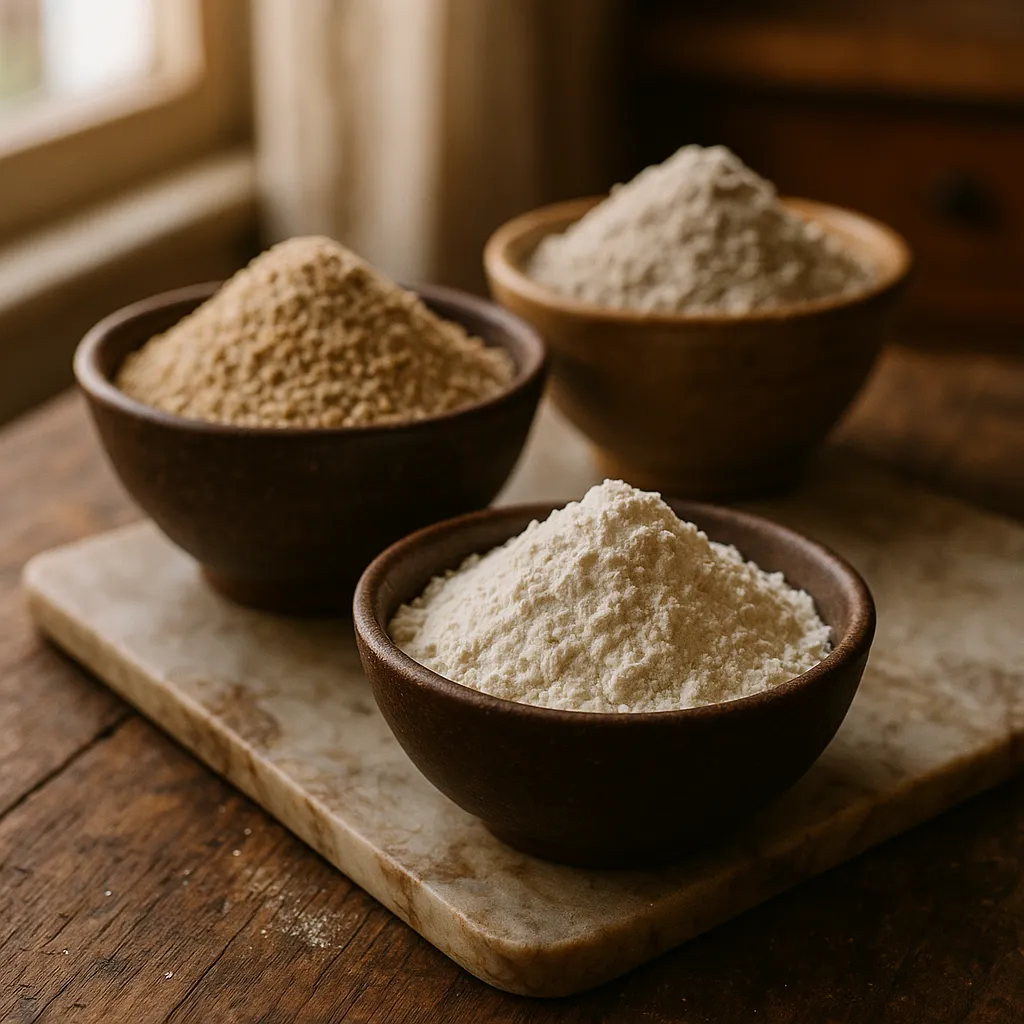
Flour choice matters as well. Ash content means the mineral residue left after flour burns in a lab. It affects how much acid the dough can hold. Whole wheat and rye usually have more ash than refined white flour. They can support a bolder sourdough flavor before the dough becomes weak or slack.
Warmer Kitchens and Sourdough Acidity
Warm rooms speed up fermentation. They often shift the balance toward a milder lactic tang. For a sharper acid profile, bakers may need cooler and slower conditions instead.
Try this simple sequence:
- Start with a mild starter. Bubba Goodcrumb's Classic gives you a neutral baseline.
- Chill the bulk ferment in a refrigerator at roughly 38–40°F.
- Use a warmer room temperature of about 78–82°F for a rounder flavor.
- Match the temperature change with the right rise time.
Small temperature changes can add up quickly. Record each one before making another change.
Flour Choices That Deepen Sourdough Flavor
Whole grain and high-ash flours can build deeper sourdough flavor than refined white flour. They contain more bran and minerals. These materials can support acid-producing bacteria. Ash content also affects buffering capacity. A dough with more buffering capacity can hold more acid during fermentation.
Use this process when testing flour:
- Start with bread flour for structure.
- Replace 10% to 30% with whole wheat or rye.
- Compare the tang across several bakes.
- Record hydration and rise time with each result.
Whole Wheat Flour and Sourdough Acidity
Whole wheat and rye often create a sharper acid profile. Their higher ash content helps the dough hold more acid as it ferments. Refined white flour usually creates a milder result with less complexity.
Water Quality and Flour Performance
Water can affect the culture before the dough begins to rise. Chlorinated or mineral-heavy tap water may interfere with delicate microbial colonies. Filtered or dechlorinated water can help protect the culture and let the flour perform as intended.
An active, mature culture gives whole grain and high-ash flour a strong base. With careful flour choices, it can help produce deeper, more expressive loaves. The culture's yeast also helps the dough rise.
Hydration and Levain Size
Levain size is another strong control for sourdough flavor. The amount of pre-fermented flour affects how much activity occurs before the final dough comes together. That timing can change the loaf's character.
A larger levain can create a bolder, tangier loaf. A levain near 35% of total flour gives more flour time to ferment before the final mix. This creates more opportunity for lactic and acetic bacteria to develop acid.
Levain Percentage for a Milder Loaf
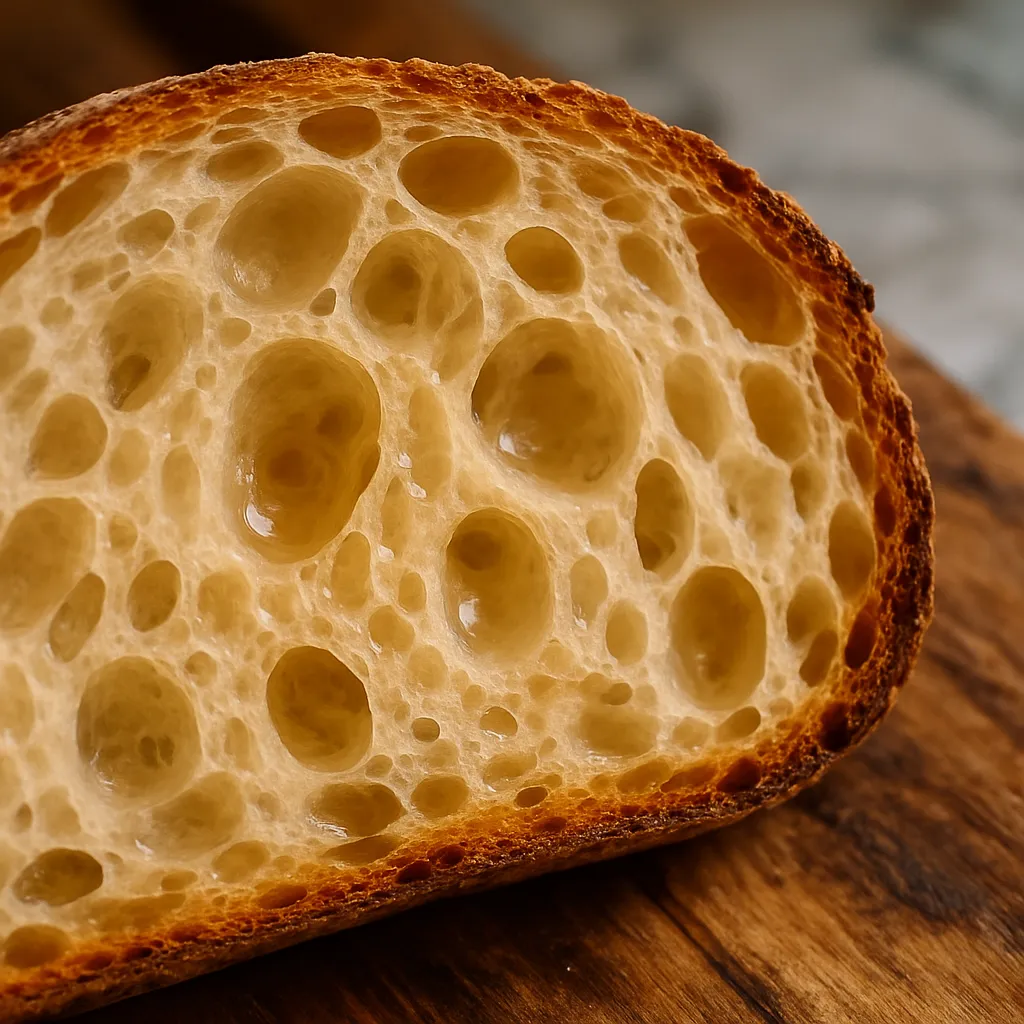
For a gentler crumb, use less levain. A level near 10.5% of total flour creates a smaller pre-fermented portion. Less flour ferments early, so the dough often develops less acidity before baking.
| Levain Size | Flavor Result |
|---|---|
| ~35% of total flour | Bold, pronounced sourness |
| ~10.5% of total flour | Mild, softer tang |
Starter Quality and Levain Results
Starter activity matters as much as the percentage you choose. A lively culture lets you compare levain ratios without wondering whether slow activity changed the result.
Test levain size in a clear way:
- Choose a target near 10.5% or 35% for a clear contrast.
- Feed the starter and check that it is active.
- Change only the levain ratio for the next bake.
- Taste the loaf and record the result.
Even small changes in levain size can alter the loaf's acid profile. Good notes make the pattern easier to see.
Feeding Schedules for Starter Tang
Feeding frequency and the flour-to-water ratio affect how much acid builds before baking. Bakers who want more sourdough flavor often start by changing the feeding routine. A steady routine makes that test easier to understand.
Longer gaps between feedings give acid-producing bacteria more time to work. This can deepen tang. Shorter, more frequent feedings keep the culture younger and milder. The link between feeding rhythm and fermentation time works like a dial. Small changes can create noticeable differences.
Feeding Frequency for Stronger Sourness
A starter left unfed for about a day past its usual peak may build a stronger acid profile. The longer wait gives bacteria more time to work. Feeding at peak activity resets the culture sooner and can produce a milder result.
Consistency matters more than one clever trick. The care guide included with each starter gives bakers a framework for building a regular routine. That routine supports flavor tuning. Without it, tang can vary from bake to bake.
The dried starter ships shelf-stable to all 50 states. Bakers can reactivate it at home and build a regular feeding schedule. Distance from Las Vegas does not prevent access to a culture that supports repeatable flavor tests. A steady routine turns each bake into a useful comparison.
Putting Flavor Variables Together
Change one main factor before the next bake. Keep the flour and hydration the same while you change the fermentation window. This makes the comparison more useful. It also helps you connect each result to its cause.
The goal is not simply a sharper loaf. Good sourdough balances aroma, crust color, crumb texture, and acidity. Wild yeast supports the rise. Bacteria produce acids. Both parts of the culture matter.
Start with one temperature choice. Ferment the dough warm or cool. Warm conditions may help active yeast raise the dough faster. A cooler schedule gives yeast and bacteria more time to shape aroma. The organic acid profile may feel round or sharp.
Feeding also changes the flavor of sourdough bread. Fresh flour can create a milder result. A longer fermentation period gives yeast and bacteria different amounts of time to work. This can create a more complex organic acid profile.
Hydration is another useful control. A wetter dough moves and ferments differently from a stiff dough. Yeast may also appear more active. Watch the dough instead of relying on the clock alone. Describe its organic acid profile after the loaf cools.
Keep the flour comparison simple. Bake one loaf with mostly white flour. Bake another with some whole grain flour. The different flour environment may show up in both aroma and acidity.
Look for a dough that has gained volume and feels aerated. The dough needs enough fermentation for yeast to create structure. Too much time can weaken it. Record the rise beside the organic acid profile so taste and process stay connected.
For a cold-retard test, shape the dough after bulk fermentation. Chill it overnight. The yeast slows in the refrigerator, while acids continue to affect flavor. The next loaf may have a firmer crust and a clearer organic acid profile.
Starter strength matters when the dough behaves in an unexpected way. A slow yeast culture may need more time. An active culture may move faster than the recipe suggests. Keep the feeding routine steady before judging the loaf's flavor.
Use one tasting question: does the loaf taste mild, balanced, or sharp? Compare one bake with the next. Note whether yeast activity, temperature, or flour changed. This gives the organic acid profile a practical meaning.
Aroma can include more than acidity. Sourdough bread may show toasted grain, fruit, yogurt, or vinegar-like notes. Fermentation, flour, and yeast create these impressions together. The organic acid profile is only one part of the finished loaf.
Other fermented foods can offer a useful comparison. A cream ale may have a soft, rounded fermentation character. Sourdough bread has its own mix of grain, crust, and acidity. Yeast contributes to both, but the processes and results differ.
That contrast shows why a flavored sourdough bread should begin with a balanced base. Additions should support the crust and crumb instead of hiding them. Bakers may also describe the result as flavoured sourdough bread when herbs, fruit, or other ingredients shape the loaf. The comparison with cream ale makes sourdough's distinct character easier to notice.
FAQ
How does levain percentage control sourdough sourness?
Standard recipes use 16.6% pre-fermented flour in the levain. Reduce this to 10.5% of total flour for less sour bread. Increase it to 35% for a sharper flavor profile.
How long does the Classic Bubba Starter take to become bake-ready?
The Classic Bubba Starter reaches baking readiness within 24 hours of proper feeding. This window gives you a useful reference point. A longer bulk rise or cooler proof can then become a planned flavor choice.
Does extending fermentation time change sourdough flavor?
Yes. Longer fermentation gives wild yeast and bacteria more time to break down starches and produce acid. A slow, cold rest can sharpen the loaf's flavor. Active yeast still helps determine how much structure the dough develops.
About Bubba Goodcrumb
Sharing practical sourdough guidance from the Bubba Goodcrumb kitchen in Las Vegas.
More from Bubba
Related reading
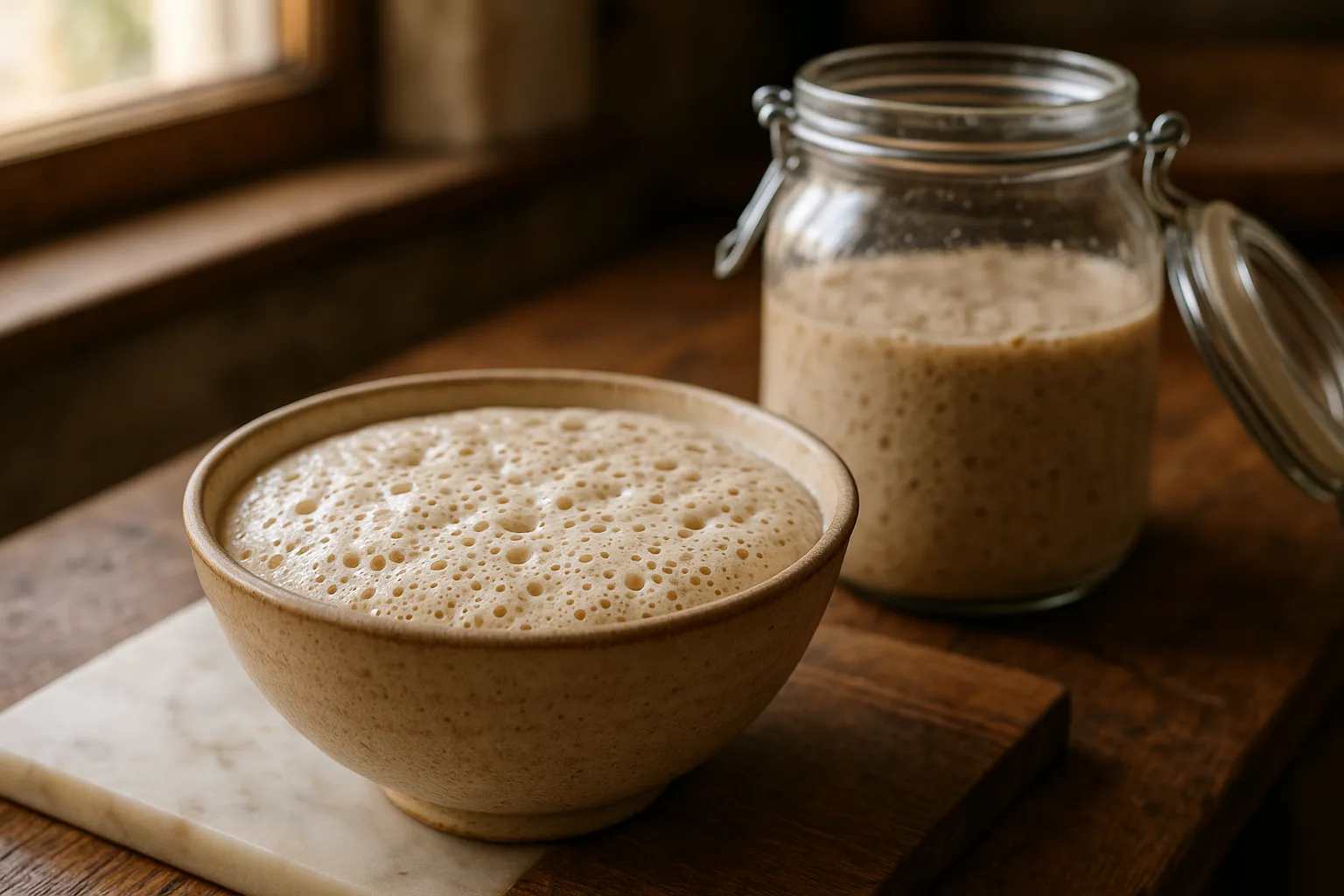
Levain vs Starter: Which Sourdough Method Wins
Learn the key differences between levain and direct starter methods for sourdough. Bubba Goodcrumb explains timing, flavor control, and which technique works.
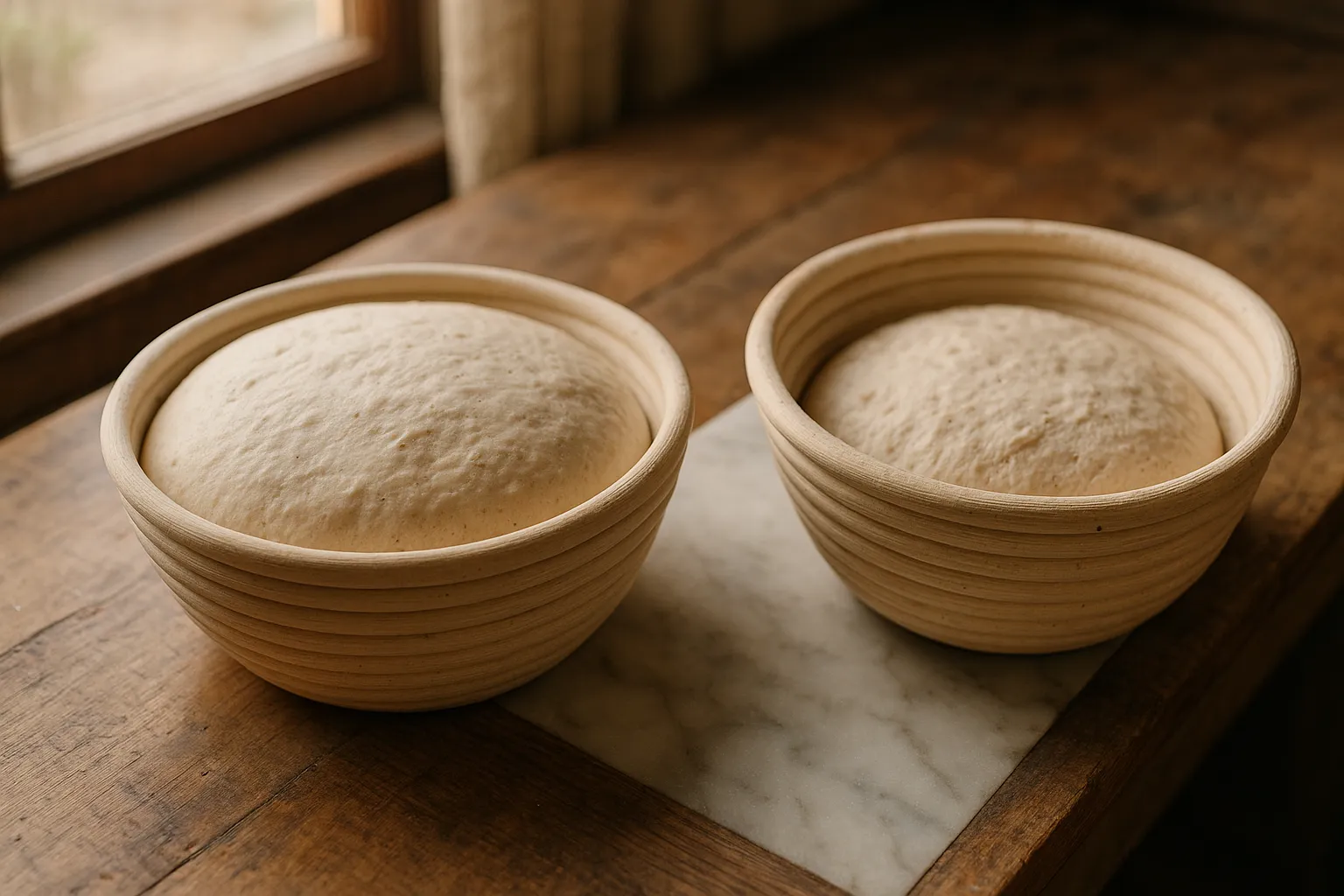
Sourdough Starter vs Yeast: Which Rises Best
Compare sourdough starter and commercial yeast. Bubba Goodcrumb explains the science, flavor, and rise differences to help home bakers choose the best option.
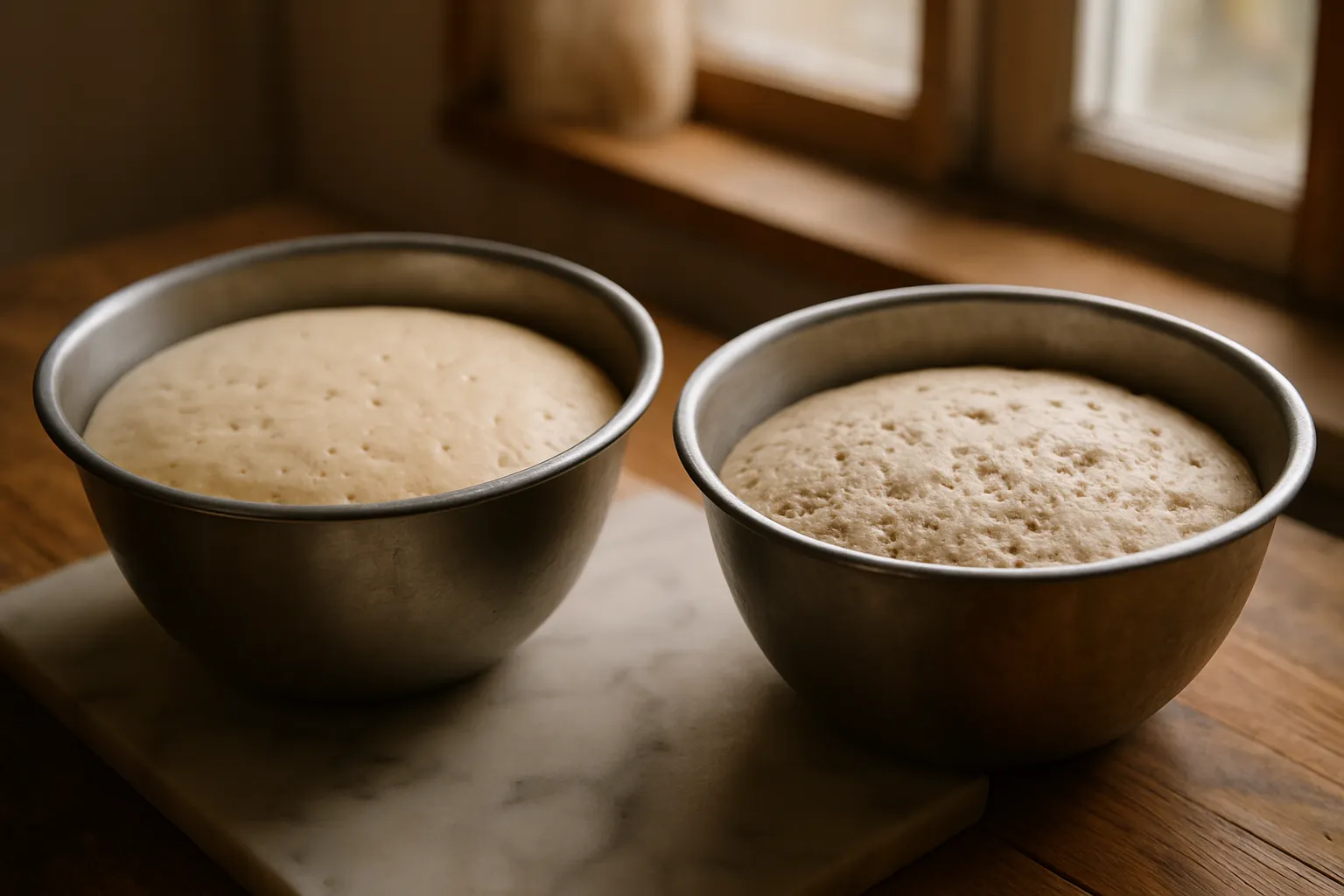
How to Convert Yeast to Sourdough
Replace commercial yeast with sourdough starter using Bubba Goodcrumb's simple conversion formula. Adjust hydration, extend rise times, and bake with wild.