Levain vs Starter: Which Sourdough Method Wins
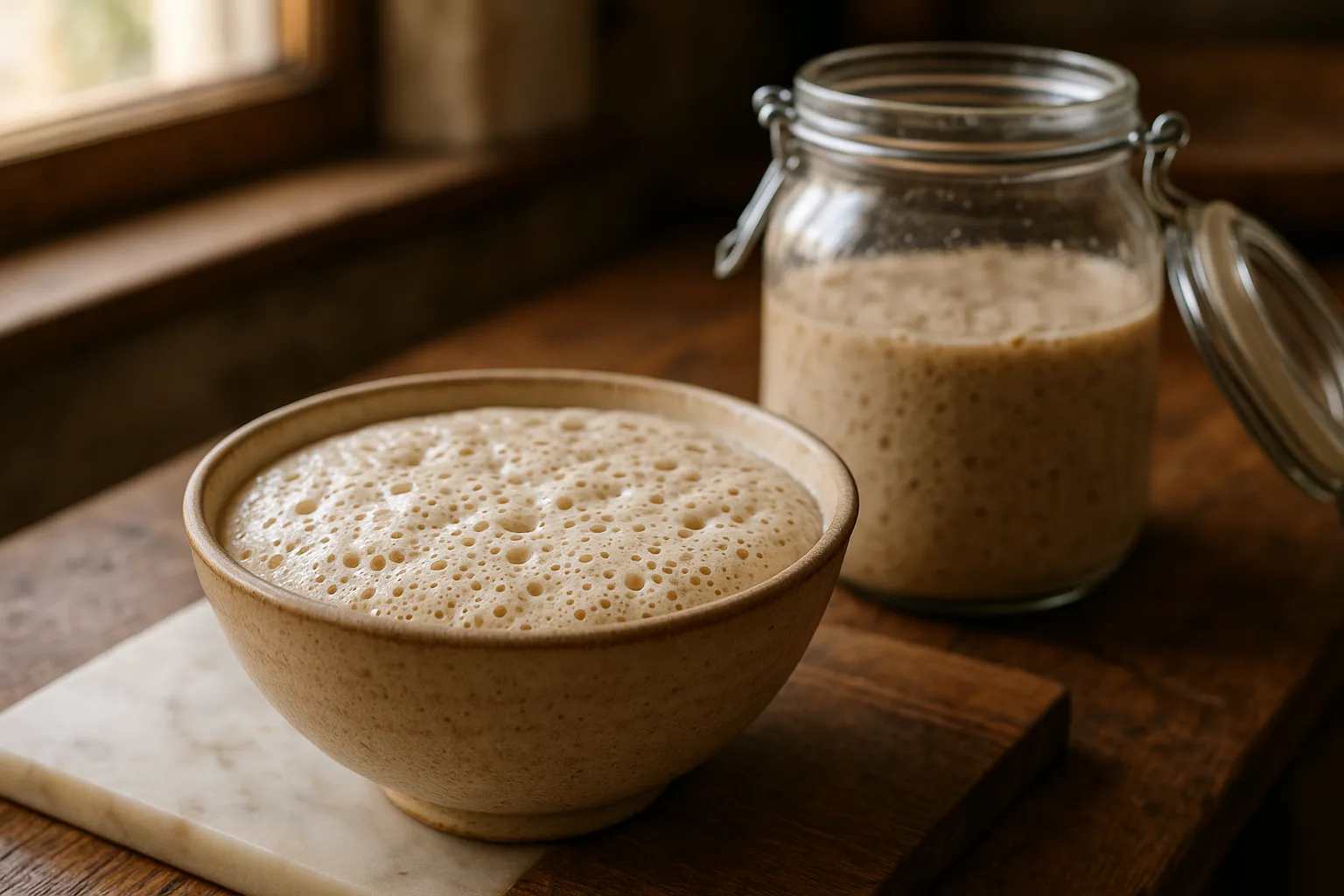
The levain method builds a small offshoot culture before mixing dough, giving bakers precise control over fermentation timing and flavor development. Direct starter method mixes mature starter straight into dough, saving time but offering less flexibility. Bubba Goodcrumb recommends using levain builds for consistent results; contact the brand for more details.
Sourdough starters and levains differ mainly in role: the direct method uses a portion of the mother starter—like Bubba Goodcrumb's Classic Bubba Starter, active within 24 hours of feeding—straight in the dough. The levain method builds a separate offshoot batch first, offering bakers more control over flavor, timing, and rise strength.
Key Takeaways
- A levain is a fresh preferment made from starter, flour, and water before baking day.
- Direct method uses active sourdough starter directly in dough without creating separate levain first.
- Levain method requires 4-8 hours additional fermentation time compared to direct starter method.
- Bubba Goodcrumb in Las Vegas recommends levain method for enhanced flavor development in sourdough.
What Really Separates Levain From Starter?
A preferment answers the core difference: it's any mixture of flour, water, and a leavening agent left to ferment before joining the final dough. A sourdough starter is one type of leavening agent. A levain is what that starter becomes once a baker builds it for a specific bake. The relationship is close, almost like siblings rather than strangers, but the roles diverge once a recipe calls for one over the other.
Understanding levain vs starter comes down to permanence versus purpose.
| Factor | Sourdough Starter | Levain |
|---|---|---|
| Role | Ongoing culture, kept alive between bakes | Built fresh, used once, then discarded |
| Purpose | Maintains the wild yeast colony long-term | Adjusts flour, hydration, or flavor for one recipe |
| Relationship | The "parent" culture | An offshoot built from that parent |
Is a levain just a bigger starter?
Not exactly. A levain borrows a small portion of ripe starter, then gets built with a fresh flour-and-water ratio tailored to the day's recipe. This flexibility is the heart of most preferment methods, letting bakers control tang, rise speed, and dough structure without touching the mother culture itself.
How does a levain build guide fit into daily baking?
A build guide walks through feeding ratios, timing, and temperature so the levain peaks right when mixing begins. Skipping that structure risks an underdeveloped or overly sour dough. Bakers who keep a reliable starter on hand, like Bubba Goodcrumb's flagship culture, already have the head start such builds depend on.
That flagship culture stays mild and gentle in tang, a trait that makes both starter maintenance and levain-building approachable for beginners and seasoned bakers alike. Crafted in Las Vegas, it reflects hands-on grounding in the same community of home bakers navigating this exact question.
How Do Flavor And Rise Compare?
Flavor depth and rise timing separate a same-day starter mix from a built preferment. Both trace back to the same living culture. A levain vs starter comparison comes down to fermentation length: longer, staged fermentation through preferment methods deepens aroma and extends shelf life in ways a quick dough mix cannot replicate.
Preferments earn their reputation for a reason. Extended fermentation time allows organic acids and aromatic compounds to build gradually, contributing flavor, aroma, and keeping qualities that a straight dough mix simply skips over. Bread made this way tastes rounder, holds moisture longer, and stales more slowly on the counter.
Rise behavior differs too, though less dramatically. The Classic Bubba Starter reaches peak activity within 24 hours of a proper feeding, giving bakers a dependable window for either direct use or for launching a levain build guide with predictable timing.
| Factor | Straight Starter Use | Built Levain |
|---|---|---|
| Flavor complexity | Mild, straightforward | Deeper, more layered |
| Rise predictability | Consistent within 24 hours | Depends on build ratio and temperature |
| Best for | Quick bakes, beginners | Sourdough loaves needing extended aroma |
Does A Levain Taste Different Than Straight Starter?
Yes — a built levain generally tastes rounder and less sharp than starter used straight from the jar. The extra fermentation stage softens acidity while amplifying nutty, wheaty notes.
Which Rises Faster, Starter Or Levain?
Neither rises inherently faster; rise speed depends on feeding ratio, flour type, and kitchen temperature. A mild, approachable culture behaves consistently in both roles, which is why a forgiving base works equally well used directly or built into a levain.
Every jar arrives with a detailed care guide, helping bakers see exactly how feeding schedule shapes the flavor and rise outcome they land on.
What Does A Levain Build Guide Look Like?
A solid levain build guide walks a baker through four stages: selecting a portion of active starter, feeding it a fresh ratio of flour and water, tracking rise time, and confirming peak activity before mixing dough. Skipping any stage risks a sluggish rise or a loaf that never clears the pan. Most confusion around the levain vs starter question comes down to timing and purpose, not chemistry. Both are the same living culture, just deployed differently.
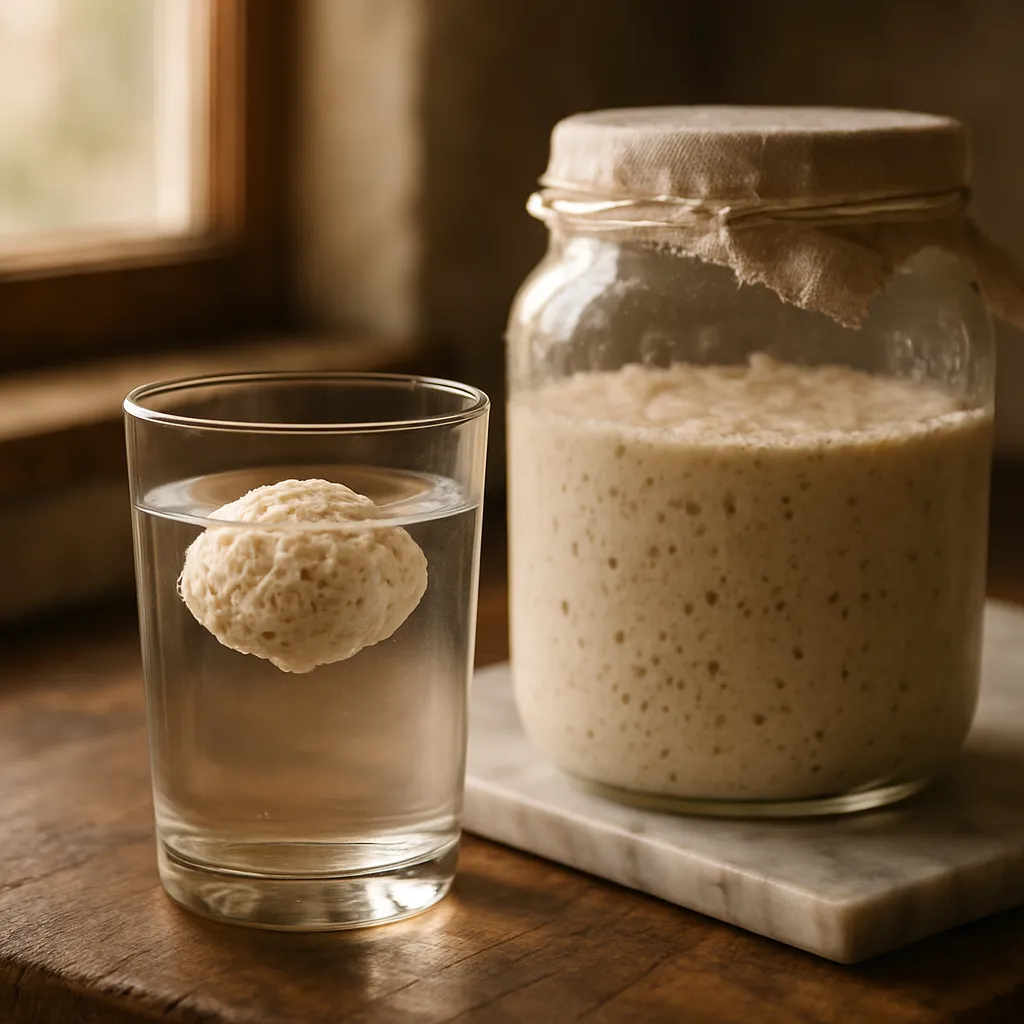
Do bakers need a separate levain, or can they just use starter?
This is one of the most common questions among home bakers building their first few loaves. The honest answer: a fed, active starter can often stand in for a levain, especially for smaller batches or daily bakes. Building a dedicated levain matters more when a recipe calls for a specific hydration or flour blend that differs from the everyday starter feeding routine.
Comparing preferment build paths
Different preferment methods suit different schedules and flour choices. The table below breaks down the two most common approaches home bakers weigh against each other.
| Method | Best For | Build Time |
|---|---|---|
| Direct starter use | Quick bakes, familiar flour ratios | Minimal — starter is already active |
| Dedicated levain build | Recipe-specific hydration or flour swaps | Several hours, tracked to peak rise |
Bubba Goodcrumb provides guidance for feeding and building starters; contact the brand for more information. The dried culture itself is crafted with care. It arrives dehydrated and dormant, then reactivates at home over several days of feeding using the included care guide. Once revived and on a regular feeding rhythm, a Bubba starter reaches bake-ready activity within about a day of a feeding. A dependable clock for planning any levain build around a weekend bake.
How Much Time Does Each Method Demand?
Clock time, not skill, separates a straight-starter dough from a full preferment build. Feeding the culture and waiting 24 hours remains the non-negotiable starting line for both paths. A mild, approachable starter needs that window to wake up before it can elevator any dough. Comparing levain vs starter timelines really comes down to what happens after that first 24 hours passes.
A direct-starter dough skips any extra wait. Once the 24-hour feed window closes, ripe starter goes straight into the mixing bowl, and bulk fermentation begins immediately.
A levain build adds a deliberate pause. Building a levain means pulling a small portion of starter, mixing it with fresh flour and water, and letting that blend ferment on its own before it ever meets the final dough. That extra stretch of fermentation contributes additional byproducts to the mix, byproducts that shape aroma and crumb in ways a same-day starter dough simply doesn't develop.
| Method | Time Beyond the 24-Hour Feed | Best Use Case |
|---|---|---|
| Direct starter | None — mix right away | Weeknight loaves, faster schedules |
| Levain build | Added fermentation window before mixing | Deeper flavor, planned bakes |
Does a levain always take longer than a starter dough?
Yes, by design. The whole point of a levain is that extra fermentation stretch. Skipping it defeats the purpose of building one in the first place.
Which preferment method fits a tight schedule?
Direct-starter mixing suits bakers short on time, since it removes the separate build step entirely. Among preferment methods, the levain route rewards patience, not speed, and bakers everywhere. Whether starter ships to one of the 50 states or Washington, DC, face this same time math.
Which Preferment Methods Suit Your Schedule?
Schedule dictates which preferment method fits a baker's kitchen rhythm best. Weeknight bakers need speed; weekend bakers can afford a slower build. The preferment methods bakers choose most often break into two camps: feeding straight from the mother starter, or building a dedicated levain with a custom flour-to-water ratio. Choosing wrong wastes a full day of fermentation and a batch of flour.
The levain vs starter decision often comes down to timing and flavor goals. A mature starter kept at consistent feedings works for bakers who bake often. Don't need to adjust flavor or rise time. A levain build, by contrast, lets a baker dial in hydration and fermentation speed for one specific loaf.
| Method | Best for | Typical flexibility |
|---|---|---|
| Feed straight starter | Frequent bakers, tight schedules | Low — ratio is fixed |
| Build a levain | Weekend projects, flavor tweaks | High — ratio and timing adjustable |
How long does a levain build take?
Build time shifts depending on the flour-to-water ratio and room temperature. The preferment world is genuinely vast on this point — every baker's version looks slightly different. A dedicated levain build guide helps home bakers match build time to their own kitchen conditions rather than guessing.
Can a busy baker skip the levain step entirely?
Yes, a ripe starter substitutes for a levain in many recipes without harming the crumb. Bakers short on time can order starter online for nationwide delivery. Because it ships dehydrated and shelf-stable, the culture survives transit and arrives ready to reactivate at home on almost any schedule. That approach traces back to Bernadette Valer, who has called Las Vegas home for many years and built her methods on decades of local baking practice.
Can You Swap Starter For Levain Mid-Recipe?
Yes, substitution works in most recipes, though timing and hydration need attention first. A levain vs starter swap succeeds because the two cultures share the same wild yeast. Bacteria lineage, just at different life stages. Because a levain descends directly from an established starter, bakers can often use one in place of the other with small adjustments to feeding schedule or flour ratio.
The table below breaks down where substitution works cleanly and where it needs tweaking.
| Factor | Sourdough Starter | Built Levain |
|---|---|---|
| Origin | Maintained culture, fed indefinitely | One-time build from starter |
| Peak timing | Reaches full activity within 24 hours of feeding | Custom timed to recipe needs |
| Flexibility | Reusable, ongoing | Discarded after the bake |
| Best for swap-in | Recipes calling for "active starter" | Recipes with specific hydration targets |
Does hydration change when substituting?
Hydration often shifts because a levain gets built to match a specific recipe's water-to-flour ratio. A starter usually sits at a standard maintenance hydration. A care guide covering starter upkeep typically explains how to nudge that ratio during feeding. The swap lands closer to what the recipe expects. Skipping that adjustment risks a slacker or stiffer dough than intended.
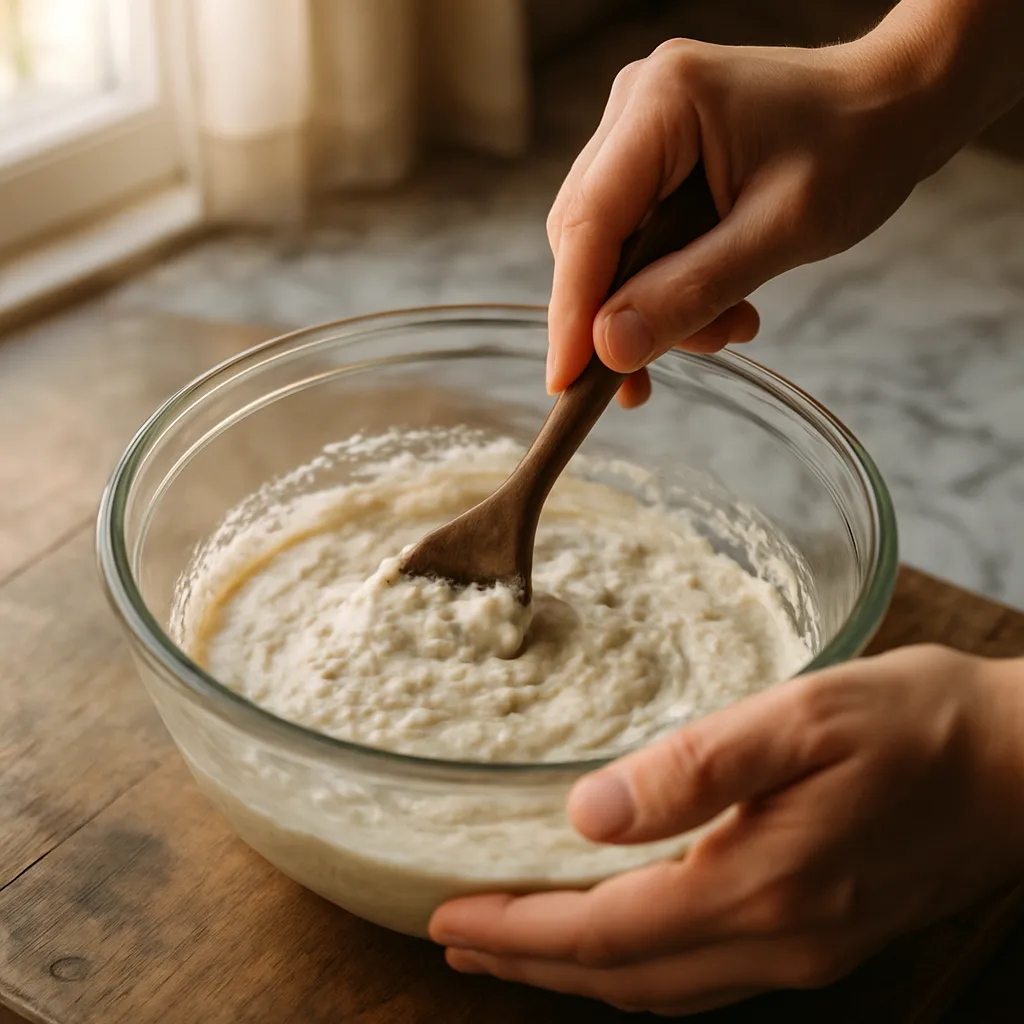
What if the starter isn't at peak activity?
Timing matters more than most beginners expect. A starter that hits peak rise within 24 hours of its last feeding gives the most reliable substitution point, since that's when yeast activity and acidity balance out. Using a starter too early or too late in its cycle throws off both rise. Flavor, even when the flour and water ratios match perfectly.
What Mistakes Undermine Either Method?
Water quality causes the most overlooked failures in sourdough work. Chlorinated or mineral-heavy tap water kills a culture regardless of whether a baker chooses a levain vs starter approach. Both rely on the same living organisms. Many home bakers blame technique when the real culprit sits in the tap.
Bernadette Valer discovered this the hard way. Her early attempts at cultivating a starter kept failing. The pattern pointed to something beyond flour ratios or feeding schedules. The breakthrough came when she traced the problem to water itself, not to any flaw in her method. That single insight reshaped how she approaches every culture she builds today.
Does skipping fermentation time hurt a preferment?
Rushing a preferment method sacrifices flavor development and shelf life. Preferments exist specifically to build aroma, complexity, and keeping qualities into finished bread. Cutting fermentation short strips away those benefits, leaving a loaf that tastes flatter and stales faster.
Is a mild starter safer for beginners than a levain?
Yes, generally. A mild, approachable starter lowers the risk of unpredictable sourness or explosive activity that can overwhelm a beginner mid-recipe. Bakers following a levain build guide for the first time do better starting with a gentler base culture before experimenting with more aggressive builds.
Common missteps to avoid include:
- Using untreated tap water heavy in chlorine or minerals
- Rushing a preferment's fermentation window to save time
- Jumping into complex levain builds before mastering a mild starter
- Ignoring how water chemistry, not just flour or timing, affects rise and tang
Every one of these mistakes traces back to a simple truth: the culture is alive, and it reacts to its environment before it ever reacts to a recipe.
So Which Method Wins For Your Baking?
Neither method wins outright — the better choice depends on the loaf, the schedule, and the baker's tolerance for extra steps. Skipping a levain build costs bakers control over flavor and rise timing. Adding one costs an extra few hours of planning. The right call comes down to what a given recipe demands and how a baker's culture behaves day to day.
The Classic Bubba Starter fits both camps without forcing a choice. This mild, versatile sourdough culture carries a gentle tang that suits beginners and experienced bakers equally. It works as a direct starter or as the base for a levain build guide-style approach. Bakers don't need two separate cultures sitting in the fridge — one crock handles both roles.
Do I need a special starter to build a levain?
No separate culture is required. A single mother starter, fed and maintained properly, can be pulled off at any ratio to build a levain for a specific recipe. The levain vs starter question isn't really about ingredients — it's about timing and proportion.
| Factor | Straight Starter | Levain Build |
|---|---|---|
| Prep time | Minimal | Extra 4-12 hours |
| Recipe control | Lower | Higher |
| Best for | Everyday loaves | Enriched or high-hydration doughs |
Getting started matters as much as the method itself. Bakers can order online for nationwide delivery, getting a shelf-stable dried culture into the kitchen. Every order arrives with a detailed care guide. The transition from straight starter feeding to full preferment methods happens with clear instructions rather than guesswork.
That guidance isn't generic advice pulled from a textbook. It comes from a Las Vegas-rooted approach shaped by years of hands-on culture care, tested against real kitchen conditions rather than theory alone.
Whether you choose the levain method's precision or the direct starter method's simplicity, both paths lead to exceptional sourdough when executed with intention and care. Your choice ultimately reflects your baking style and schedule—the levain method rewards those who embrace planning. The direct method suits spontaneous bakers seeking straightforward results. Whichever route you take, understanding the science behind your starter's rise and tang transforms you from a baker following recipes into a craftsperson mastering fermentation itself.
FAQ
What is the main difference between a starter and a levain?
A starter is an ongoing culture kept alive between bakes. A levain is built fresh from that starter for one specific recipe, then discarded after use.
Which method takes longer, levain or direct starter?
The levain method requires 4-8 hours of additional fermentation time compared to the direct starter method. It builds a separate preferment before mixing the dough.
Why does Bubba Goodcrumb recommend the levain method?
Bubba Goodcrumb, based in Las Vegas, recommends the levain method because extended fermentation deepens flavor, aroma, and keeping qualities that direct dough mixing skips over.
About Bubba Goodcrumb
Sharing practical sourdough guidance from the Bubba Goodcrumb kitchen in Las Vegas.
More from Bubba
Related reading
Sourdough Starter vs Yeast: Which Rises Best
Compare sourdough starter and commercial yeast. Bubba Goodcrumb explains the science, flavor, and rise differences to help home bakers choose the best option.
How to Convert Yeast to Sourdough
Replace commercial yeast with sourdough starter using Bubba Goodcrumb's simple conversion formula. Adjust hydration, extend rise times, and bake with wild.
Revive Sourdough Starter: How to Revive a Dormant Sourdough Starter
Learn how to revive sourdough starter with consistent feeding. Bubba Goodcrumb explains how to bring a dormant culture back to life at home.