Top Sourdough Recipes: Active and Discard
Top Sourdough Recipes: Active and Discard
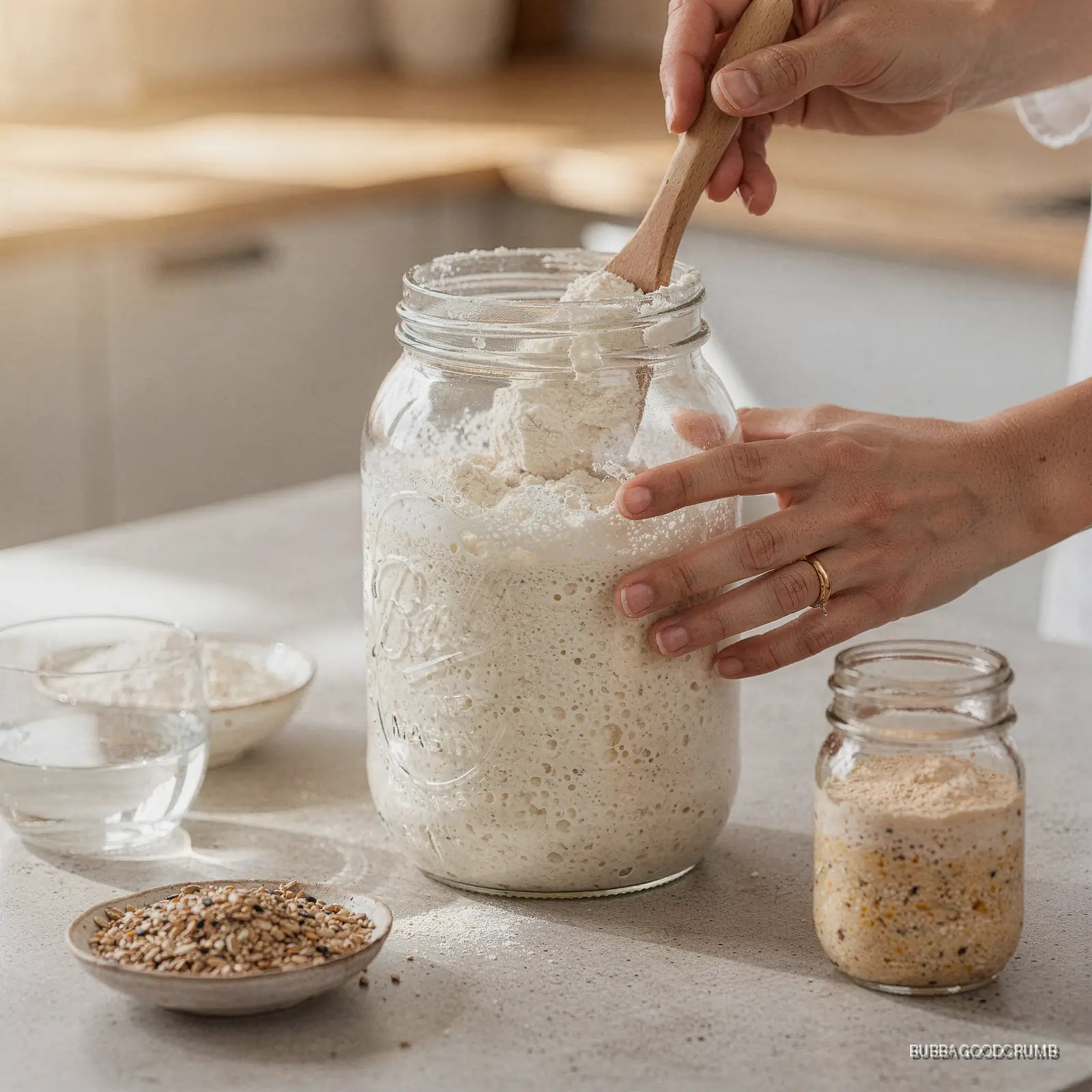
A flat loaf, sticky dough, or wasted discard can ruin baking day. These top sourdough recipes make the process easier. They cover active starter bakes and simple discard ideas for every meal. These starters also give home bakers a dependable place to begin.
Bubba Goodcrumb curates recipes for pancakes, waffles, pizza crust, crackers, banana bread, bagels, English muffins, focaccia, chocolate cake, cinnamon rolls, and more. Each idea gives surplus culture a useful place in the kitchen. The collection includes more than 20 tested options for breakfast, lunch, dinner, and dessert. For readers comparing the best sourdough recipes, this range keeps each bake practical.
The perfect loaf sourdough method can inspire careful attention to timing, hydration, and dough strength.
Key Takeaways
- Active cultures help leaven sourdough bread, rolls, pizza, and other doughs.
- Discard creates pancakes, crackers, pakora, cakes, and quick bakes.
- Hydration, flour choice, timing, and temperature shape each sourdough bread result.
- A Dutch oven supports strong oven spring during sourdough bread baking.
- Simple routines help every sourdough starter stay useful and lively.
Why These Starter Recipes Earn a Place in Your Kitchen
Bubba Goodcrumb's flagship culture brings a mild, gentle tang. That flavor suits pancakes, pizza dough, and classic sourdough bread. A softer flavor also helps delicate muffins, crepes, and cakes. These qualities make the collection useful for new and experienced bakers. These starters can support both quick discard bakes and longer doughs. Fresh starters are easiest to manage when feeding stays consistent. A levain gives another way to think about a fed culture.
Las Vegas heat and mineral-heavy water can challenge a sourdough starter. Bakers elsewhere may face different kitchen conditions. Filtered water, steady feeding, and careful hydration help reduce surprises. A reliable starter recipes list also prevents extra culture from going unused. New starters benefit from simple notes about room temperature. A levain can respond differently as the kitchen warms. Whole wheat flour may also change the pace of feeding.
For anyone seeking the best sour dough bread, a steady method matters more than complicated gear. The best sourdough starter supports that method when it looks active, smells clean, and rises after feeding. The best sourdough starter recipe is one you can repeat consistently. For many bakers, the best sourdough is the loaf that fits a repeatable routine.
Active Starter and Discard Have Different Jobs
An active sourdough starter has recently fed and shows bubbles. It can leaven sourdough bread within about 24 hours of feeding. Discard is the portion removed before feeding. It has less lifting power, so it suits crackers, pancakes, and cakes. These starters work best when their age matches the recipe. A levain can provide lift when it has reached a lively peak. Whole wheat flour can add aroma and support a more active culture.
Active cultures support sourdough bread, pizza crust, pretzels, bagels, and rolls. Discard adds flavor to waffles, muffins, pasta, and pakora batter. Both options deserve space in a practical starter recipes list. Matching the culture to the recipe makes rise and texture easier to predict. A levain belongs in the active side of that choice. Whole wheat flour can deepen flavor in either a levain or a discard bake.
Fresh discard works well in pancakes, waffles, and quick flatbreads. Week-old discard suits crackers, muffins, and pizza dough. Active sourdough starter works best for sourdough bread, dinner rolls, and focaccia. Age changes flavor, hydration, and rise. A levain also gives bakers a useful way to plan the next dough. Whole wheat flour can make that dough taste fuller.
Core Ingredients for Reliable Sourdough Baking
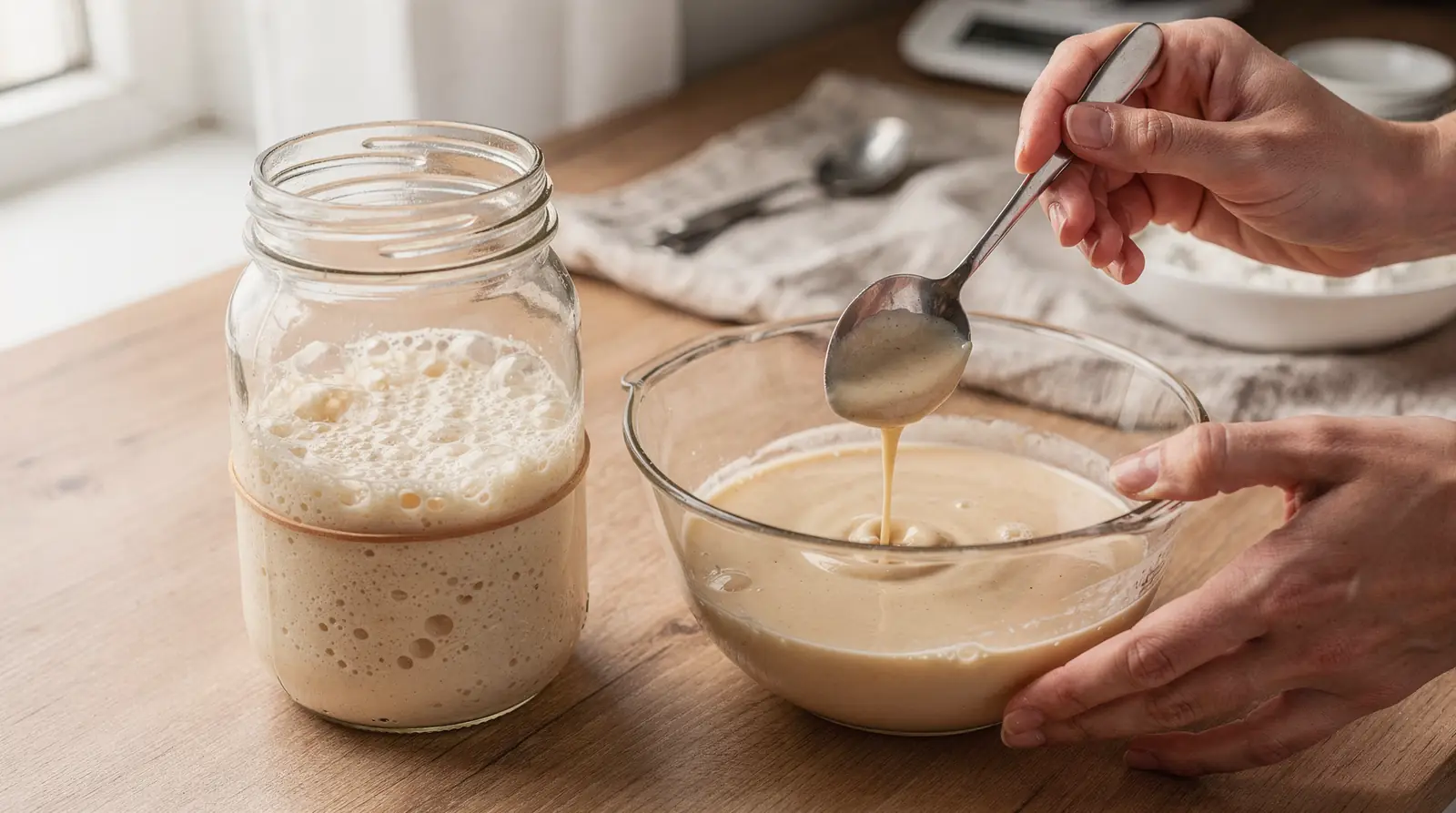
Most recipes need sourdough starter, flour, water, salt, and chosen mix-ins. Bread flour gives sourdough bread a strong structure. All-purpose flour creates a softer bite. The best flour for sourdough depends on the crumb and texture you want. Whole wheat flour can bring a deeper flavor, while salt keeps the finished dough balanced.
The best flour for sourdough starter gives the culture steady food and predictable activity. Many bakers use bread flour for feeding and dough. Bread flour also helps sourdough bread hold gas during bulk fermentation. Water quality affects hydration, fermentation, and flavor. Whole wheat flour can feed a levain while adding a warm, nutty note.
Start with moderate hydration when learning. Higher hydration creates a lighter crumb but stickier dough. Lower hydration makes shaping easier. Adjust hydration slowly as your handling skills improve. Track hydration with each sourdough bread bake. Whole wheat flour often absorbs water differently, so watch the crumb and dough feel.
The best bread flour for sourdough should match your recipe and kitchen. Bread flour supports sourdough bread, pizza dough, bagels, and focaccia. Whole grain flour adds flavor and speeds activity. Italian 00 flour works well for spinach pasta and other soft doughs. Whole wheat flour offers another option for a fuller loaf. Einkorn can add a distinct character, but whole wheat flour remains easier to handle for many formulas.
Common additions include fruit, herbs, cheese, yogurt, eggs, and chocolate. Indian cuisine also offers useful inspiration for discard baking. A crisp pakora batter can use discard, spices, vegetables, and water. Another pakora variation pairs well with yogurt and herbs. Sourdough discard can bring gentle tang to Indian cuisine without dominating the dish. Rye adds an earthy note, while tartine-style methods often emphasize dough handling and fermentation.
Active Sourdough Starter Baking Method
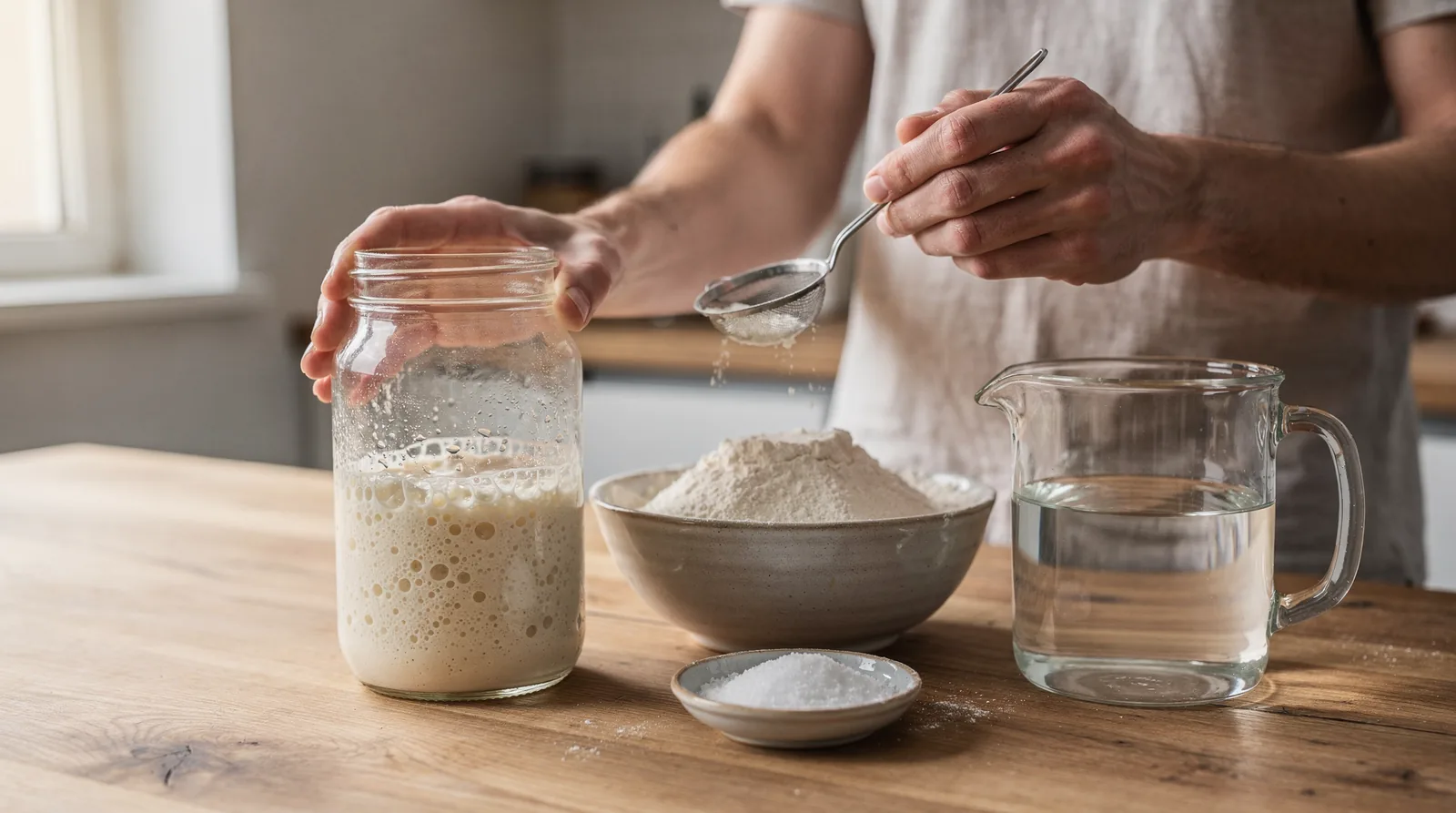
Feed the sourdough starter and wait for a visible rise. It should look bubbly and reach its peak within about 24 hours. Use it before activity falls. This timing supports sourdough bread with better volume and flavor. A levain can be ready when its surface looks aerated and rounded. Yeast from the starter works alongside time and temperature. These starters reward patience before mixing.
- Feed the sourdough starter and let it rise until doubled.
- Measure bread flour, water, salt, and active starter.
- Try an autolyse by resting flour and water first.
- Mix in the starter and salt after the autolyse.
- Build strength with a gentle stretch and fold.
- Continue the stretch and fold during early bulk fermentation.
- Watch the dough rise, then shape it with a bench scraper.
- Let the shaped dough proof in a banneton or lined bowl.
- Score the dough with a bread lame before baking.
- Move the dough onto parchment paper and bake until deeply colored.
During bulk fermentation, look for bubbles and a soft, rounded surface. Bulk fermentation may take longer in a cool kitchen. A warm room can shorten bulk fermentation. Judge the dough by its rise rather than by the clock. Whole wheat flour may make the dough feel heavier during this stage.
Use bread flour when you want a taller sourdough bread. Use enough hydration for a supple dough, but avoid chasing an open crumb too soon. A moderate hydration makes shaping easier. Strong dough and steady bulk fermentation create dependable sourdough bread. Add salt with care because it affects dough strength and fermentation.
Dutch Oven Baking for Better Crust
A Dutch oven traps steam around the dough. That steam delays crust setting and improves oven spring. Place parchment paper beneath the dough before lowering it into the Dutch oven. The Dutch oven also protects the loaf during its first minutes. This sourdough approach helps the crust stay flexible while the loaf expands.
Preheat the Dutch oven fully before baking sourdough bread. Score the dough with a bread lame so it expands in a planned direction. Bake with the Dutch oven covered first. Finish uncovered when the crust needs more color. A little salt on the finished crust can sharpen its flavor.
A Dutch oven works for high-hydration sourdough bread and firmer doughs. Higher hydration can produce stronger oven spring in a hot Dutch oven. Lower hydration dough remains easier to shape. Either method can create excellent sourdough bread with good bulk fermentation. This sourdough bake can show how hydration changes the crumb.
Handle the Dutch oven carefully because its walls hold intense heat. Use parchment paper when the dough feels soft or sticky. A Dutch oven gives home bakers a simple path toward crisp crust. It also makes sourdough bread more forgiving. Salt helps the crust and interior taste complete.
Discard Bakes for Sweet and Savory Cooking
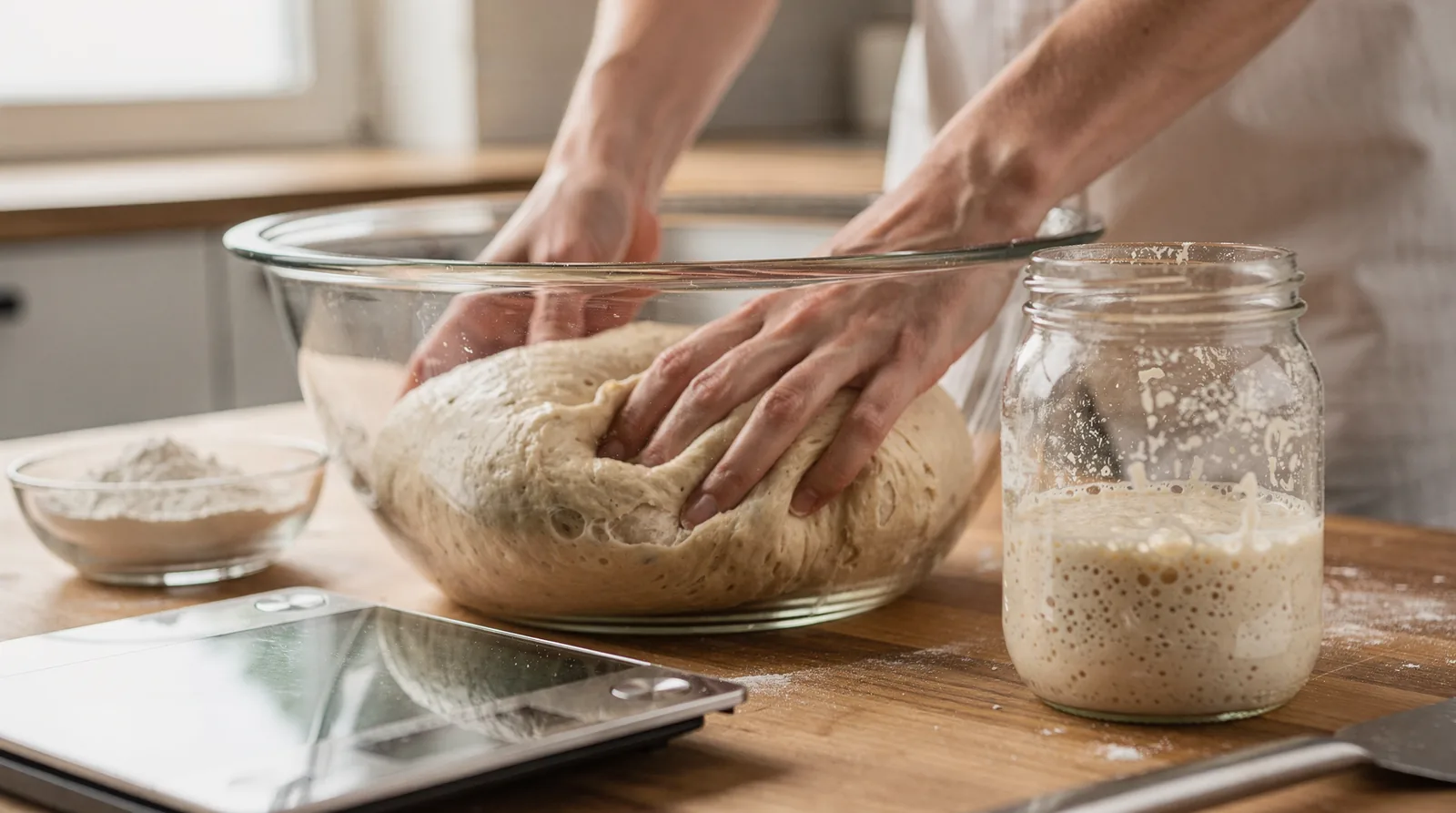
Discard turns into batters, noodles, crackers, and soft cakes. Its hydration and age guide the recipe choice. Same-day discard gives a mild taste. Overnight discard brings deeper flavor and a stronger aroma. Einkorn can work in some discard batters, while rye adds a more pronounced taste. Tartine-inspired discard ideas often make room for long fermentation.
Try yogurt cupcakes, spinach pasta, waffles, crackers, and cinnamon rolls. Pakora also gives discard a savory role. Mix discard with vegetables and spices for a crisp pakora inspired by Indian cuisine. A second pakora version can use onions, herbs, and a thicker batter. These ideas show how Indian cuisine can guide practical sourdough cooking. Einkorn can add a delicate flavor to a sweet bake. Rye brings depth to crackers, and tartine methods offer useful inspiration for fermentation. Yeast is not usually needed when discard is used only for flavor.
Discard also works in chocolate cake, banana bread, cookies, and pizza dough. Keep hydration in mind when adding discard to a familiar formula. Extra hydration may require more bread flour. Balanced hydration keeps the crumb tender without making the batter loose. A softer crumb often comes from matching the flour to the batter. Whole wheat flour can add body, while einkorn may create a more tender crumb.
Discard recipes can ferment overnight or bake the same day. Overnight bulk fermentation deepens flavor and softens some doughs. Same-day baking gives quick results for busy households. Either choice can produce sourdough bread, crackers, or dessert with useful tang. A well-timed ferment can improve the crumb. The crumb should stay tender rather than gummy. A rye addition can make the crumb denser, and careful hydration protects it.
Techniques That Improve Flavor and Texture
Good sourdough bread depends on water, flour, temperature, and timing. Filtered water protects the sourdough starter during feeding. Bread flour gives dough enough strength for a steady rise. Careful hydration helps the dough hold shape. A baker's percentage makes each ingredient easier to compare. Whole wheat flour can shift the dough's water needs. Einkorn needs a gentle hand when the crumb matters. Rye contributes flavor but can reduce dough strength. Tartine formulas often show how fermentation and shaping work together.
Use an autolyse when the dough needs better strength. The autolyse lets flour absorb water before mixing. Follow with a stretch and fold during bulk fermentation. Repeat the stretch and fold until the dough feels smoother. A levain can be mixed in after the rest. Whole wheat flour may need extra absorption time. Einkorn can make the crumb soft, so avoid overmixing. Yeast activity still depends on a healthy culture and a warm enough dough.
Hydration changes handling from one flour brand to another. Record hydration, room temperature, and fermentation time. That record helps you repeat a successful sourdough bread bake. It also shows why one dough may rise faster than another. A fuller crumb may result from whole wheat flour. Einkorn can produce a delicate crumb when handled gently. Rye often creates a tighter crumb. Tartine-style timing can deepen flavor without making the crumb heavy.
| Goal | Helpful choice | What to watch |
|---|---|---|
| Strong sourdough bread | Bread flour and moderate hydration | Steady rise during bulk fermentation |
| Open crumb | Higher hydration and gentle folds | Sticky dough and careful shaping |
| Easy shaping | Lower hydration and a firm dough | Shorter bulk fermentation |
| Crisp crust | Hot Dutch oven and parchment paper | Strong oven spring |
Hydration deserves attention in every formula. A change in hydration changes mixing, shaping, and proof time. Bulk fermentation also changes with hydration. Watch the dough, then adjust the next sourdough bread bake. Whole wheat flour may require a modest water adjustment. Einkorn can change the crumb quickly. Rye may make the crumb feel more compact. Tartine approaches often rely on close attention to dough feel. A balanced crumb comes from several small choices.
For deeper flavor, allow enough bulk fermentation before shaping. Do not rush the rise when the dough still feels dense. A proper proof follows shaping. The final proof should leave the dough puffy but supported.
Build a Useful Starter Recipe Rotation
A useful rotation covers breakfast, snacks, dinner, and dessert. Keep pancakes and waffles for fresh discard. Save crackers and pakora for older discard. Reserve active sourdough starter for sourdough bread, rolls, and pizza. Einkorn can suit a gentle breakfast bake. Tartine techniques can inform a weekend loaf. Rye works well when a darker flavor suits the recipe.
Try this simple cookie formula with active sourdough starter:
- Active sourdough starter, fed and bubbly
- All-purpose flour or bread flour
- Softened butter
- Brown sugar and granulated sugar
- One egg
- Chocolate chips
- A pinch of salt and baking soda
Cream the butter and sugars until fluffy. Mix in the egg and starter. Fold in flour, salt, and baking soda. Stir in chocolate chips. Scoop the dough onto parchment paper. Bake until the edges turn golden.
Refreshing your supply keeps the top sourdough recipes in reach. Order online when the jar runs low. Bubba Goodcrumb ships starter directly to bakers nationwide. Read the care guide before beginning your next bake.
Storage and Serving Notes
Serve sourdough bread on baking day for its lightest crumb. Wrap leftovers well after they cool. Freeze rolls and crackers in sealed containers. Store cakes and cookies according to their ingredients. Einkorn can keep a soft crumb in some cakes, so cool those bakes fully before wrapping.
Fresh discard suits same-day recipes with light tang. Older discard works well in crackers, pizza dough, and pakora. Keep separate containers if you bake often. This system makes hydration and age easier to track.
When starter runs low, plan the next feeding before mixing dough. A healthy rise starts with an active sourdough starter. Good timing supports proof, bulk fermentation, and final texture. It also keeps sourdough bread from waiting on the counter.
FAQ
What is the difference between active starter and discard?
Active sourdough starter has recently fed and bubbles with activity. It can leaven sourdough bread within about 24 hours. Discard comes from the portion removed before feeding. It suits recipes that need flavor more than rise.
Which recipes use active starter versus discard?
Classic boules, pizza dough, cinnamon rolls, and sourdough bread use active starter. Pancakes, crackers, waffles, cakes, and pakora use discard. Choose by age, hydration, and the texture you want.
Why does water quality matter?
Chlorinated or mineral-heavy water can slow a sourdough starter. Filtered or dechlorinated water supports steadier feeding. It also helps hydration stay consistent. That consistency improves bulk fermentation and rise. Salt levels can also affect how the dough develops.
How do you get better oven spring?
Use strong bread flour, proper proof, and a fully heated Dutch oven. Score the dough with a bread lame. Bake sourdough bread on parchment paper when needed. These steps protect shape and encourage oven spring.
Where can bakers find more guidance?
Explore the starter collection and read the care guide before baking. You can also browse the Bubba Goodcrumb blog for practical ideas. A steady method turns every sourdough starter into something worth sharing.
Good sourdough baking turns patience into something warm, crisp, and worth repeating.
About Bubba Goodcrumb
Sharing practical sourdough guidance from the Bubba Goodcrumb kitchen in Las Vegas.
More from Bubba
Related reading
Sourdough Troubleshooting Checklist: Fix Common Problems
Use this sourdough troubleshooting checklist to fix weak starter, low hydration, poor rise, gummy texture, shaping, crust, and flavor problems.
Sourdough Starter Gifts: Ship Safely This Holiday
Learn how to gift sourdough starter kits safely this vacation season. Bubba Goodcrumb shares shipping tips, care guides, and gift ideas for bread lovers.
The Complete Sourdough Baking Process Guide
Master sourdough baking from starter to finished loaf. Bubba Goodcrumb's complete guide covers feeding, fermentation, shaping, and proofing for home bakers.