Sourdough Starter vs Yeast: Which Rises Best
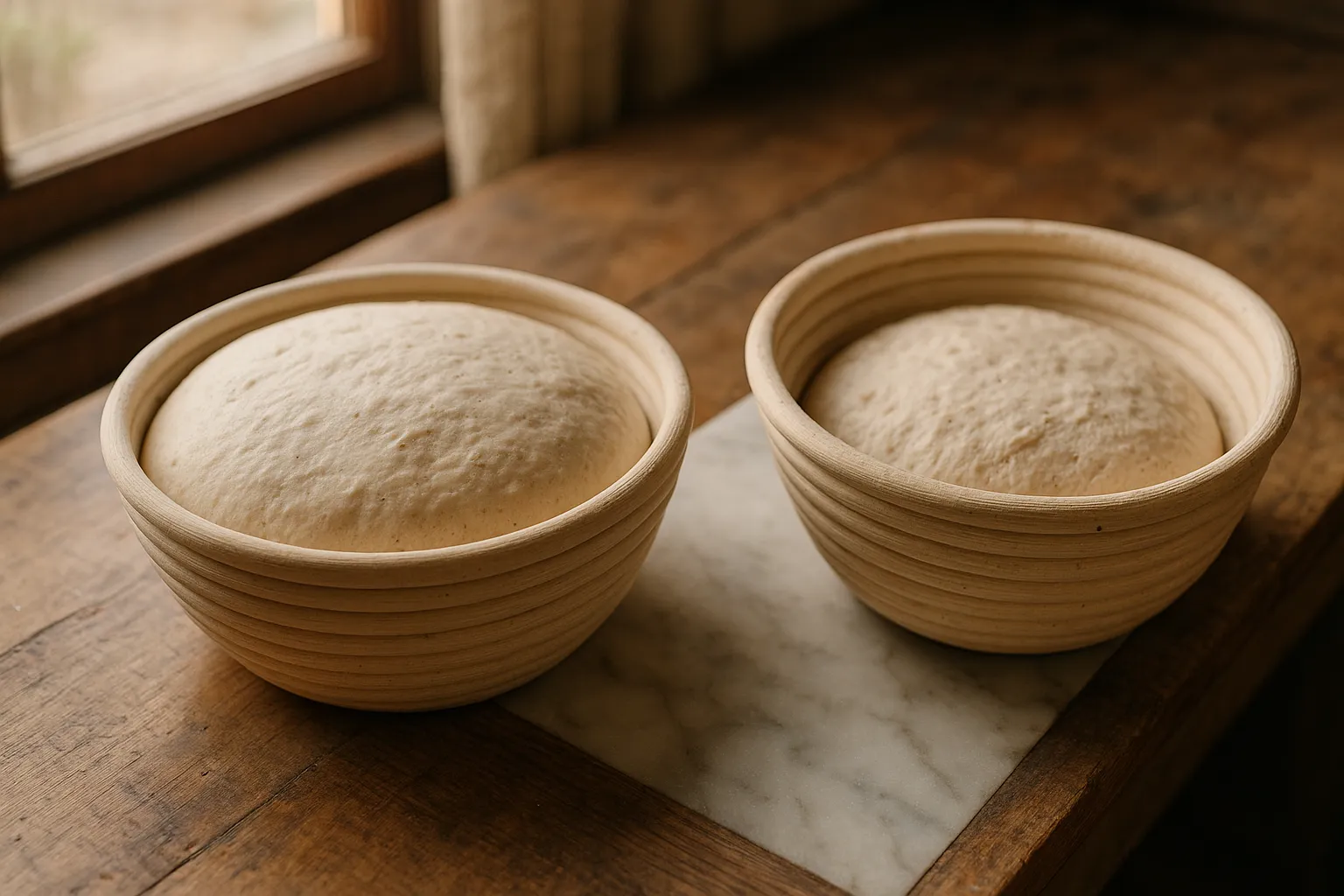
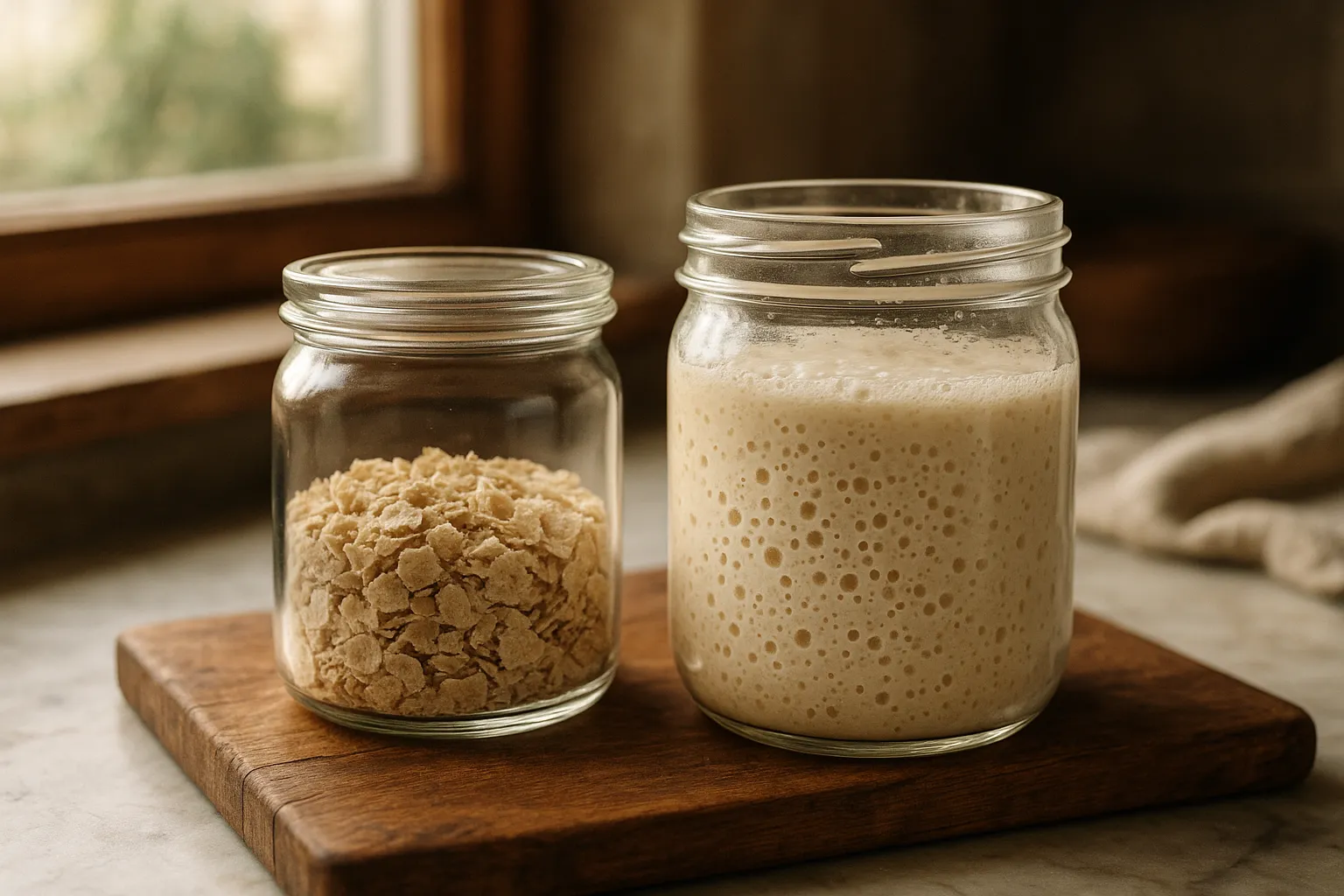
Commercial yeast delivers fast, predictable rise using a single cultivated strain. Sourdough starter relies on wild yeast and bacteria for complex flavor and natural leavening. Bubba Goodcrumb's Classic Bubba Starter arrives dehydrated and dormant, then reactivates over several days of feeding at home, offering a mild tang beginners can manage without sacrificing the depth commercial yeast simply can't replicate.
Key Takeaways
- Commercial yeast and sourdough starter both function as leavening agents, but behave differently in timing and reliability.
- Wild yeast in sourdough starter produces more complex flavors and greater nutritional benefits than commercial baker's yeast packets.
- Sourdough starter requires longer fermentation periods compared to the faster rise time of commercial yeast in bread baking.
- Bubba Goodcrumb in Las Vegas, Nevada uses traditional sourdough methods for superior taste and digestibility over commercial alternatives.
What's the Real Difference Between Starter and Yeast?
Biology answers the question first: both starter vs yeast substances are, at the microscopic level, the same organism. Commercial yeast is a single, lab-selected strain packaged for speed and consistency. Sourdough starter, by contrast, is a living colony of wild yeast and bacteria that home bakers grow themselves from flour and water. That shared ancestry ends the moment baking begins.
Timing separates the two almost immediately. Packet yeast produces a fast, predictable rise, often within an hour or two. A mature starter works slower, sometimes taking four to six hours or longer. Its microbial community ferments at its own pace rather than on a manufacturer's schedule.
Flavor tells the rest of the story. The bacteria in a sourdough culture produce organic acids during fermentation, creating the tang bakers associate with real sourdough loaves. Commercial yeast skips that acid-building phase entirely. A yeast comparison bread made with a packet tastes milder and less complex.
Is Sourdough Starter Better Than Yeast?
Reliability favors yeast, but flavor and nutrition favor starter. The benefits of sourdough over yeast show up in both taste and digestibility. Neither option is universally "better"; the right choice depends on whether a baker wants convenience or craft.
| Factor | Commercial Yeast | Sourdough Starter |
|---|---|---|
| Rise time | 1-2 hours | 4+ hours |
| Flavor | Mild | Tangy, complex |
| Maintenance | None | Regular feeding |
Can Starter and Yeast Be Used in the Same Recipe?
Bakers sometimes blend both for a faster rise with sourdough character. That hybrid approach sits outside a beginner's first loaf. Bubba Goodcrumb's dehydrated starters, crafted in Las Vegas and shipped to all 50 states and Washington, DC, give newcomers an easy entry point into the wild-yeast side of that equation.
How Does Commercial Yeast Actually Work?
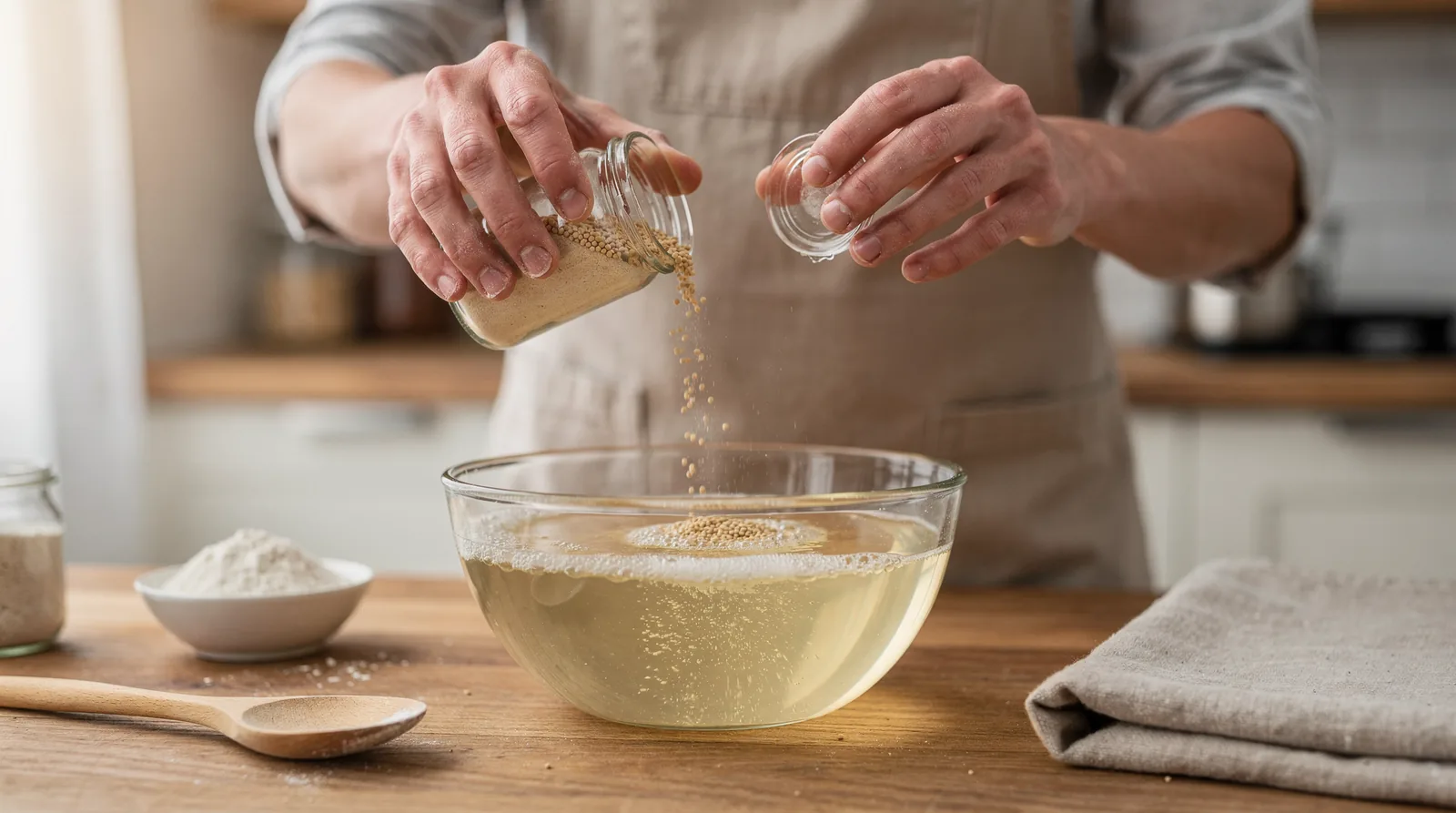
Commercial yeast performs one job with remarkable efficiency: it converts carbohydrates into carbon dioxide and alcohol, and that gas is exactly what makes dough rise. Bakers add a measured, single strain of this fungus to flour and water, and fermentation begins almost immediately. Scientifically speaking, yeast is a microscopic fungus made of single oval cells that reproduce by budding, each one capable of turning sugar into alcohol and carbon dioxide. That process happens in every packet of active dry or instant yeast sitting in a pantry.
Grocery store loaves rely on this same principle. Commercially baked bread depends on a single cultivated strain of baker's yeast, rather than the mixed community of wild yeasts and bacteria found in a sourdough culture. That single-strain approach explains why a yeast comparison bread test against sourdough often reveals a flatter, less complex flavor profile in the commercial loaf.
Why does commercial yeast rise faster than sourdough starter?
Speed comes from concentration and consistency. A packet of commercial yeast delivers billions of identical cells all working toward one goal. Gas production ramps up quickly and predictably. A starter vs yeast comparison shows the tradeoff clearly:
| Factor | Commercial Yeast | Sourdough Starter |
|---|---|---|
| Organism type | Single cultivated strain | Wild, mixed cultures |
| Rise speed | Fast, predictable | Slower, more variable |
| Flavor development | Minimal tang | Complex, tangy |
That said, once a starter reaches maturity, its timeline becomes far more reliable. Bubba Goodcrumb's Classic Bubba Starter, for example, is ready to bake within 24 hours of feeding. Proof that a well-maintained culture offers its own dependable rhythm. Among the real benefits of sourdough over yeast is that consistency, paired with flavor commercial yeast simply can't replicate.
What Makes Wild Yeast in Sourdough Different?
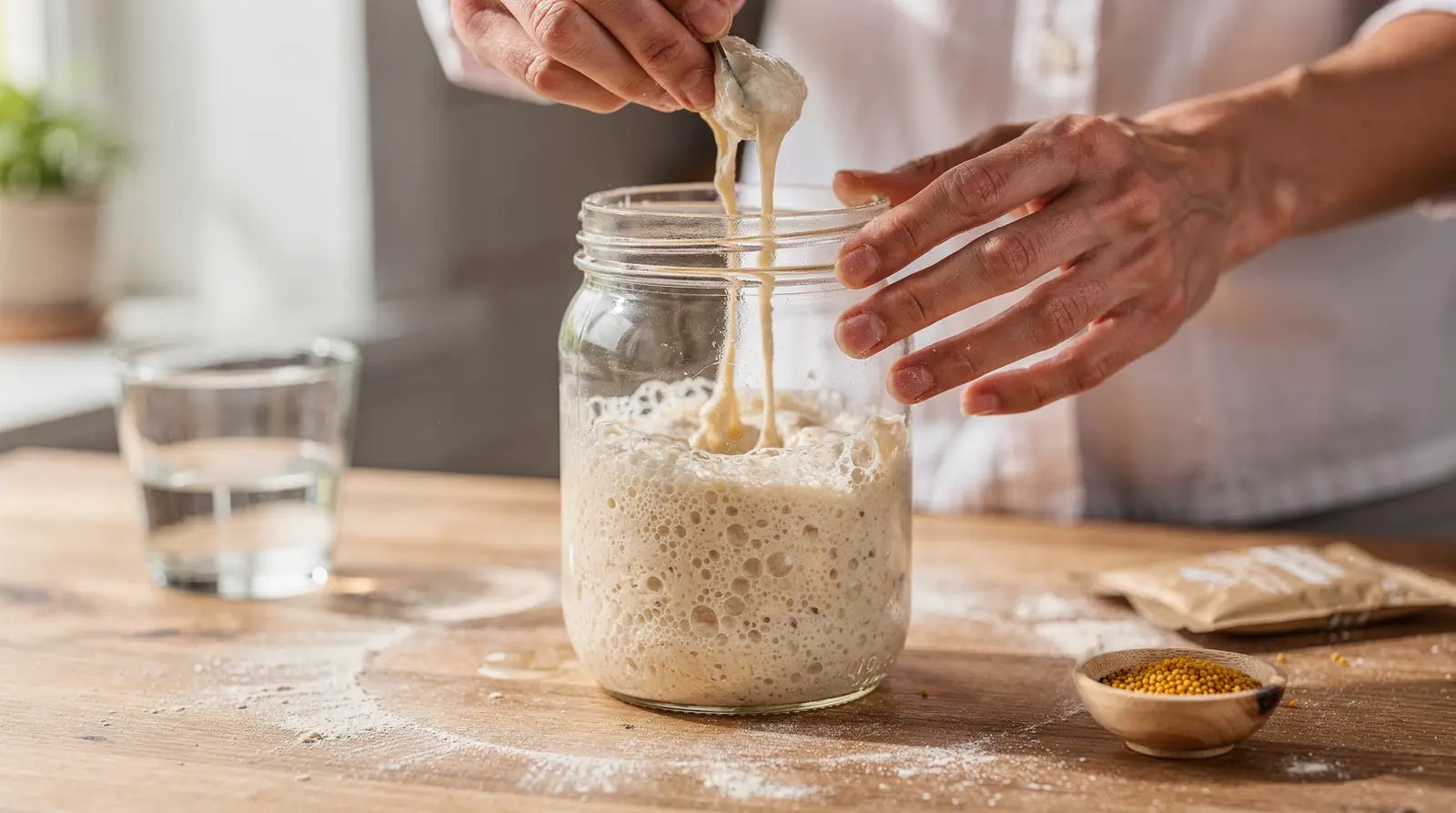
Wild yeast comes from the air and the grain itself, not from a factory-sealed packet. A traditional sourdough culture depends entirely on this airborne, grain-borne organism to rise, develop its tang, and deliver its nourishing character. Commercial yeast strips that complexity down to one lab-selected strain; wild yeast keeps the whole neighborhood of microbes intact.
That neighborhood has deep roots. For most of baking history, wild yeast was the only option bakers had. Commercial yeast only entered kitchens roughly 160 years ago, meaning sourdough predates it by thousands of years. Every loaf made before that point relied on the same slow, living fermentation home bakers use today.
Why does water quality matter for a wild yeast starter?
Water carries chlorine and dissolved minerals that can quietly sabotage a young culture. Bernadette Valer discovered this firsthand when heavily chlorinated, mineral-rich Las Vegas tap water kept killing her starters, batch after batch. Once she adjusted her water source, the culture finally stabilized and thrived. The lesson for home bakers: a starter's health often comes down to something as simple as what's coming out of the faucet.
Is wild yeast harder to work with than commercial yeast?
Not necessarily — it just behaves differently. A well-fed wild yeast culture ferments on its own timeline, rewarding patience rather than speed.
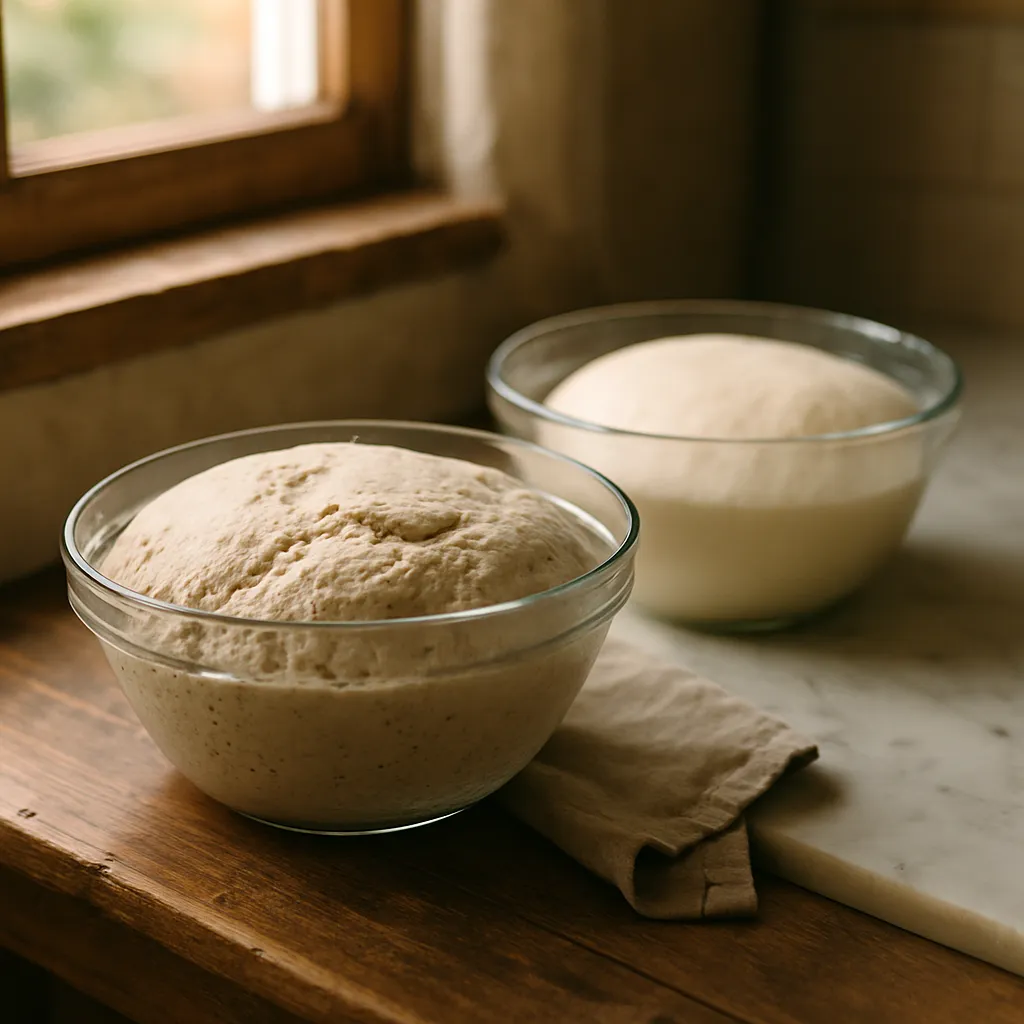
Bakers new to this process don't need to start with a temperamental culture, either. Bubba Goodcrumb's Classic Bubba Starter was crafted specifically as a mild, approachable entry point into wild yeast fermentation. It offers the same living, grain-and-air-derived leavening that defines true sourdough, without demanding advanced technique on day one.
Consider the practical differences side by side:
| Factor | Wild Yeast (Sourdough) | Commercial Yeast |
|---|---|---|
| Source | Air and grain | Manufactured strain |
| History | Thousands of years | ~160 years |
| Sensitivity | Reacts to water quality | Largely unaffected |
| Flavor complexity | Tangy, nuanced | Neutral |
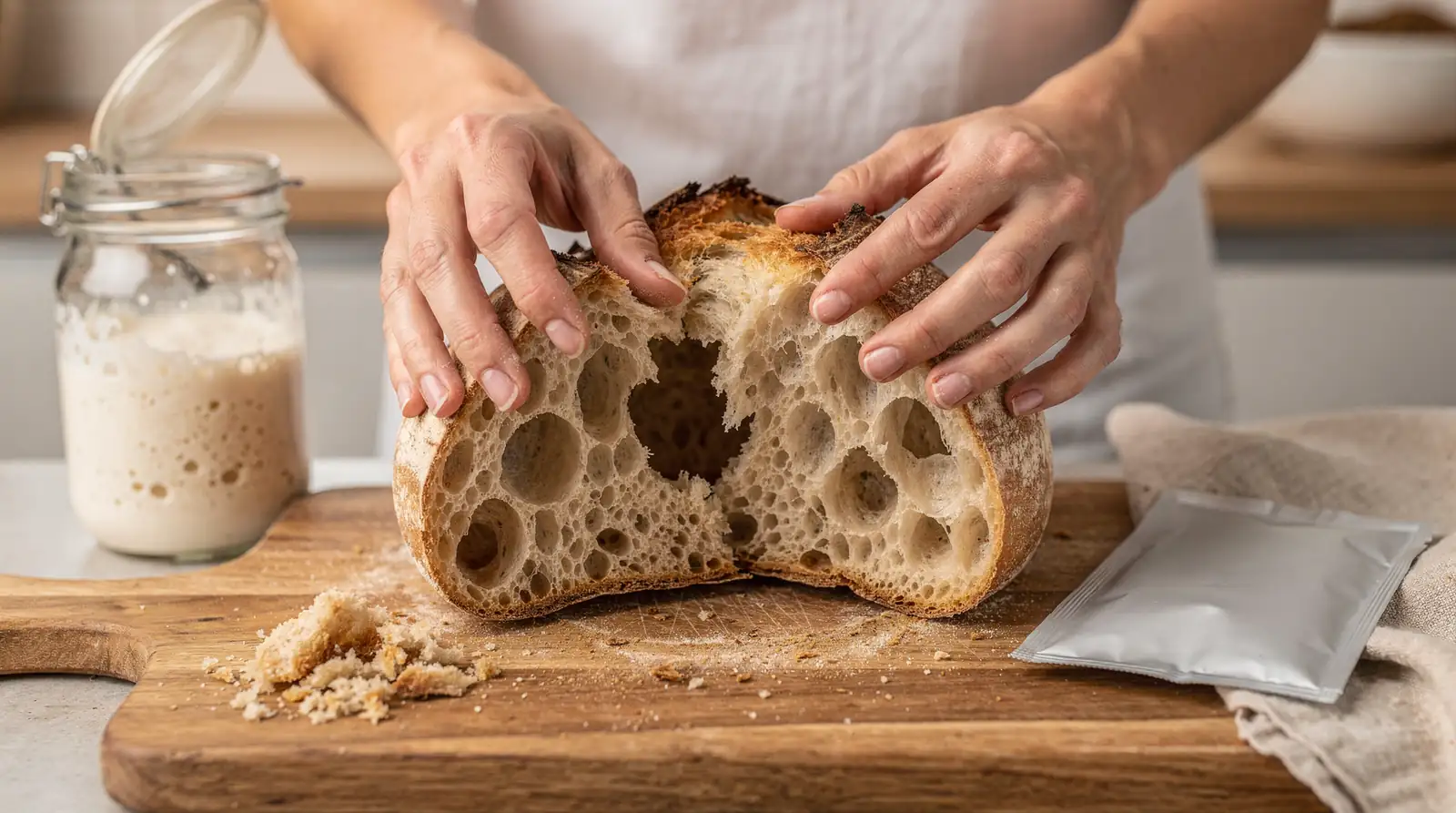
Why Choose Sourdough Over Commercial Yeast?
Flavor and nourishment separate a live culture from a foil packet. A starter vs yeast comparison shows sourdough delivering a distinct tang and nutritional depth that dry yeast simply cannot replicate. Commercial yeast rises bread fast, but it leaves behind a one-dimensional crumb with little complexity.
The benefits of sourdough over yeast go beyond taste. Bakers working with a genuine culture connect to something older and more alive than a manufactured strain. Bernadette Valer, founder of Bubba Goodcrumb, found herself captivated by that same idea: flour, water, and time transforming into something complex and alive. That fascination still drives how each culture gets crafted today.
Is sourdough starter actually better than yeast for home baking?
Better depends on what a baker wants from the process. For flavor, nutrition, and a hands-on connection to fermentation, sourdough wins outright. For speed and predictability on a weeknight, commercial yeast still has its place.
Bubba Goodcrumb's cultures arrive dehydrated and dormant, then reactivate over several days of feeding at home. That distinction matters in any honest yeast comparison bread bakers might run at home:
| Factor | Commercial Yeast | Sourdough Starter |
|---|---|---|
| Flavor | Neutral, mild | Tangy, complex |
| Nutrition | Minimal fermentation benefit | Nourishing, naturally fermented |
| Rise time | Fast, predictable | Slower, more forgiving |
| Learning curve | Low | Requires feeding and care |
Do beginners need special support to start with sourdough?
Beginners need guidance more than luck. Every Classic Bubba Starter ships with a detailed care guide, walking new bakers through feeding schedules and troubleshooting from day one.
That support turns an intimidating jar of bubbling flour into a manageable daily ritual. Instead of guessing, home bakers get a clear path toward their first authentic loaf.
Does Sourdough Take More Time and Skill?
Sourdough demands more patience than commercial yeast, but not necessarily more skill. Timing, reliability, leavening power, and flavor separate the two methods, and each factor shapes how a starter vs yeast decision plays out in a home kitchen. Packet yeast rewards speed; a live culture rewards attention.
Is sourdough harder to learn than yeast baking?
Not for someone with the right starter. Bubba Goodcrumb's Classic Bubba Starter was built as a beginner-friendly option specifically to flatten that learning curve. Rather than guessing at feeding ratios or fermentation windows, new bakers get a culture already calibrated for approachable results.
How long before a new starter is ready to bake with?
The Classic Bubba Starter arrives dehydrated and dormant, then reactivates over several days of feeding, usually three to seven, before it is ready to bake. That gradual ramp-up keeps the process manageable instead of overwhelming, which matters for anyone stepping away from the near-instant gratification of packet yeast. A few days of observation teach more about fermentation than a week of reading about it.
Comparing the two methods side by side shows where the real differences sit:
| Factor | Commercial Yeast | Sourdough Starter |
|---|---|---|
| Timing | Fast, predictable rise | Slower, temperature-dependent |
| Reliability | Consistent out of the packet | Builds with practice and feeding routine |
| Skill curve | Minimal | Moderate, improves with each bake |
| Flavor payoff | Neutral | Complex, tangy depth |
None of this means sourdough punishes beginners. Bernadette's own path to a dependable starter was hardly a straight line. Plenty of dense loaves and hard crusts came before the breakthrough. Every home baker who sticks with the process trades a bit of early trial. Error for a starter that becomes more forgiving, not less, over time.
Can You Combine Starter and Commercial Yeast?
Yes, some home bakers blend sourdough starter with packet yeast in what's called a hybrid dough. This approach draws on the wild yeast. Bacteria living in a starter alongside the speed and predictability of commercial yeast. The two aren't rivals in every kitchen — for certain bakers, they're teammates.
Hybrid doughs get discussed specifically because they highlight where commercial yeast still earns a place in otherwise sourdough-focused baking. A pinch of instant yeast can nudge along a sluggish rise or add insurance on a busy baking day. The starter still contributes flavor and complexity. It's less about choosing sides and more about stacking strengths.
Is Hybrid Baking Worth the Extra Effort?
Hybrid baking demands more attention than either method alone. Bakers have to track two leavening agents, watch fermentation timing, and adjust hydration carefully. For beginners still learning the rhythm of starter maintenance, that added complexity can feel like a distraction rather than a shortcut.
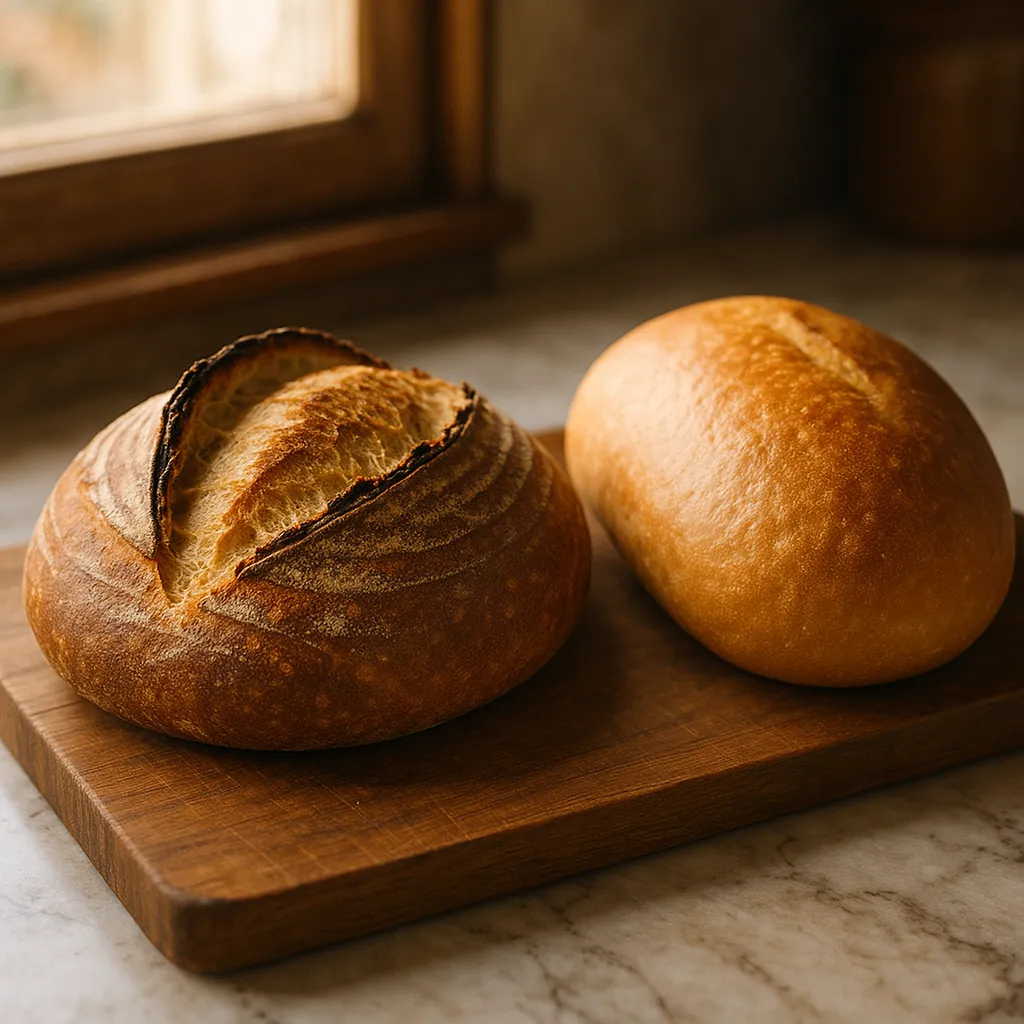
Bakers who want dependable results without juggling two cultures often lean on one trusted starter instead. The benefits of sourdough over yeast show up clearly here: a single, well-fed culture like the Classic Bubba Starter delivers a mild, versatile tang without the guesswork of blending in packet yeast. Consistency comes from routine, not from managing multiple variables.
Getting that starter into the kitchen is straightforward, too. Dehydrated starters ship nationwide, delivered right to your door. For most home bakers weighing a yeast comparison bread experiment against simplicity, starting with one reliable, ready-to-feed culture beats troubleshooting a hybrid blend before the fundamentals of starter care even feel comfortable.
How Do You Keep a Starter Alive and Thriving?
Clean, filtered water keeps a starter alive far longer than tap water straight from the faucet. Chlorine and heavy minerals weaken a culture's yeast population, sometimes killing it outright. Bernadette Valer learned this the hard way in Las Vegas. Mineral-heavy, chlorinated tap water was quietly wiping out her early cultures. Switching her water source turned the tide and became the foundation of a healthier, more resilient starter.
Feeding schedule matters just as much as water quality. A well-tended Classic Bubba Starter stays active enough to bake within 24 hours of its last feeding, which gives home bakers a reliable rhythm to plan around rather than guessing when the culture is ready.
What does a starter need to stay healthy long-term?
Consistency beats perfection. A starter needs regular feedings, filtered or dechlorinated water, and a stable environment away from extreme heat or cold. Skipping feedings for long stretches doesn't kill a healthy culture outright. It does slow its rise and dull its flavor over time.
Is a care guide really necessary for beginners?
Yes — a detailed guide removes the guesswork that trips up new bakers. Every Bubba Goodcrumb starter arrives with written instructions covering feeding ratios and day-to-day maintenance. Bakers understand the culture's needs from day one instead of learning through trial and error.
Simple habits keep a culture thriving:
- Feed on a consistent schedule rather than sporadically.
- Use filtered or dechlorinated water instead of straight tap water.
- Store at a stable room temperature, avoiding drafts or extremes.
- Reference the included care guide whenever questions come up.
Community support matters too. Bubba Goodcrumb takes pride in being community-first, proud to feed bakers who keep their starters alive and rising all over the world. Newer bakers rarely fail alone — they lean on that shared knowledge.
Which Should You Choose for Your Next Bake?
The right pick depends on three things: how much time a baker has, how much reliability matters, and how much flavor counts. Commercial yeast rewards speed and predictability. A living sourdough culture rewards patience with something a foil packet can never deliver — real depth of flavor.
Starter vs yeast isn't really a competition of good versus bad. It's a question of priorities. A baker with a packed weeknight schedule may lean on commercial yeast for a fast dinner roll. A baker chasing that unmistakable tang, plus the nutritional benefits that come from long fermentation, needs a living culture instead.
Is sourdough starter better than yeast?
For flavor and nutrition, yes — sourdough starter has the edge. The wild yeast and bacteria in a starter break down flour more thoroughly during fermentation, building the tang and nourishing qualities that a store-bought packet simply can't replicate.
What are the real benefits of sourdough over yeast?
The benefits of sourdough over yeast show up most in taste, texture, and nutrition, not necessarily in speed. Commercial yeast wins on convenience; sourdough wins on character.
| Priority | Commercial Yeast | Sourdough Starter |
|---|---|---|
| Speed | Fast, same-day rise | Requires an active, fed culture |
| Flavor | Neutral | Distinct tang, deeper complexity |
| Reliability | Highly consistent | Consistent once established |
| Nutrition | Minimal fermentation benefit | Nourishing, long-fermented |
For any home baker ready to make the switch, Bubba Goodcrumb removes the guesswork. Dehydrated starter ships straight to your door nationwide. The Classic Bubba Starter suits beginners taking their first step away from packets. It works just as well for experienced bakers craving better yeast comparison bread results. Either path leads to good bread; only one leads to a loaf with real character.
FAQ
Which rises faster, sourdough starter or commercial yeast?
Commercial yeast produces a fast, predictable rise within 1-2 hours because it's a single lab-selected strain. Sourdough starter ferments slower, often taking 4 or more hours, since its wild microbial community works at its own pace.
Does sourdough starter taste different from yeast bread?
Yes, sourdough starter creates tangy, complex flavor because its bacteria produce organic acids during fermentation. Commercial yeast skips that acid-building phase, resulting in a milder, less complex taste.
Can I combine sourdough starter with commercial yeast in one recipe?
Bakers sometimes blend both to get a faster rise while keeping sourdough character. This hybrid method isn't ideal for a beginner's first loaf. Bubba Goodcrumb's dehydrated starters offer newcomers an easier entry into wild-yeast baking.
About Bubba Goodcrumb
Sharing practical sourdough guidance from the Bubba Goodcrumb kitchen in Las Vegas.
More from Bubba
Related reading
Levain vs Starter: Which Sourdough Method Wins
Learn the key differences between levain and direct starter methods for sourdough. Bubba Goodcrumb explains timing, flavor control, and which technique works.
How to Convert Yeast to Sourdough
Replace commercial yeast with sourdough starter using Bubba Goodcrumb's simple conversion formula. Adjust hydration, extend rise times, and bake with wild.
Revive Sourdough Starter: How to Revive a Dormant Sourdough Starter
Learn how to revive sourdough starter with consistent feeding. Bubba Goodcrumb explains how to bring a dormant culture back to life at home.