How To Feed Sourdough Starter Daily and Weekly
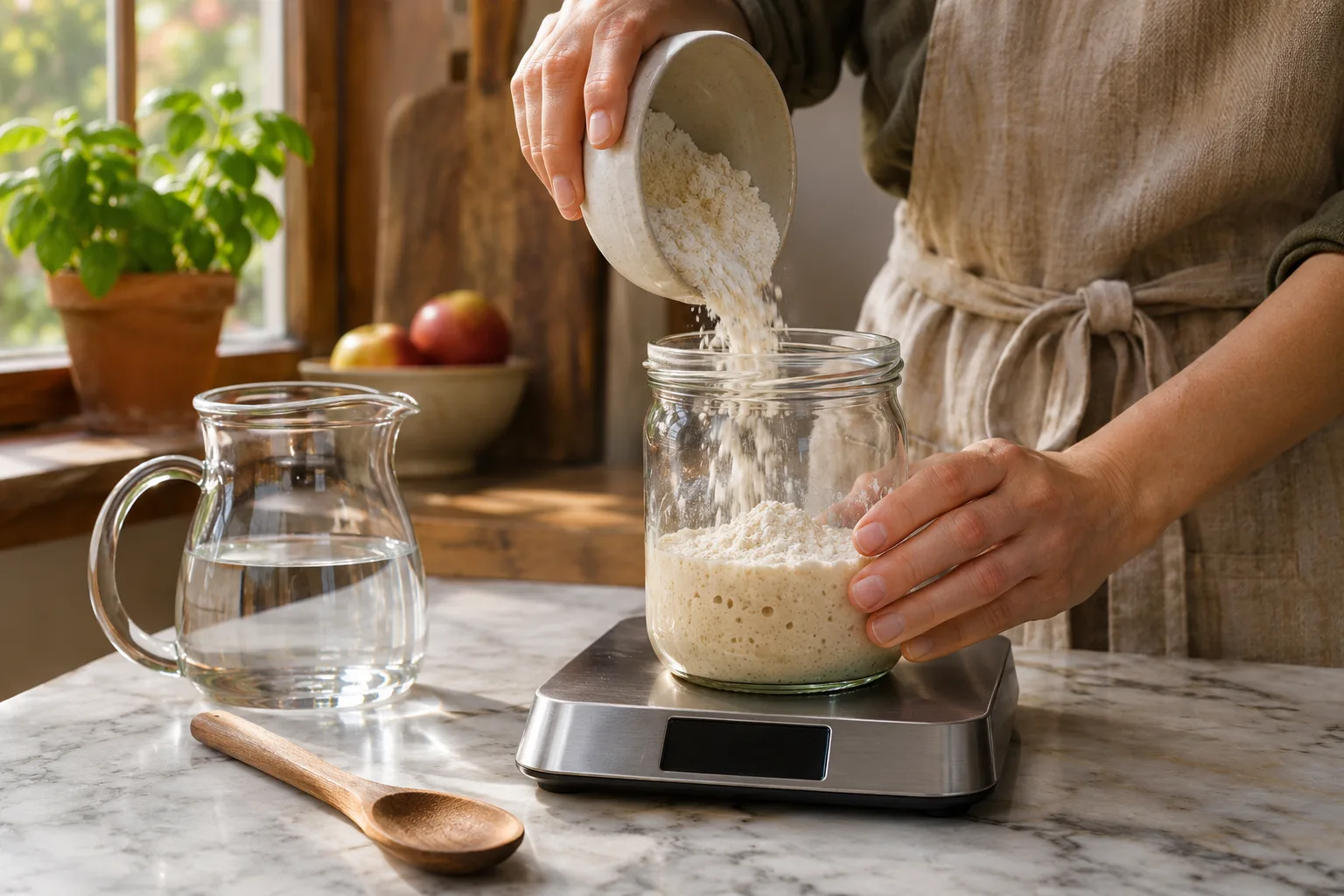
A starter that barely rises can turn a promising loaf into a flat, dense disappointment. Learning how to feed sourdough starter cultures gives home bakers a dependable way to protect flavor, rise, and texture. At room temperature, feed every 12 to 24 hours with a 1:1:1 ratio of starter, flour, and water. This feeding ratio works well before mixing dough and heating the oven. A well-preheated oven also supports an even bake. For weekly maintenance, refrigerate the culture and refresh it about once every seven days. A sourdough starter feeding chart can make this baking routine easier to follow.
Sustainable care follows two paths. Room-temperature bakers feed daily, while refrigerated cultures need a weekly refresh. Bubba Goodcrumb's Classic Bubba Starter activates within 24 hours of feeding and offers a mild, forgiving base for sourdough bread, whether you are maintaining a liquid sourdough starter or preparing a levain. A sourdough starter feeding reminder can keep either routine clear.
Key Takeaways From This Guide
- Keep the sourdough starter in a 450 to 500 ml wide-mouth container for easy stirring and cleaning.
- Maintain no more than 200 grams of sourdough starter in the container at one time.
- Use strong flour, all-purpose flour, or rye flour with dechlorinated water according to your routine.
- A liquid sourdough starter usually suits daily care, while a stiff starter can slow ferment activity.
- Daily feeding suits frequent bread baking. Weekly feeding suits refrigerated storage.
Start With the Right Tools and a Live Culture
A successful routine begins with a live, active sourdough starter, not a dormant one. Skipping this foundation can leave home bakers guessing for weeks. A Classic Bubba Starter arrives as a live culture, so the groundwork is already in place before the first feeding. The right container also makes baking days calmer.
Gather a clean glass container with a wide opening, a digital kitchen scale, a rubber spatula or butter knife, and fresh flour. A kitchen scale gives each sourdough starter feeding dependable consistency. Strong flour gives a liquid starter reliable structure. Bread flour can provide a sturdy option when you plan dough for the oven. Gluten development also benefits from choosing flour that suits the dough. All-purpose flour works well for everyday baking, and rye flour can add minerals and activity when the culture needs encouragement. Whole wheat flour can also support a lively sourdough starter, especially during recovery. Dechlorinated water is a dependable choice, while filtered water is another practical option.
Keep the Jar Manageable
Most home bakers do best with about 200 grams of sourdough starter in the container. Smaller amounts ferment more evenly and waste less flour. A wide opening also makes it easier to stir flour and water into the sourdough starter without leaving residue along the sides. A bowl is useful when you need to combine a larger levain for baking. A second bowl can hold ingredients while you prepare the mixture.
A weck jar is another practical container for sourdough starter care. Choose any clean container that leaves room for the culture to rise. Mark the container with a rubber band after feeding, then use a second rubber band when preparing a levain. The rubber band makes growth easier to read during baking.
- Place the container on a level counter.
- Keep a kitchen scale beside the container.
- Use a bowl when mixing a larger levain.
- Leave headspace for the sourdough starter to ferment and rise.
- Mark the level with a rubber band after every feeding.
The Classic Bubba Starter reaches baking readiness within 24 hours of its first feeding. Plan dough mixing and loaf preparation around that window instead of guessing. Each jar also ships with a detailed care guide that explains starter feeding, storage, and recovery. For more ideas about using a mature culture, explore this sourdough baking guide.
Use a Simple Standard Feeding
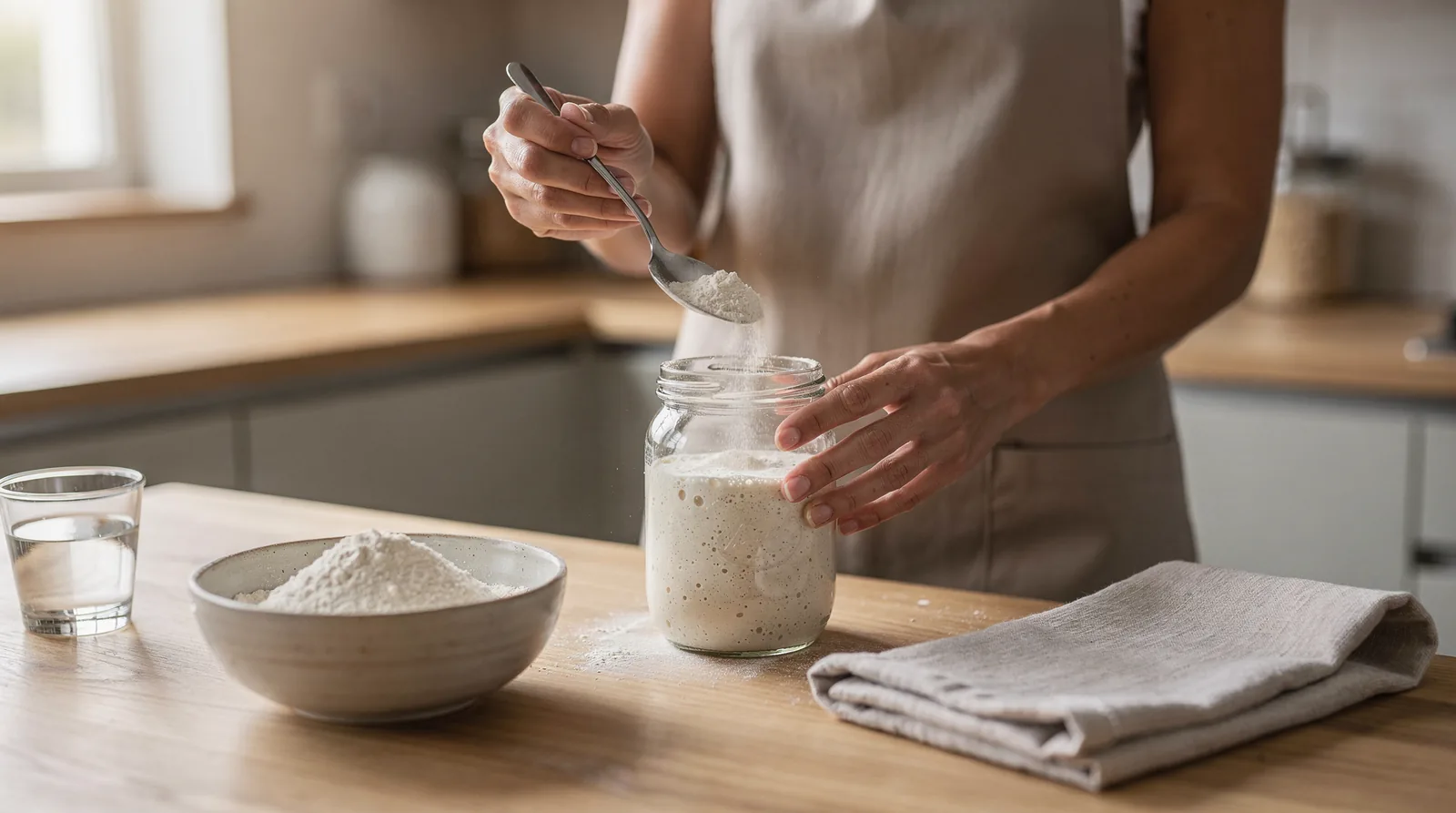
If you are wondering how do you feed a sour dough starter, begin with a clean container, a kitchen scale, fresh flour, and water. The process combines the existing sourdough starter with new food on a schedule that fits your kitchen. Climate, flour type, and baking frequency all influence the best routine. To feed the sourdough starter, measure each ingredient before mixing. A steady feeding ratio helps keep the culture predictable.
For anyone asking how do i feed my sour dough starter, the answer is straightforward: keep a measured portion, add flour and water by weight, and give the mixture time to ferment. A liquid starter uses equal parts in the classic 1:1:1 proportion. A levain follows the same principle but is usually built in a separate container for a specific loaf. The feeding ratio can stay simple even when the final dough changes.
Follow these steps for a standard feeding:
- Discard all but a small portion of the existing sourdough starter.
- Add fresh strong flour and dechlorinated water in equal parts by weight.
- Stir until no dry flour remains, then check the consistency.
- Cover the container loosely and leave it at room temperature until bubbly and risen.
Jar shape matters. Straight-sided glass makes it easier to monitor a liquid sourdough starter and scrape away old residue. Mark the level after each feeding with a rubber band so you can see when the culture doubles or falls. This simple habit improves consistency from one baking session to the next. Bread flour may make the mixture feel stronger as it ferments.
Allow Time for the Culture to Mature
The Classic Bubba Starter can reach readiness within 24 hours after a fresh feeding. That timing suits bakers who refresh the sourdough starter one evening and prepare sourdough bread the next day. Experienced bakers may adjust the proportion, flour, or temperature, but the basic discard, feed, and rest pattern remains the same. Fermentation continues while the dough waits for the oven.
Build a Daily Feeding Rhythm
A daily schedule works best for bakers who prepare bread often. At room temperature, wild yeast and bacteria use their food quickly. Another population of wild yeast may become more active as the kitchen warms. A sourdough starter left too long between feedings may weaken, become sharply acidic, and produce a sluggish loaf.
For an active baking habit, keep the sourdough starter on the counter and refresh it at a consistent time. A warm kitchen speeds ferment activity, while a cool kitchen slows it. Watch the rise rather than following the clock blindly. Use the same proportions to feed the sourdough starter whenever conditions stay similar. This feeding ratio is easy to repeat during a busy baking week.
A basic daily routine looks like this:
- Discard a portion, keeping a measured amount as the base.
- Add equal weights of strong flour and dechlorinated water.
- Stir thoroughly and scrape the container sides.
- Cover loosely and leave the liquid sourdough starter at room temperature.
- Repeat at a similar time each day.
Daily feeding gives the sourdough starter fresh food before the yeast and bacteria exhaust their supply. Bakers who prepare several loaves each week benefit most. A consistent proportion also makes the aroma, bubbles, and rise easier to read. Good fermentation leaves the culture ready for dough and the oven.
Match the Flour to the Routine
A mild culture still needs regular care. Strong flour supports a sturdy liquid sourdough starter, bread flour offers another strong-gluten choice, all-purpose flour offers a versatile everyday option, and rye flour often ferments quickly because it contains more nutrients. Some bakers combine strong flour with rye flour when they want a livelier levain. The feeding ratio may remain unchanged when you switch among these flours.
Flour changes can alter the rise time. When switching from strong flour to another grain, watch the container closely. A rye-fed sourdough starter may peak sooner than one fed with all-purpose flour. Whole wheat flour can also change the hydration and consistency of the mixture. Fermentation may shift again when the dough reaches the oven.

Use Weekly Refrigerated Storage
Weekly feeding works well for bakers who prepare sourdough bread less often. Refrigeration slows ferment activity, so the sourdough starter does not need constant refreshment. Feed it about once every seven days, then return it to the refrigerator. This sourdough starter maintenance routine keeps weekly care simple. The feeding ratio can remain consistent when the jar returns to the cold.
A refrigerated liquid sourdough starter needs room-temperature attention before it goes into dough. Remove it from storage, let it lose its chill, discard a portion, and feed it with fresh flour and dechlorinated water. Filtered water can also suit a refresh when it is available. Repeat as needed until the culture rises predictably. This extra preparation helps restore strength and flavor. Before storage, feed the sourdough starter so it has fresh food for the week.
Choose a schedule based on your baking habits:
- Room temperature: Feed daily when you prepare bread several times per week.
- Refrigerated: Feed weekly when you make a loaf occasionally.
Neither path is wrong. The best proportion and schedule are the ones you can follow with consistency. Bubba Goodcrumb ships live cultures nationwide, giving home bakers a practical starting point for either routine. Consistent sourdough starter maintenance also makes changes easier to manage.
Measure Every Feeding Ratio by Weight
To understand how much to feed sour dough starter, compare the weight of the sourdough starter with the flour and water you add. A 1:1:1 proportion means equal weights of each ingredient. For example, 50 grams of starter receives 50 grams of strong flour and 50 grams of water. This feeding ratio gives the culture equal parts of starter, flour, and water.
Bakers asking how much to feed starter can use the same rule. Keep the total quantity manageable, then increase it when a levain or a larger bread formula requires more culture. If you wonder how much do i feed my starter, start with the amount needed for the next feeding and leave enough behind for continued maintenance. A feeding ratio also helps scale a levain without guesswork.
| Ratio | Effect |
|---|---|
| 1:1:1 | Fast rise and frequent feeding |
| 1:2:2 | Slower rise and a more forgiving schedule |
| 1:5:5 | Longer ferment before refrigeration |
A higher feeding proportion gives the culture more food and often extends the time before its peak. A lower proportion peaks sooner. Adjust the proportion for room temperature, flour choice, and the timing of the next loaf. The feeding ratio should serve the time available before baking.
Many bakers use a liquid sourdough starter for daily maintenance and build a levain for a particular bread. Others prefer a stiff starter with less water. A stiff starter ferments more slowly and can hold its shape, while a liquid starter makes bubbles and expansion easier to observe. Both can support flavorful sourdough bread when the proportion and timing remain consistent. Bread flour can also support a levain intended for a loaf with a strong structure.
Calculate the Amount Needed for Dough
The question how much starter to use in sourdough depends on the bread formula. Use the recipe's stated amount, then keep a separate portion for future feedings. A levain built for one loaf should not consume the entire sourdough starter unless you plan to rebuild it immediately. For a sourdough bread recipe, reserve enough culture for the next feeding. A feeding ratio makes that reserved portion easier to replenish.
Discard is not a failure. Sourdough discard is the portion removed before feeding, and it can add flavor to pancakes, crackers, waffles, or another loaf. A sourdough discard recipe can help reduce waste while keeping the container at a practical size. Sourdough pancakes are among the recipes that make good use of extra discard. Keep the discard separate from the portion you plan to ferment.
Save extra discard for recipes such as crackers or waffles. Sourdough pancakes can turn that leftover sourdough discard into a tender breakfast. Discard can also enrich baking when a recipe needs a mild tang.
Read the Signs of an Active Starter
If you are learning how do you feed sourdough, learn to read the sourdough starter after feeding as well. Bubbles, expansion, and a rounded surface show that ferment activity is active. A slightly sour, yeasty aroma is normal. A sourdough starter that stays flat and silent may need a warmer spot, a different proportion, or more frequent care.
A live sourdough starter produces visible changes after fresh flour and water. A liquid starter may double or triple in volume within the 24-hour readiness window. A stiff starter may rise more slowly and show cracks or a domed surface instead of large bubbles.
Check activity in this order:
- Feed with fresh strong flour and water at room temperature.
- Mark the starting level with a rubber band or piece of tape.
- Cover loosely so air can move around the container.
- Watch for doubling, bubbling, or a rounded top.
- Smell for a clean tangy aroma rather than a harsh or unpleasant odor.
A sluggish rise usually means the proportion or kitchen temperature needs adjusting. Warming the room slightly or feeding more often can restore activity within a few refreshes. If the culture has been refrigerated, allow extra time for the sourdough starter to wake before using it in sourdough bread. Fermentation becomes easier to judge after the culture returns to a regular rhythm.
Recognize Hooch and Other Changes
Hooch is a liquid that can collect on an unfed sourdough starter. A little hooch often signals that the culture has used much of its food. Stir the hooch in before discard if the aroma remains clean, or pour the hooch off when you prefer a milder flavor. Dark hooch can make a sourdough starter taste more acidic. A thin layer of hooch may appear after refrigeration, while thick hooch suggests the feeding interval is too long. If hooch smells putrid or shows mold, discard the culture rather than using it for baking. Regular feeding helps prevent hooch from building up in the container.
Avoid Common Maintenance Mistakes
Four habits can weaken a culture: poor water, an unsuitable jar, skipped care instructions, and inconsistent feeding. Bakers who want dependable bread should address these problems early.
Water quality matters. Untreated tap water may contain chlorine that interferes with ferment activity in some kitchens. Dechlorinated water offers a simple alternative. A clean, straight-sided container also reduces residue and makes mold easier to spot. Bread flour and filtered water can help create a consistent feeding when those ingredients fit your routine.
Use these corrections:
- Choose dechlorinated water instead of untreated tap water.
- Use a wide-mouth glass container with straight sides.
- Follow the included care guide.
- Keep feeding intervals as consistent as possible.
- Store the container away from heat vents and direct sunlight.
Bakers often ask how to feed your starter after it becomes sluggish. Start by checking temperature, flour, and water. Then review the proportion and timing. A mild, adaptable sourdough starter can recover when its basic needs are met.
Learn From the Jar, Not the Clock Alone
Experience helps bakers notice patterns. Desert kitchens, cool rooms, changes in flour, and long pauses between loaves can all affect ferment activity. Rather than forcing one schedule, use the rise, smell, and texture to guide the next feeding.
Adjust the Schedule as Life Changes
Baking frequency, flour supplies, and kitchen temperatures change throughout the year. A plan that works in July may need adjustment in January. Ask how often to feed starter whenever the culture rises faster or slower than usual. If you ask how often should i feed my starter, begin with daily room-temperature care or weekly refrigerated care. The answer depends on temperature, storage, flour, and the timing of the next bread.
- Note whether you prepare bread daily, weekly, or occasionally.
- Check the kitchen temperature.
- Confirm whether you are using strong flour, all-purpose flour, or rye flour.
- Move feeding times based on how quickly the sourdough starter rises and falls.
- Review the routine every few weeks.
Cool months slow activity, while warm months speed it up. A warmer kitchen may require tighter intervals. A cooler kitchen may allow more time between feedings. If baking frequency drops, reduce the quantity and use refrigeration rather than leaving a liquid sourdough starter unfed on the counter. If the culture remains active, continue watching its rise before changing the schedule. A balanced feeding ratio makes seasonal adjustments easier to track.
Bubba Goodcrumb supports home bakers beyond its Las Vegas, Nevada, home base by shipping live cultures nationwide. The care guidance travels with the culture, helping bakers adjust their routine across different kitchens and climates.
Frequently Asked Questions
How often to feed sourdough?
Feed a room-temperature sourdough starter daily. Feed a refrigerated culture weekly, then refresh it at room temperature before using it in sourdough bread.
How do i feed my starter?
Discard a portion, weigh the remainder, and add fresh flour and water according to your chosen proportion. Stir well, cover loosely, and wait for visible activity.
How much starter to keep?
Keeping about 200 grams in the container works well for many home bakers. Smaller amounts reduce flour waste and make the sourdough starter easier to maintain.
What is the difference between a levain and a starter?
A sourdough starter is the ongoing culture you maintain. A levain is a portion refreshed for a particular bread formula. Both may be a liquid starter or a stiff starter, depending on the flour and water ratio.
Can sourdough discard be used?
Yes. Sourdough discard can flavor pancakes, crackers, waffles, and other recipes. A sourdough discard recipe is a useful way to make the most of each feeding. These recipes include simple sourdough pancakes for a gentle, flavorful breakfast. Keep discard in a covered container until baking.
The strongest culture is not the one fed most often. It is the one cared for with intention.
About Bubba Goodcrumb
Sharing practical sourdough guidance from the Bubba Goodcrumb kitchen in Las Vegas.
More from Bubba
More sourdough guides to read
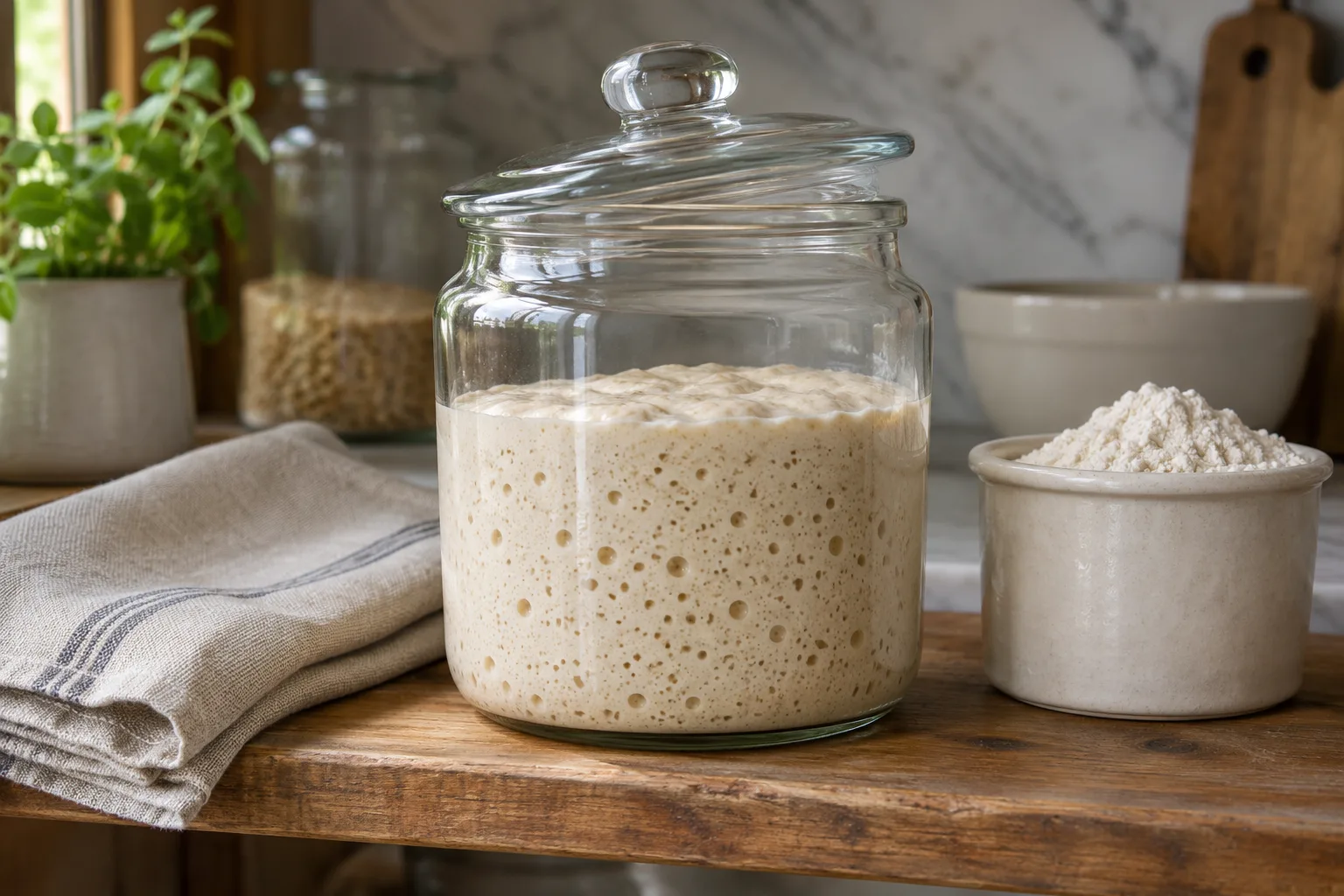
How to Store Sourdough Starter Properly
Store sourdough starter in the fridge with a fitted lid between bakes. Bubba Goodcrumb shares simple care steps for a lively starter.
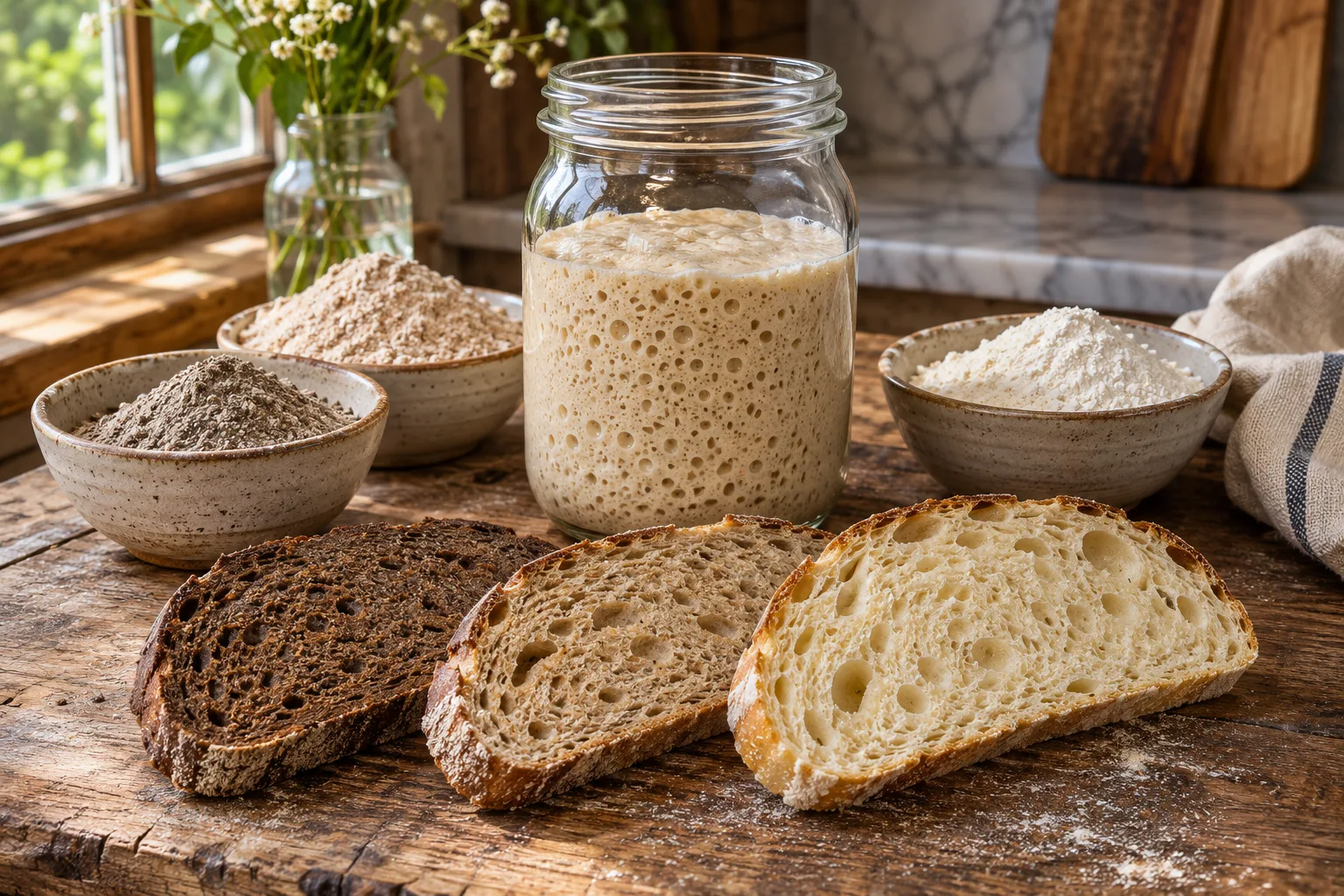
Sourdough Starter Strain Flavor Guide
Discover how wild yeast strains, flour type, and fermentation conditions shape sourdough flavor. Bubba Goodcrumb explains the science behind starter tang.
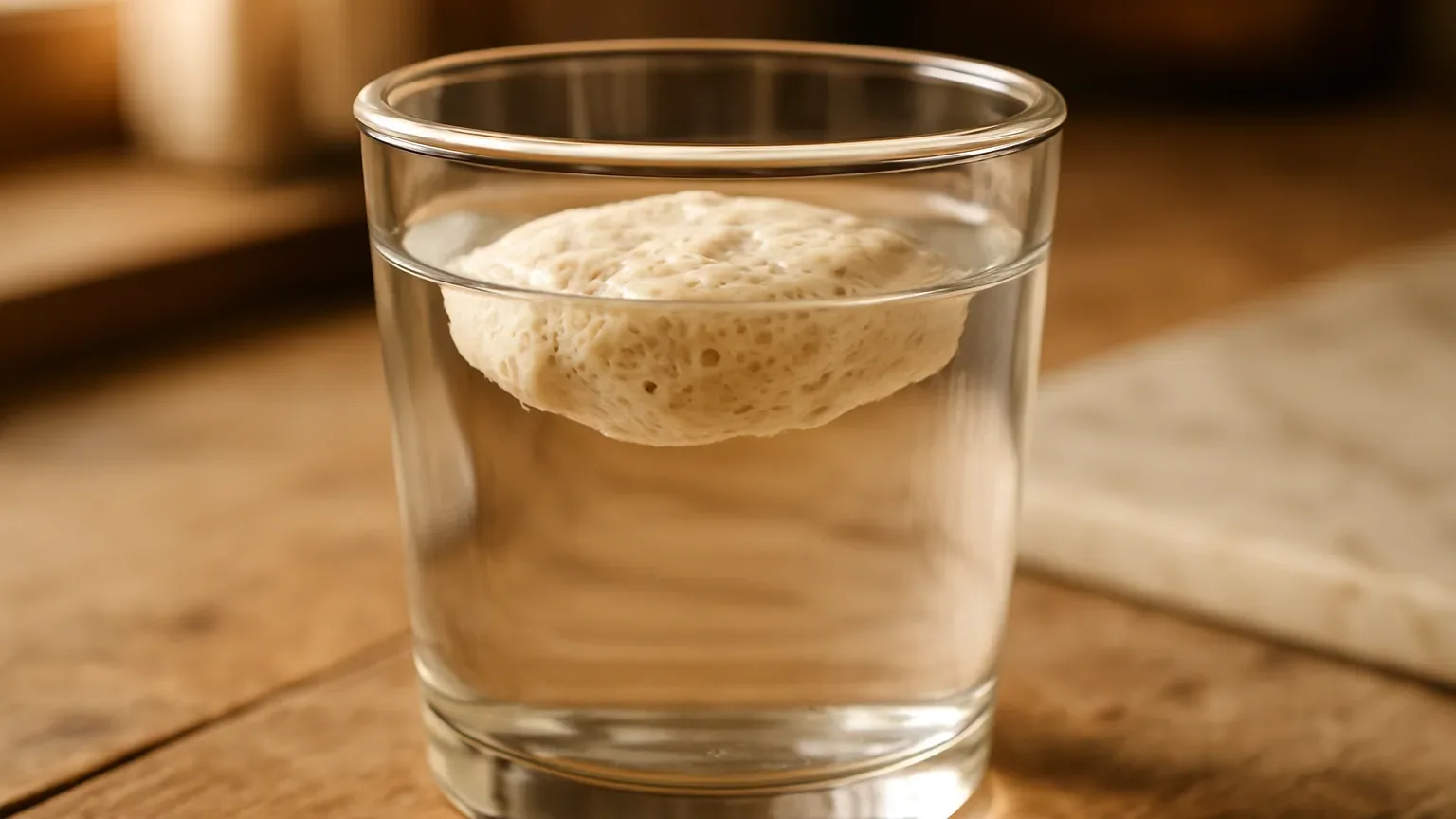
How to Use the Float Test Sourdough Method
Master the float test sourdough method to check starter strength and activity. Bubba Goodcrumb teaches you to read rise, bubbles, and float response.