How to Use the Float Test Sourdough Method
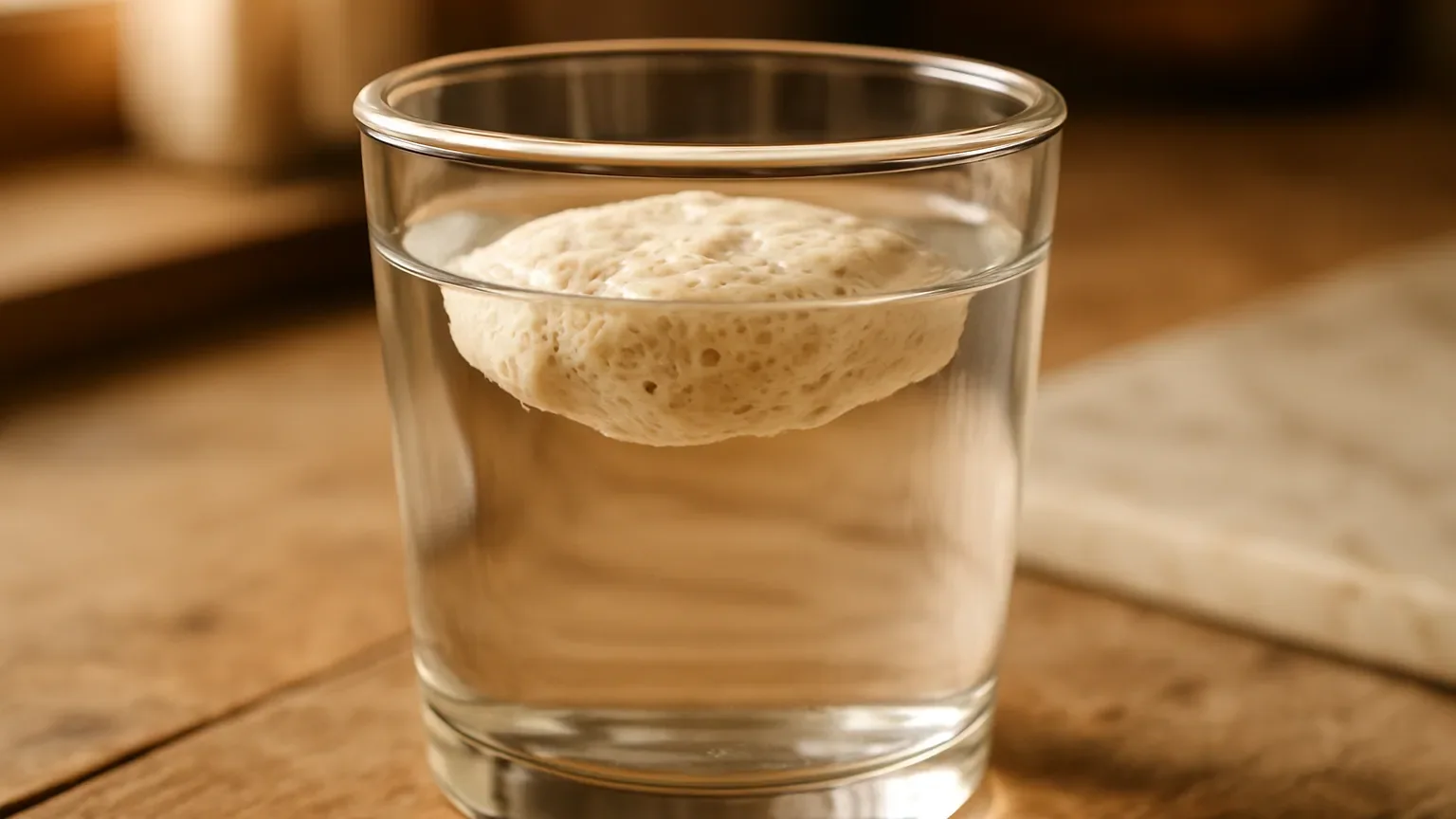
Starter strength testing relies on two simple checks: the float test sourdough method and the rise-and-fall observation. A healthy sourdough starter, like the Classic Bubba Starter, doubles in size within hours of feeding and shows dense bubbling throughout. Active starter cultures also develop a balanced mix of wild yeast and lactic acid bacteria during fermentation. Drop a small spoonful in water; a strong starter floats, signaling enough trapped carbon dioxide for reliable bread baking. This simple check helps determine whether sourdough starter is ready for sourdough bread.
Key Takeaways
The float test determines sourdough starter readiness by dropping starter into water to observe buoyancy. Active starter cultures are more likely to trap enough gas for the sample to float.
Healthy starters double in size and produce visible bubbles within hours after feeding. Their lactic acid bacteria contribute to the aroma and acidity that develop alongside the rise.
Peak baking strength occurs when starter reaches maximum rise before declining activity begins. Starter cultures often perform best near this peak.
Bubba Goodcrumb in Las Vegas, Nevada provides sourdough expertise and strengthening guidance for struggling starters. Its starter cultures support home bakers learning to make sourdough bread.
Testing Today's Starter with the Float Test Sourdough Method
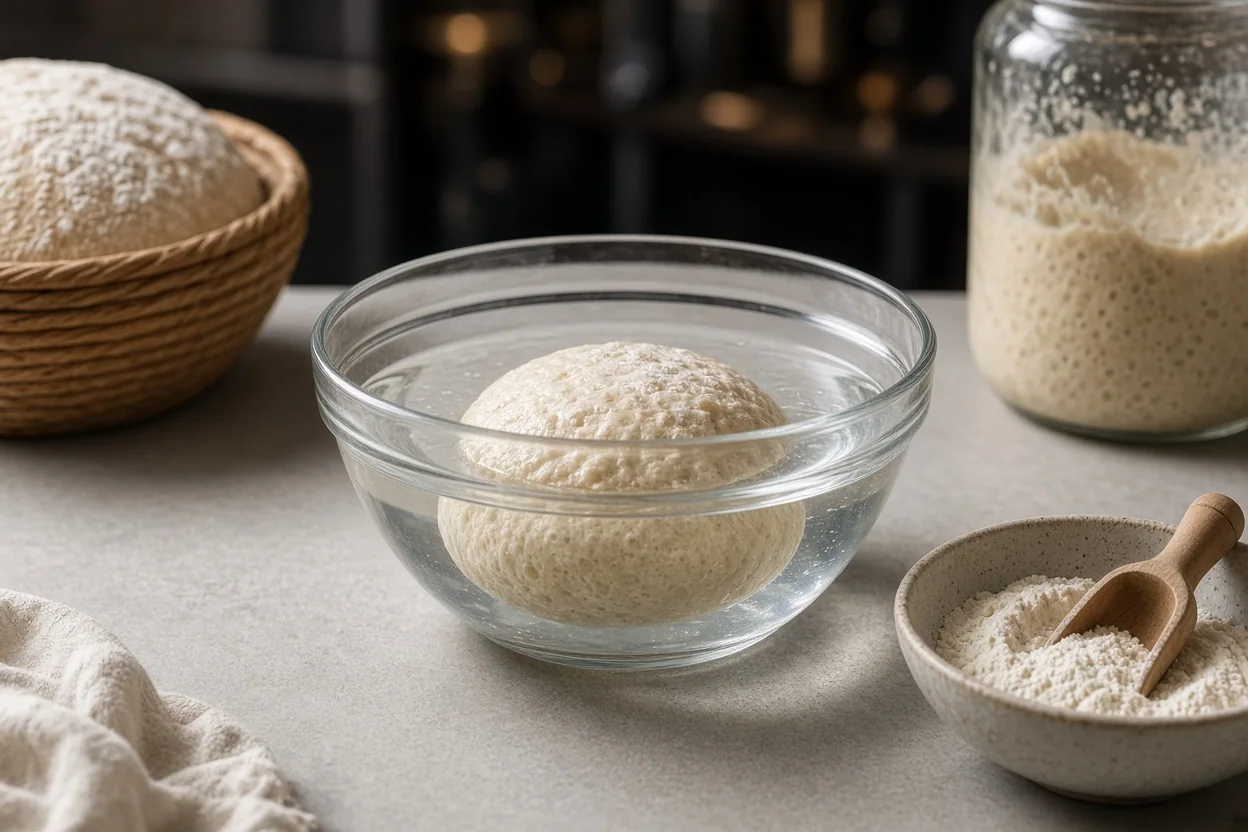
Bakers testing a sourdough starter today will learn to read three signals: rise, bubble structure, and float response. Bubba Goodcrumb's culture reaches peak activity within 24 hours of its last feeding, providing a reliable benchmark for judging readiness. Starter cultures can vary with feeding schedules and room temperature, so the jar's appearance still matters. Skipping this check risks a dense, apartment loaf after hours of proofing time already spent.
The float test sourdough method works alongside two other checks bakers can run before committing flour to a bowl. Starter cultures should show visible fermentation before a baker relies on the test:
Feed the starter and note the time.
Watch for doubling and a domed or bubbly surface, a starter activity test in its simplest form.
Spoon a small amount into a glass of room-temperature water.
Observe whether it floats, confirming trapped gas from healthy fermentation in the starter cultures.
Cross-check timing against the 24-hour activation window before mixing dough.
Beginner-Friendly Testing
Yes — Bubba Goodcrumb's starter suits first-time bakers and seasoned ones equally. Newcomers can run these checks without prior fermentation experience. Starter cultures become easier to understand when bakers observe the same signs after each feeding. A detailed care guide ships with every order, walking bakers step-by-step through confirming readiness before baking.
Responding to an Inactive Starter
A starter that refuses to bubble, double, or float signals trouble, not failure. That behavior means the starter cultures need attention. Lactic acid bacteria may still be present even when the rise looks slow, but the culture needs a fresh feeding, a warmer spot, or a few extra hours before it can reliably elevate bread. Catching this early saves flour, time, and the frustration of a loaf that never rises.
Tools for Testing
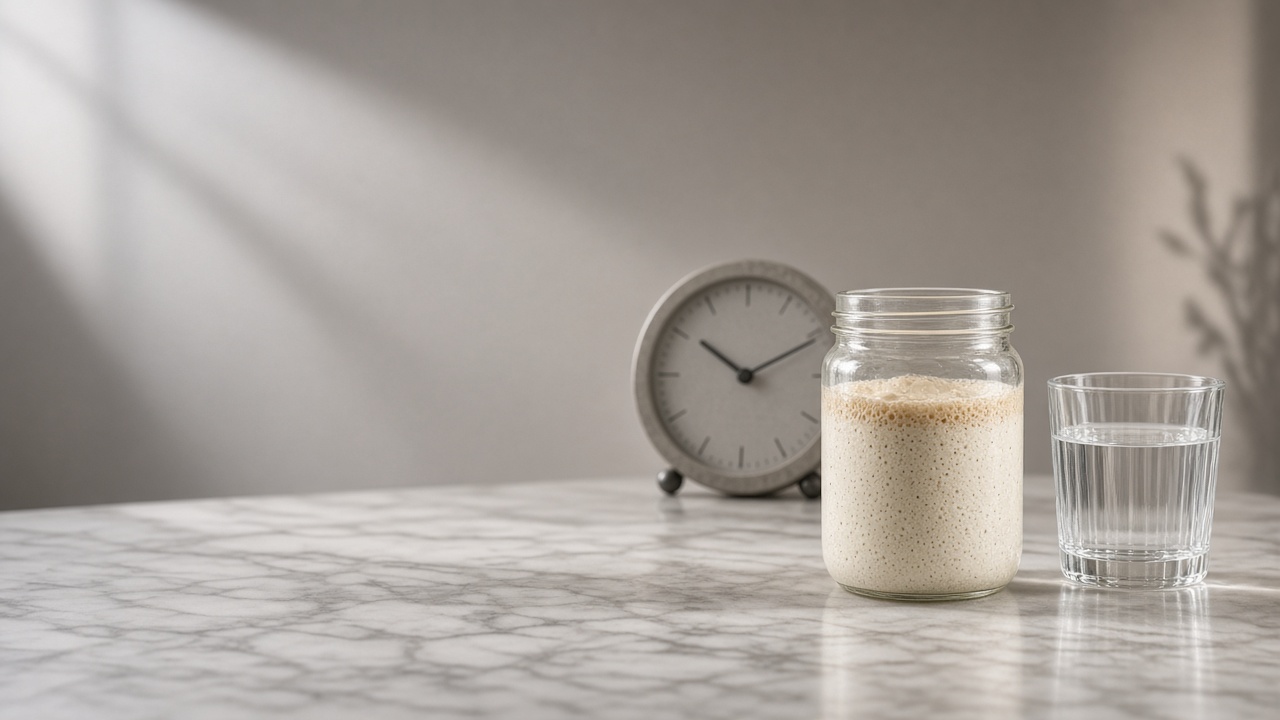
Three items handle nearly every readiness check a home baker needs: a clear glass or jar of water, a live sourdough starter, and a reliable clock. Home bakers who skip the float test for sourdough often waste flour on a loaf that never rises. Starter cultures respond to timing, temperature, and feeding, so a simple record can reveal useful patterns. A starter untested is a starter unproven. Gathering the right tools first turns guesswork into a repeatable habit.
A Bubba Goodcrumb starter arrives dehydrated and dormant. The wild yeast and bacteria a baker needs are preserved in dried form, so the culture is shelf-stable and survives shipping and heat with no refrigeration. Reactivate it at home over several days of feeding, following the included care guide, before running any activity check. Because Bubba Goodcrumb ships nationwide, bakers in any state start with a shelf-stable dried culture they bring back to life at home. These starter cultures need time to resume regular fermentation.
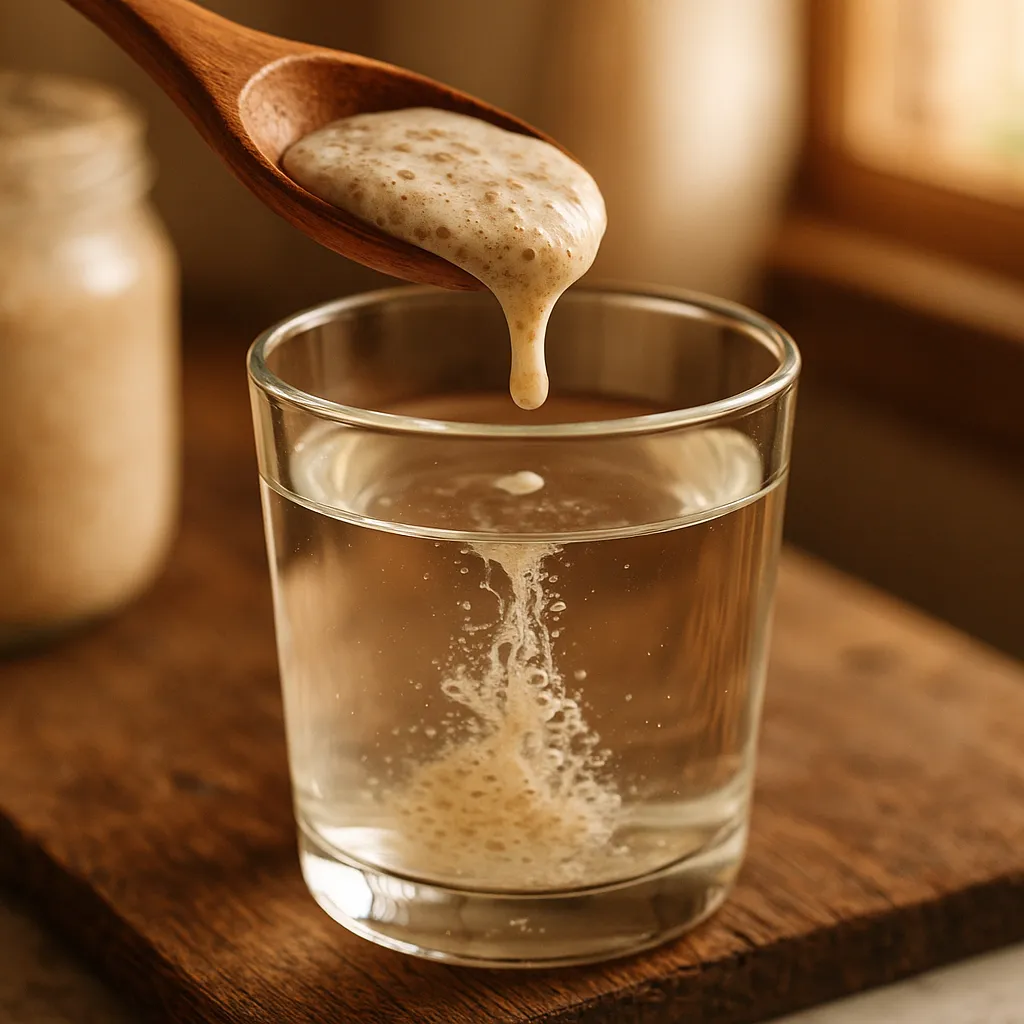
Basic testing kit:
A small glass filled with room-temperature water
A clean spoon for scooping a small sample of starter
A timer or phone clock to track rise between feedings
A permanent marker to trace the starter's level on the jar
Equipment for an Activity Test
No specialized gear is required. A starter activity test relies on household items already sitting in most kitchens. Starter cultures do not need laboratory equipment for this basic readiness check. The starter itself matters more than the tools, which is why Bubba Goodcrumb builds its culture to be beginner friendly.
Day-One Starter Testing
Yes, provided the starter is genuinely live and freshly fed. An active starter test simply checks whether bubbles, rise, and aroma show up on schedule after feeding, and live starter cultures make that response immediate rather than delayed.
Preparing Your Starter for Testing
Proper preparation begins with a timed feeding, not a guess. Bakers who skip this step often misjudge whether the culture is ready, mistaking a sluggish rise for a failed batch of flour instead of a sourdough starter that simply needs more time. The float test sourdough method only delivers useful results when the starter has reached true peak activity beforehand. Starter cultures need enough fresh flour and water to build gas before testing.
Bubba Goodcrumb's flagship culture sets a helpful baseline here: a mild, versatile starter with a gentle tang that should show consistent bubbling and rise once active. Lactic acid develops during fermentation and helps shape the culture's familiar tang. Reaching that active state matters more than the clock, though the clock offers a good starting guide.
Timing the Starter Test
The flagship culture reaches its activation point 24 hours after feeding, which marks the moment it's primed for a starter activity test. That 24-hour window gives home bakers a predictable, repeatable prep schedule instead of a guessing game. Starter cultures fed on a different schedule may need slightly more or less time. Watching the jar matters as much as watching the clock.
To prepare a starter properly, follow these steps in order:
Pull the starter from the fridge, if stored cold, several hours before the planned feeding.
Discard a portion of the old starter to reduce acidity and make room for fresh food.
Feed with fresh flour and water at a consistent ratio so the starter cultures have new food.
Place the jar somewhere warm and draft-free.
Wait roughly 24 hours, checking for doubling, bubbling, and a domed surface.
Proceed to an active starter test only once these signs appear.
Starters left unfed too long in the fridge, or missing regular counter feedings, test weaker than they should. Neglect doesn't ruin a culture permanently, but it does delay readiness and produce misleading test results until proper feeding rhythm returns. Starter cultures regain consistency through regular care.
Performing the Float Test
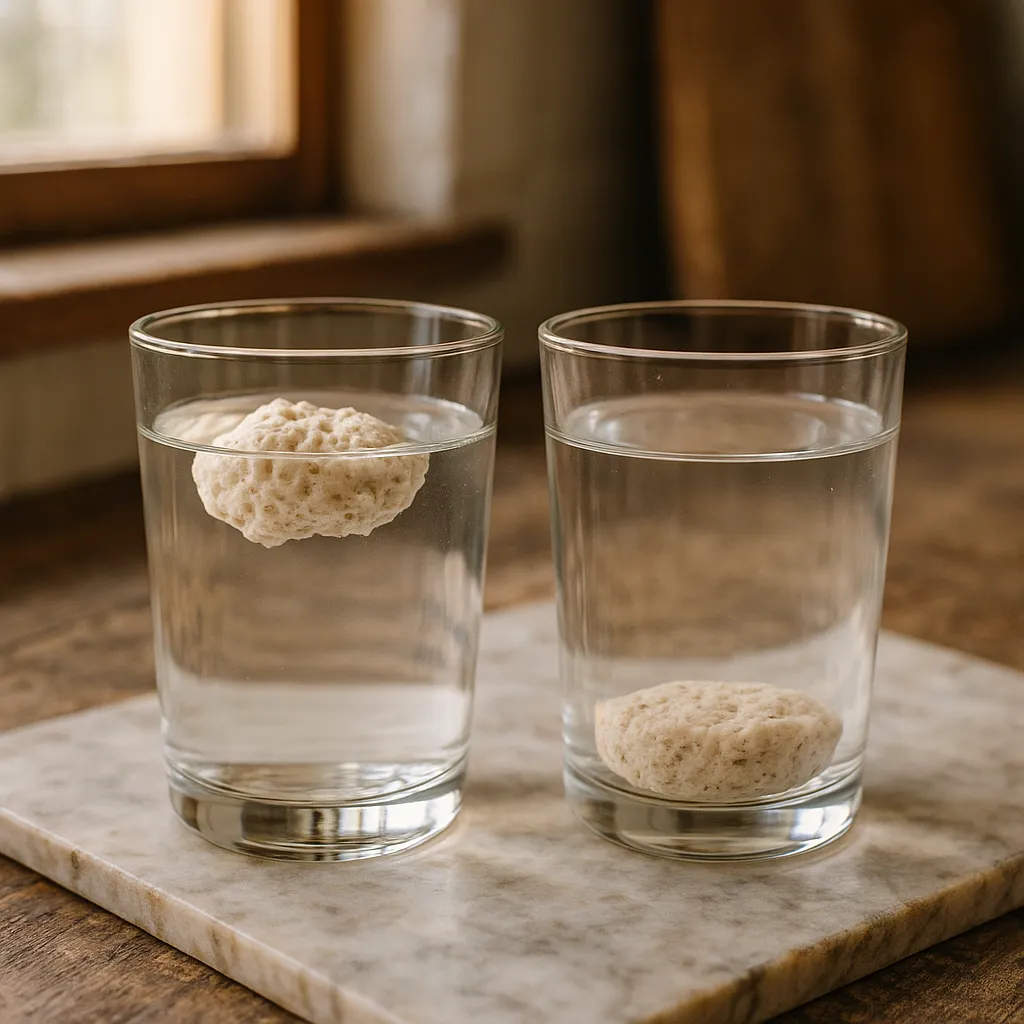
Running the float test for sourdough starts with a spoonful of active sourdough starter and a glass of room-temperature water. Skipping this simple check before mixing dough risks an apartment, dense loaf and a wasted afternoon of flour and effort. The test works because rising starter traps carbon dioxide bubbles inside its web of flour. Starter cultures create those bubbles as fermentation proceeds. Water lightens the mixture until it becomes buoyant enough to float. That single physical reaction is the whole science behind the method.
Bakers have relied on this trick for generations, and for good reason. It offers a fast, low-stakes way to judge readiness before committing to a full bake. A healthy balance of wild yeast and lactic acid bacteria supports the gas that makes the sample buoyant. Here's how to run it properly:
Feed the starter and let it sit at room temperature until it looks active and domed on top.
Fill a small glass or bowl with room-temperature water.
Scoop out about a teaspoon of starter using a clean spoon.
Drop the spoonful gently onto the surface of the water, no stirring, no pushing it under.
Watch closely for 10 to 15 seconds.
Note whether the starter floats, partially floats, or sinks.
A starter that floats and holds near the surface signals strong gas production and readiness to leaven sourdough bread. One that sinks immediately hasn't built enough carbon dioxide yet, much the way underdeveloped yeast dough sinks like a stone the moment it hits water. That sinking behavior isn't failure, it's simply a sign the starter cultures need more time or a fresh feeding.
Interpreting a Half-Sunk Starter
Partial sinking often means the starter sits somewhere between peak activity and its early rise. Waiting another hour or two before retesting usually resolves this, especially in a warm kitchen. Treat this as useful feedback rather than a red flag. Starter cultures can change quickly as they approach their peak.
Pairing this starter readiness check with a detailed care guide, like the one included with every Bubba Goodcrumb culture, builds a repeatable habit rather than a guessing game. Consistency, not luck, turns a wobbly starter into a reliable one loaf after loaf. Over time, this starter activity test becomes second nature, a quick glance-and-drop ritual before every bake day. The website offers another place to revisit care guidance, while a browser makes that information easy to consult beside the jar.
FAQ
What is the float test for sourdough starter?
The float test involves dropping a small spoonful of sourdough starter into room-temperature water. A strong, active starter floats, signaling enough trapped carbon dioxide from healthy fermentation to reliably elevate sourdough bread. Starter cultures may behave differently when the sample comes from an early or late stage of feeding.
What tools does a baker need before testing starter activity?
Testing requires only a clear glass of room-temperature water, a live starter, a clean spoon, and a timer or clock. A permanent marker helps trace the starter's rise on the jar between feedings. Starter cultures need no special testing device.
What does it mean if a starter doesn't float, bubble, or double?
That behavior signals the culture needs attention, not failure. A fresh feeding, a warmer spot, or a few extra hours helps the starter regain strength before it reliably lifts sourdough bread. Starter cultures often respond once a steady feeding rhythm returns. For more guidance, visit the Bubba Goodcrumb website and review the care information before testing again.
About Bubba Goodcrumb
Sharing practical sourdough guidance from the Bubba Goodcrumb kitchen in Las Vegas.
More from Bubba
Related reading
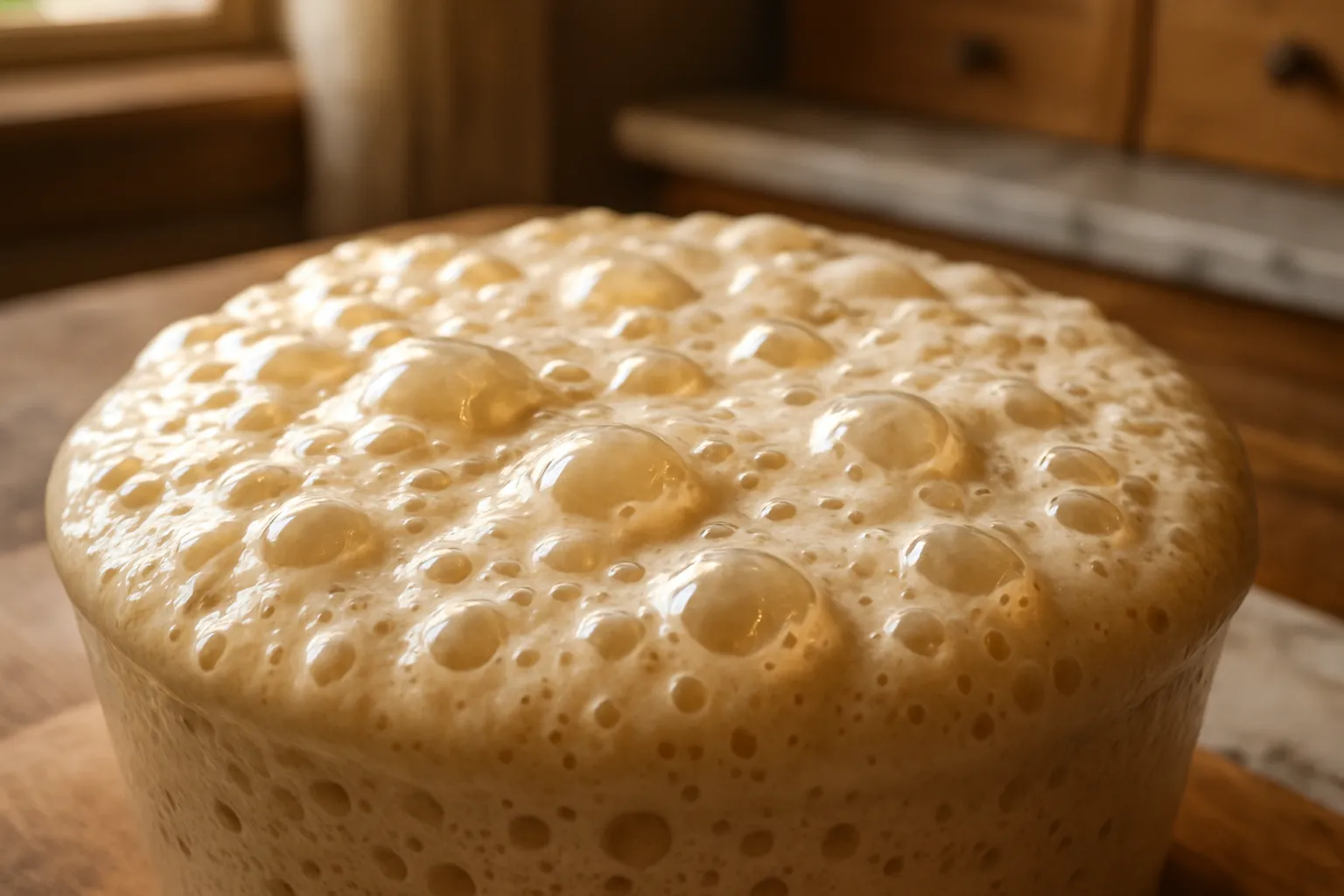
The Sourdough Microbes: Yeast and Bacteria Explained
Discover how wild yeast and lactic acid bacteria work together in sourdough starters. Bubba Goodcrumb explains the science behind rise and tang.
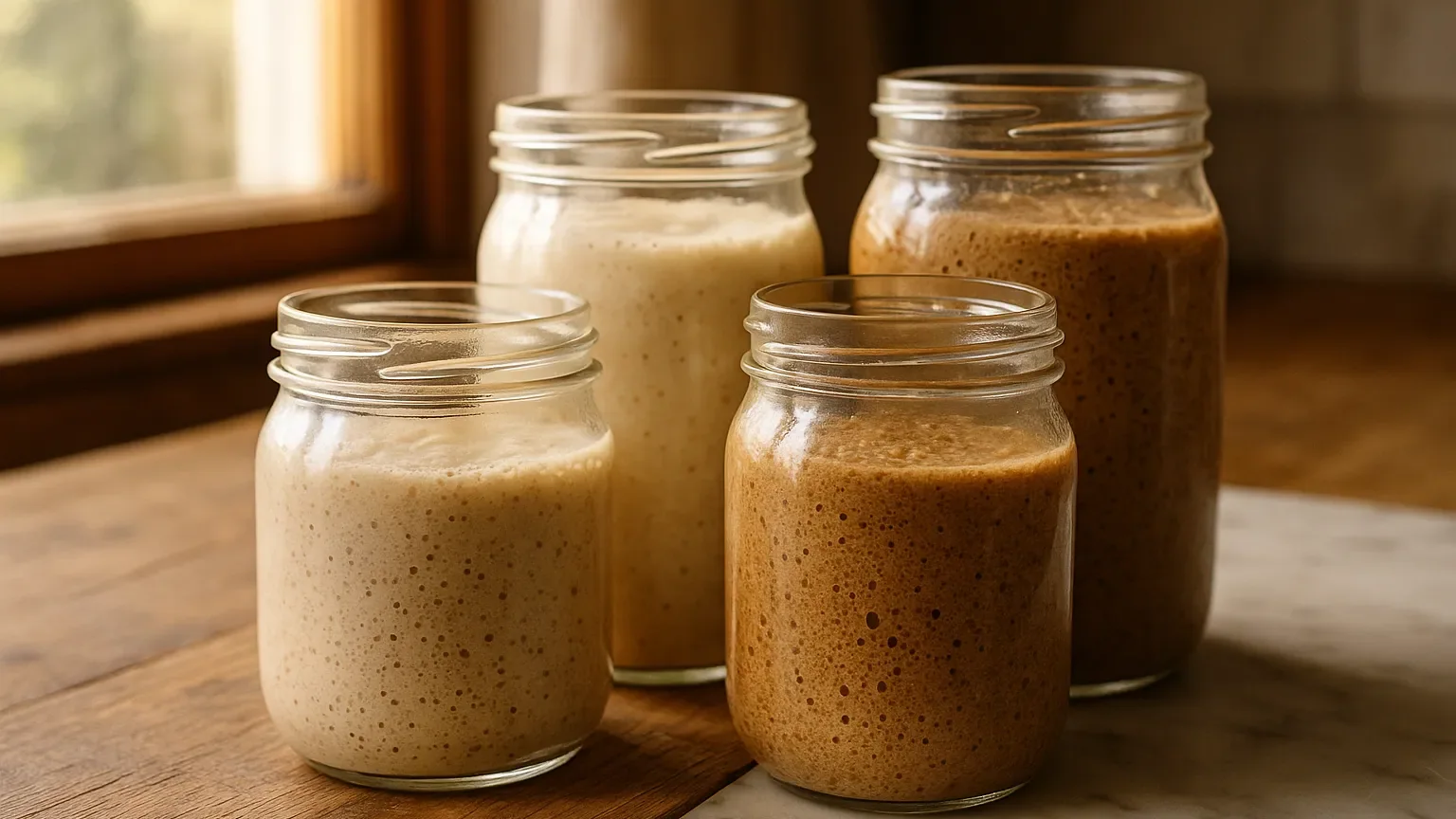
Wild Yeast Starter Types Explained
Discover how wild yeast sourdough starters vary by region and microbes. Bubba Goodcrumb explains starter types, flavor profiles, and care for home bakers.
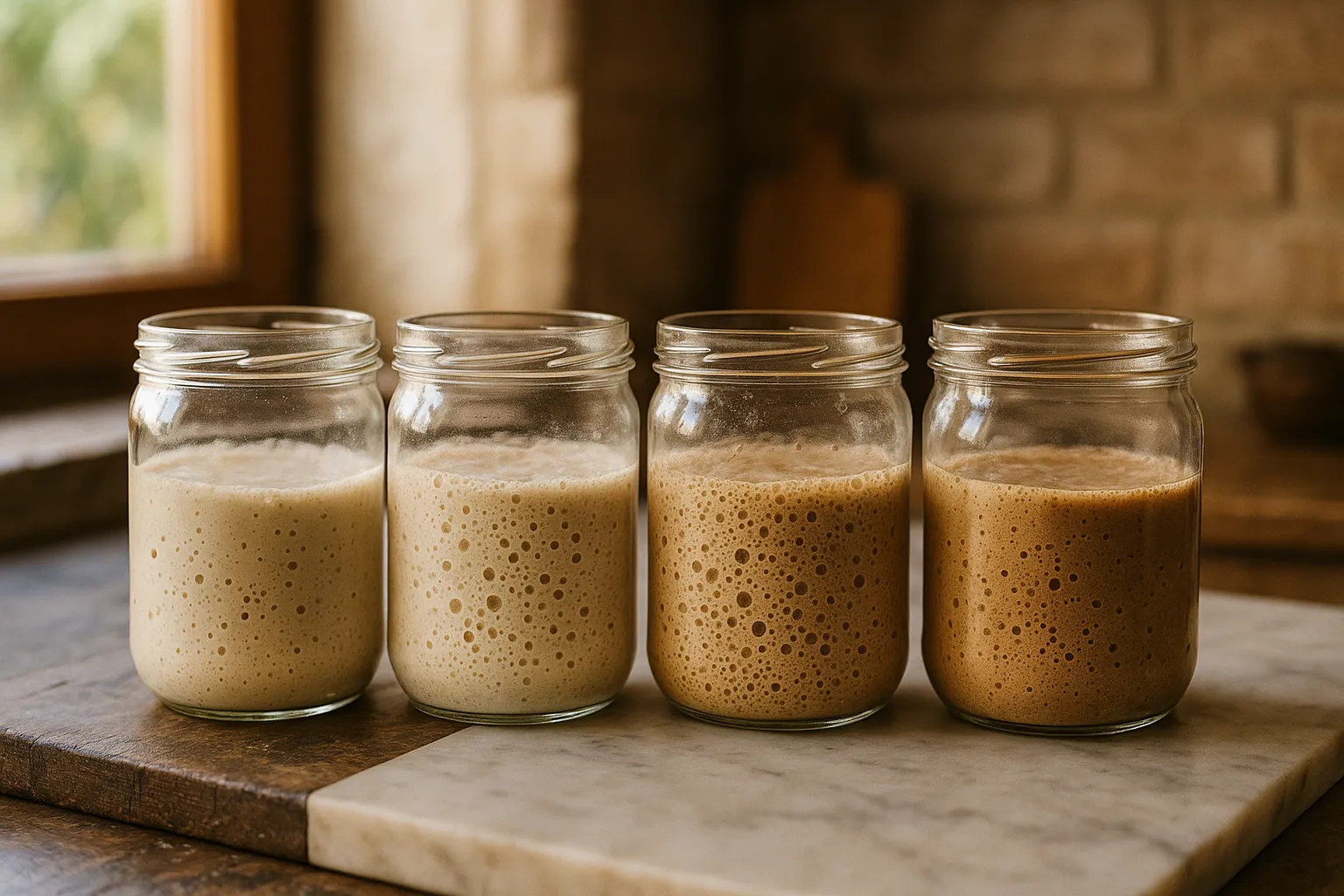
Compare Sourdough Starters: Bubba Goodcrumb vs King Arthur and Cultures for Health
Compare Bubba Goodcrumb, King Arthur, and Cultures for Health sourdough starters by format, activation time, shipping, price, and support.